

Politics
Major Reasons Rabiu Kwankwaso Is Enjoying Surging Popularity In The North
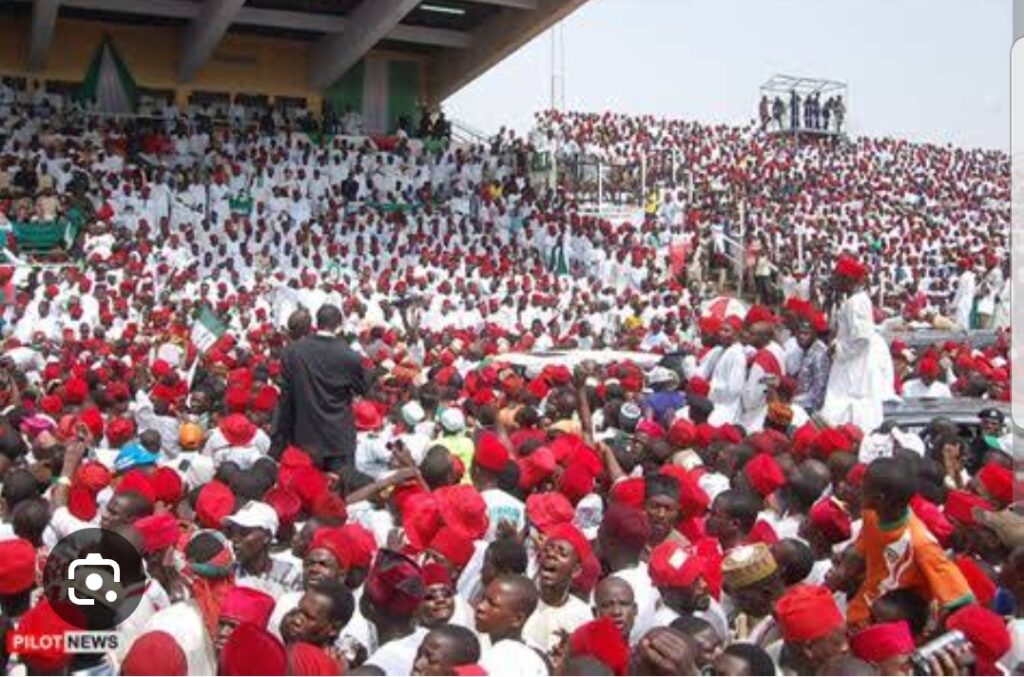
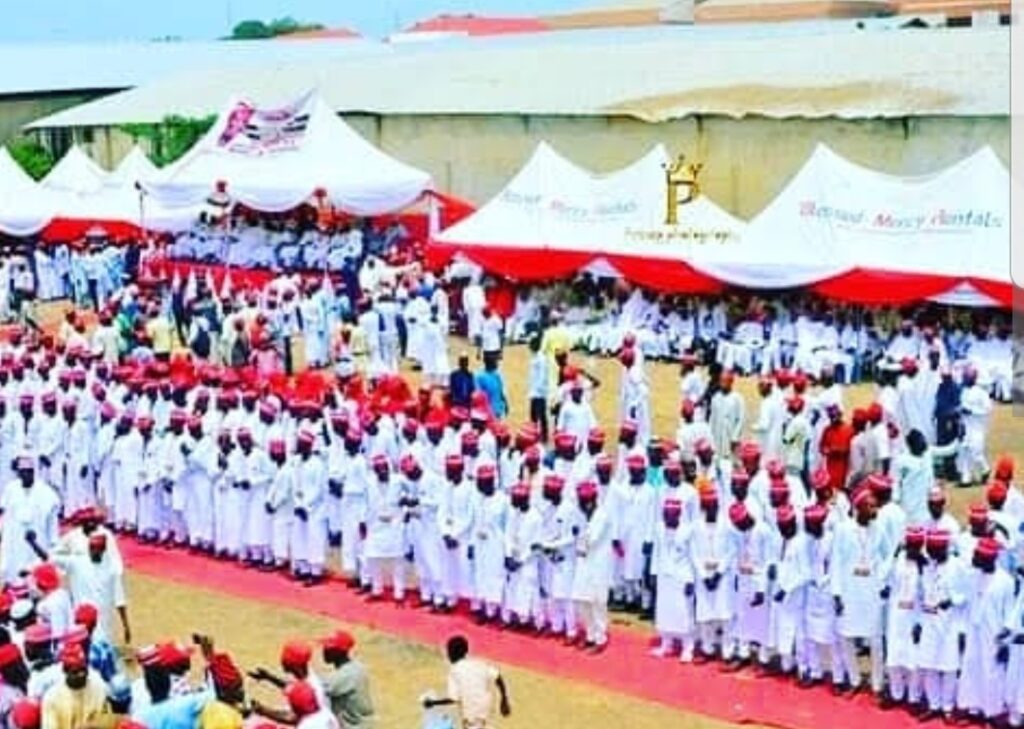
leader of the Kwankwasiyya Movement—often called the “Red Cap Revolution”

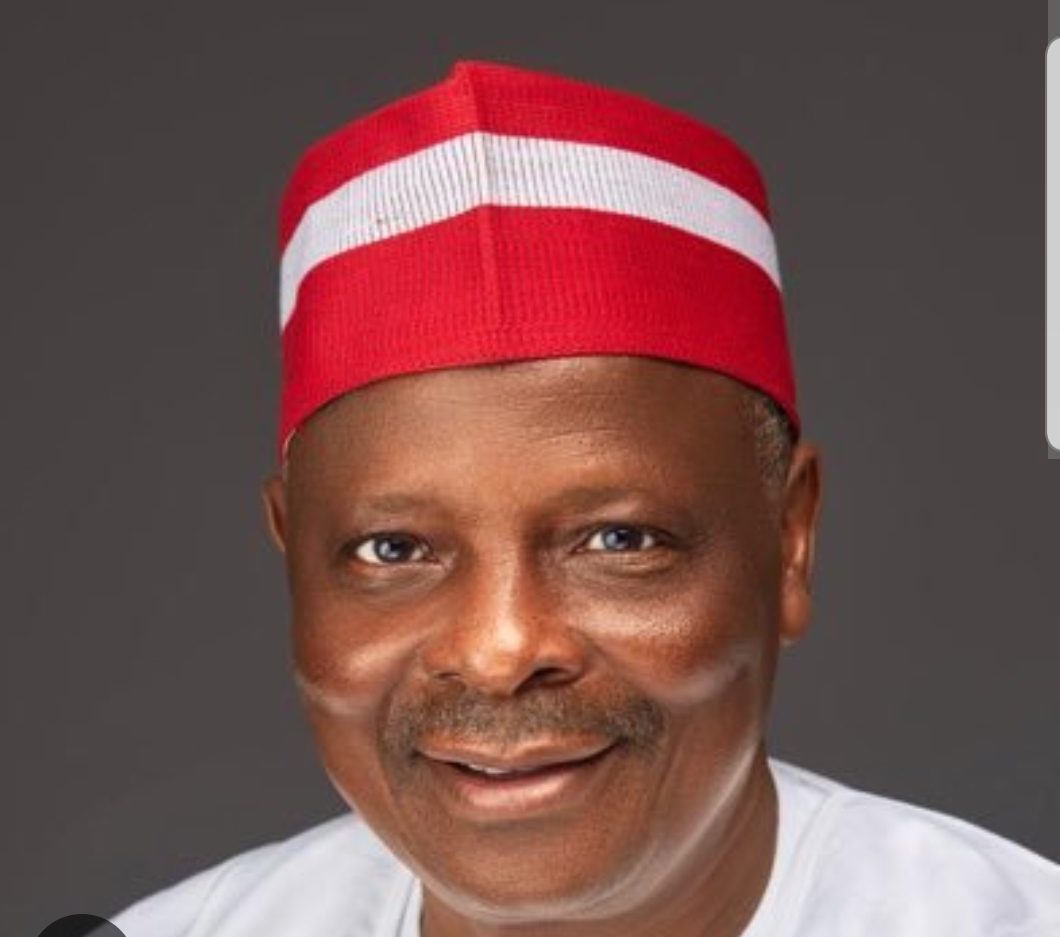
Rabiu Kwankwaso, leader of the Kwankwasiyya Movement—often called the “Red Cap Revolution,” inspired by the French campaign that ended privileges for the upper classes—is not just popular with grassroots supporters in northern Nigeria; he is enjoying surging popularity across the region.
The core reasons for this are clear: the 68-year-old speaks a language that resonates with the grassroots, particularly young people and the working class, in both words and actions.
His Kwankwasiyya Movement started as the Kwankwasiyya Development Foundation (KDF), which is credited with wide-reaching social interventions.
KDF supports young people not only in getting educated but also in furthering their education through continued financial assistance. The foundation also provides overseas scholarships and assists people in finding jobs. Additionally, it helps detainees across correctional facilities to secure freedom—by covering fines and bail bonds—and aids in their rehabilitation.
Kwankwaso established the KDF—which has evolved into the Kwankwasiyya political movement—following his terms as Governor of Kano State from 1999 to 2003 and again from 2011 to 2015.
He is credited with establishing the Kano University of Science and Technology, along with 26 academic and manpower training institutes and 230 secondary schools, including 47 technical schools, 44 schools of Islamic studies, a Chinese college, a French college, and the state’s first girls’ boarding college and an all-boys’ boarding college. He set up the last two in collaboration with the government of Niger Republic.
He also declared free education at all levels in the state, along with school feeding and free uniforms.
Kwankwaso’s commitment to education and social programs has forged a reputation for compassionate and effective governance.
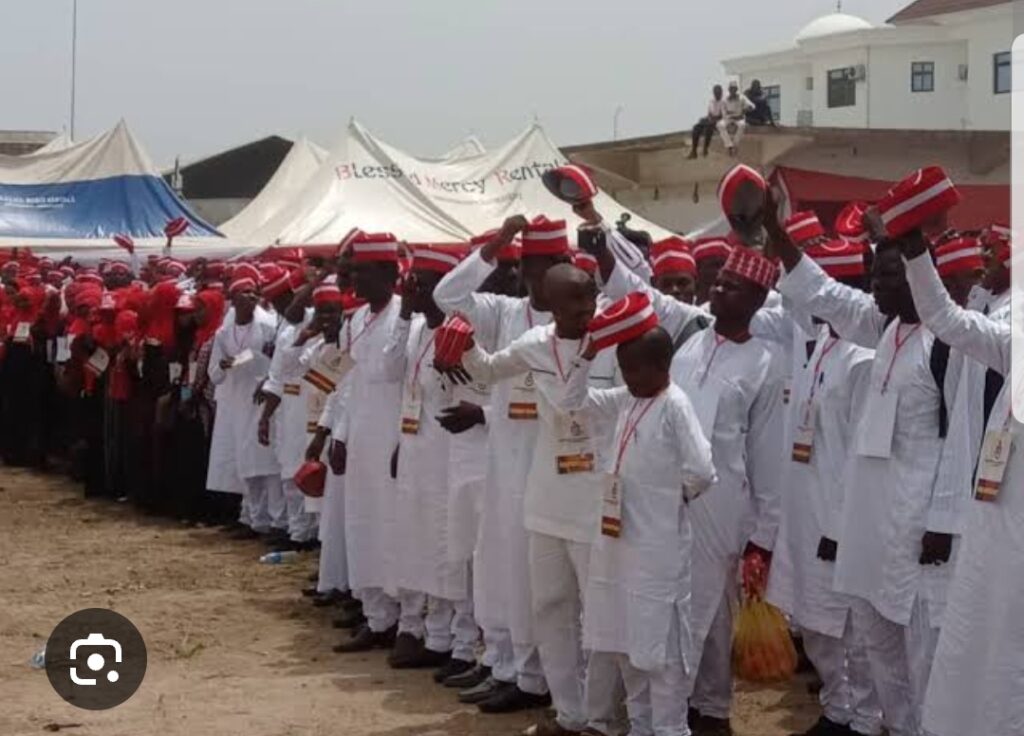
His provision of scholarships to thousands of Kano youths and residents to study both in Nigeria and abroad, and his support in helping them secure employment or start businesses, and empowerments in other spheres of life has endeared him to hundreds of families and young people.
Those in the know add that his adoption of a humble and approachable lifestyle is another factor working heavily in his favor.
As a former governor, senator, minister of defense, and leader of the Red Cap Movement, Kwankwaso remains open and accessible to ordinary people.
“His unending direct engagement with the grassroots is one of the main things helping him foster a loyal following. They see him as one of them—he listens to them and helps solve their problems, or at least tries to,” observed one political watcher.
Furthermore, despite holding substantial positions at both the state and national levels, he has never been charged with corruption, reinforcing his credibility as a humble man dedicated to helping others and improving life for ordinary people.
“He is ‘Mr. Integrity.’ Many see Kwankwaso as a straightforward and honest politician who genuinely cares for his constituents, and you can’t fault that perception because there are no contrary details at play,” insiders insist.
Kwankwaso’s good deeds and reputation have combined to build a substantial youth following, particularly within the Kwankwasiyya Movement, which many young people in the North—and even in other regions—find appealing.
“That’s why he was seen as the ideal partner for the youth-backed Peter Obi during the 2023 presidential election, though things didn’t work out between them,” a source noted.
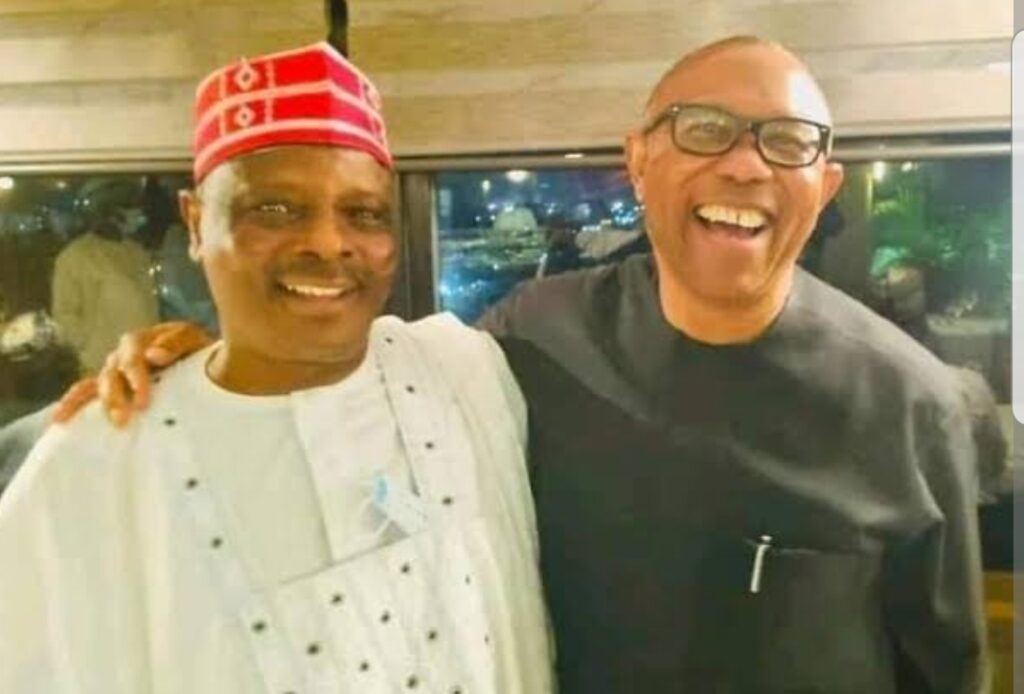
Kwankwaso contested the election as the candidate for the New Nigeria People’s Party (NNPP), the party he founded, while Obi ran on the Labour Party (LP) ticket. Both lost to incumbent President Bola Tinubu of the All Progressives Congress (APC).
Kwankwaso’s popularity is also bolstered by his outspokenness on national issues. His willingness to voice his opinions on key issues has positioned him as a prominent voice for Northern Nigeria in influencing public opinion.
With political roots in the People’s Front of Nigeria (PFN, 1989) and the Social Democratic Party (SDP, 1989-1993), this former APC member and ex-chieftain of the PDP has continued to pursue the presidency of Nigeria since 2019, a quest that has only enhanced his visibility in the eyes of the public.
The founder of the NNPP was a member of the APC from 2014 to 2018 and of the PDP from 1998 to 2014 and again from 2018 to 2022.