

Business
Abdul Samad Rabiu Is One Of Two Launchers Of Africa House Paris, Opening New Doors Of Prosperity for Africa
designed to deepen cultural, economic, and innovation ties between Africa and France


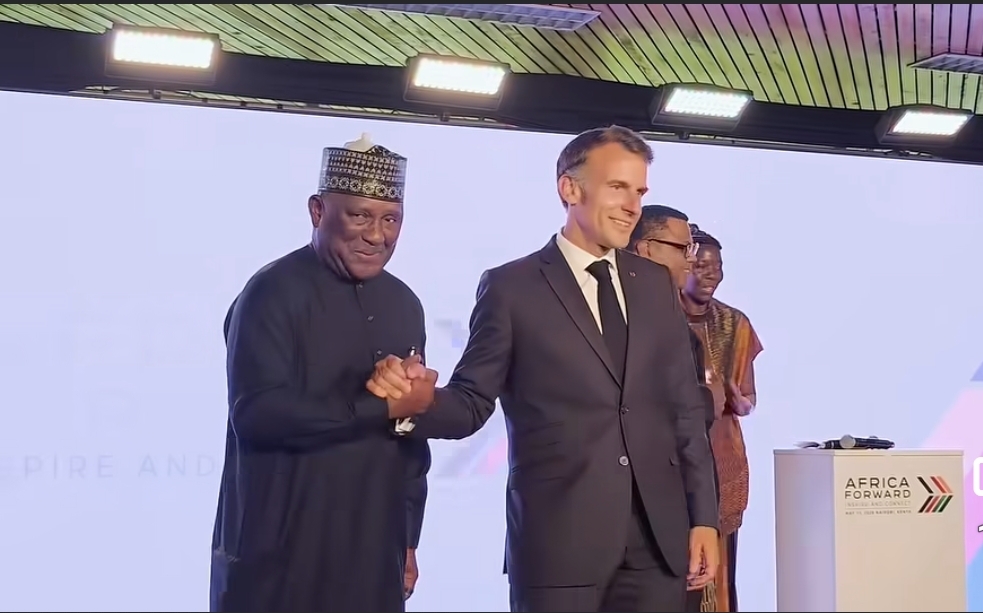
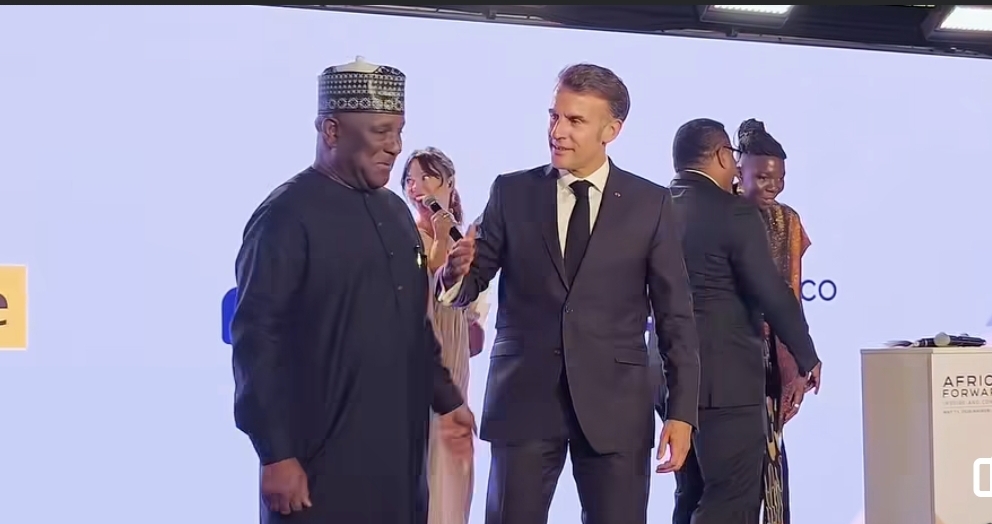
Nigerian billionaire industrialist and BUA Group Chairman, Abdul Samad Rabiu, has taken another step onto the global stage as one of only two launchers of the Africa House Paris initiative, unveiled in Nairobi in the presence of French President Emmanuel Macron—an engagement designed to deepen cultural, economic, and innovation ties between Africa and France.
The leading investor , who described the initiative as “a space that will strengthen connections between Africa and France through culture, dialogue, business, and innovation,” said Africa House Paris would serve as a permanent platform for collaboration.
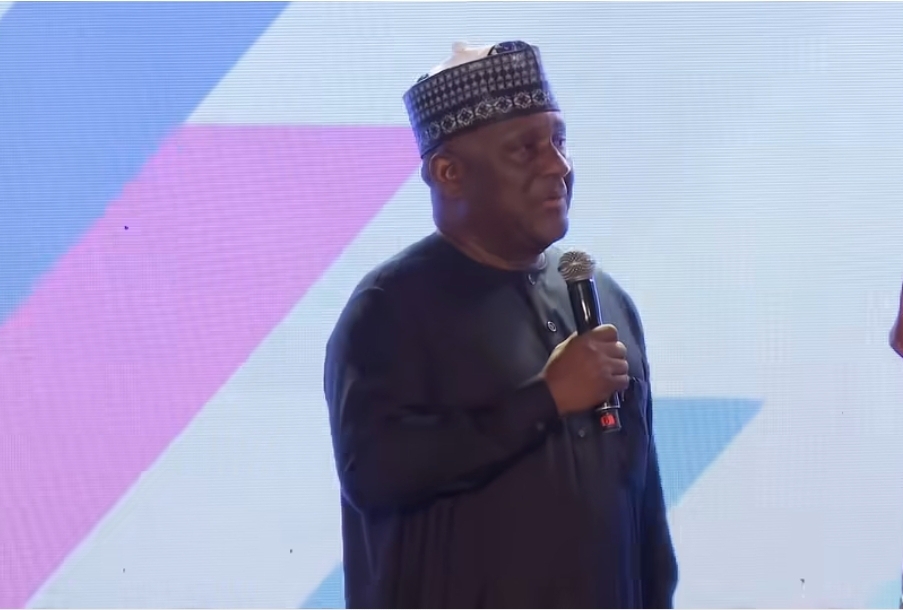
“Africa House, Paris, will serve as a platform for Africans and global partners to meet, collaborate, and build meaningful cross-cultural and economic partnerships,” he said, adding that he was “proud to be part of this journey and committed to seeing the vision through to completion.”
The initiative, backed at the highest levels of French leadership, is being positioned as a strategic hub for reimagining Africa-Europe engagement beyond traditional diplomacy—placing emphasis on private sector partnerships, innovation ecosystems, and cultural exchange.
The BUA Group Chairman’s selection as one of only two launchers further reinforces his growing influence beyond industry into continental diplomacy and economic soft power.
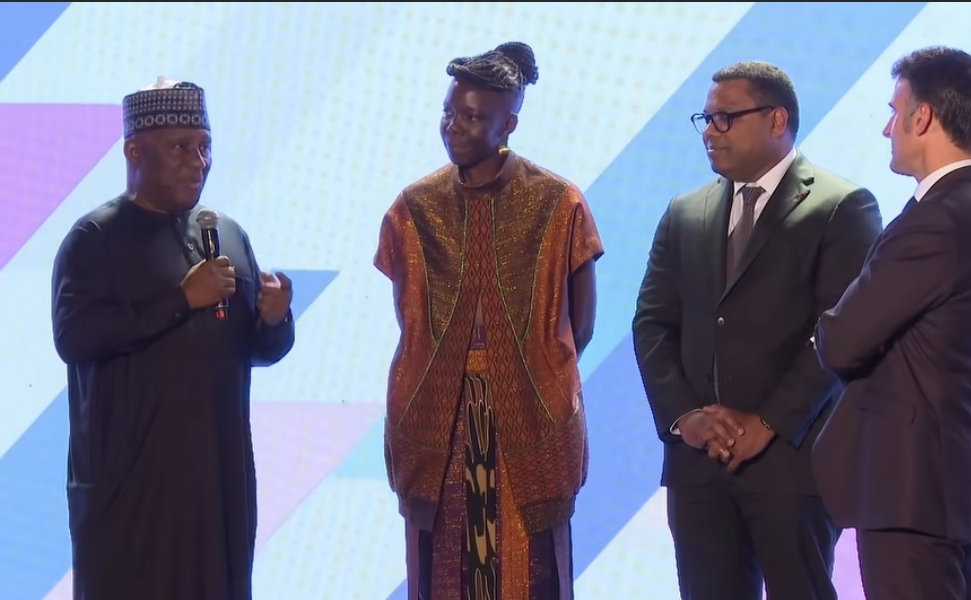
It also comes at a time when his global business profile is at a historic high.
According to Forbes’ real-time billionaire rankings as of April 30, 2026, the King of commerce’s net worth stands at $15.8 billion, making him Africa’s second-richest man behind Aliko Dangote and ahead of South African luxury goods magnate Johann Rupert and family, valued at $15.1 billion.
His wealth surge has been driven largely by strong market performance in BUA Cement and BUA Foods, two of Nigeria’s most valuable industrial and consumer goods companies, where his dominant ownership stakes continue to attract investor confidence.
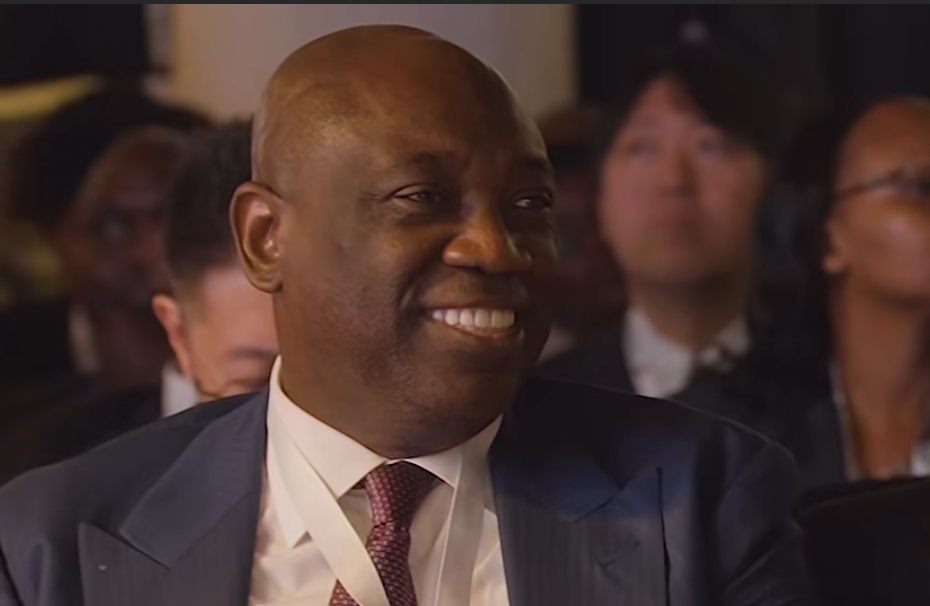
Born into the influential Kano business family of Khalifah Isyaku Rabiu, he founded BUA International in 1988 before transforming it into BUA Group, a diversified conglomerate with interests in cement, sugar, flour, foods, ports, infrastructure, and real estate.
Over the years, BUA Cement has emerged as a major competitor in Nigeria’s construction materials sector, while BUA Foods has strengthened its position in the country’s food security and consumer staples value chain.
Forbes’ methodology, which tracks wealth using share performance, ownership stakes, private valuations, currency movements, and liabilities, underscores the volatility and scale of Abdul Samad Rabiu’s rise—anchored firmly in industrial production rather than extractive commodities.
Beyond corporate expansion, the business leader has also expanded his influence through philanthropy via ASR Africa, launched in 2021 with a $100 million annual commitment to health, education, and social development across the continent.
Through the initiative, hospitals, universities, and institutional infrastructure projects have been funded in several African countries, reinforcing his reputation as both a financier of development and a driver of long-term social impact.
His involvement in Africa House Paris now extends that dual identity—industrialist and philanthropic investor—into a broader geopolitical and economic framework linking Africa to global capital and innovation networks.
Analysts say the significance of the initiative lies not only in its symbolism but also in its timing, as Africa seeks to reposition itself as a co-creator of global economic value rather than a passive recipient of foreign investment.
Industry watchers say for the major employer of labour , whose ascent to Africa’s second-richest man marks a major milestone for Nigerian manufacturing, the Africa House Paris launch signals a continuation of a trajectory defined by scale, strategy, and expanding global relevance.
As Africa House Paris begins to take shape, the BUA Chairman’s role underscores a broader shift: the emergence of African industrial leaders not just as wealth creators, but as architects of the continent’s global economic engagement.