

Business
Tinubu’s Trade Vision Takes Shape As Customs Chief Pushes AfCFTA-Led Economic Expansion
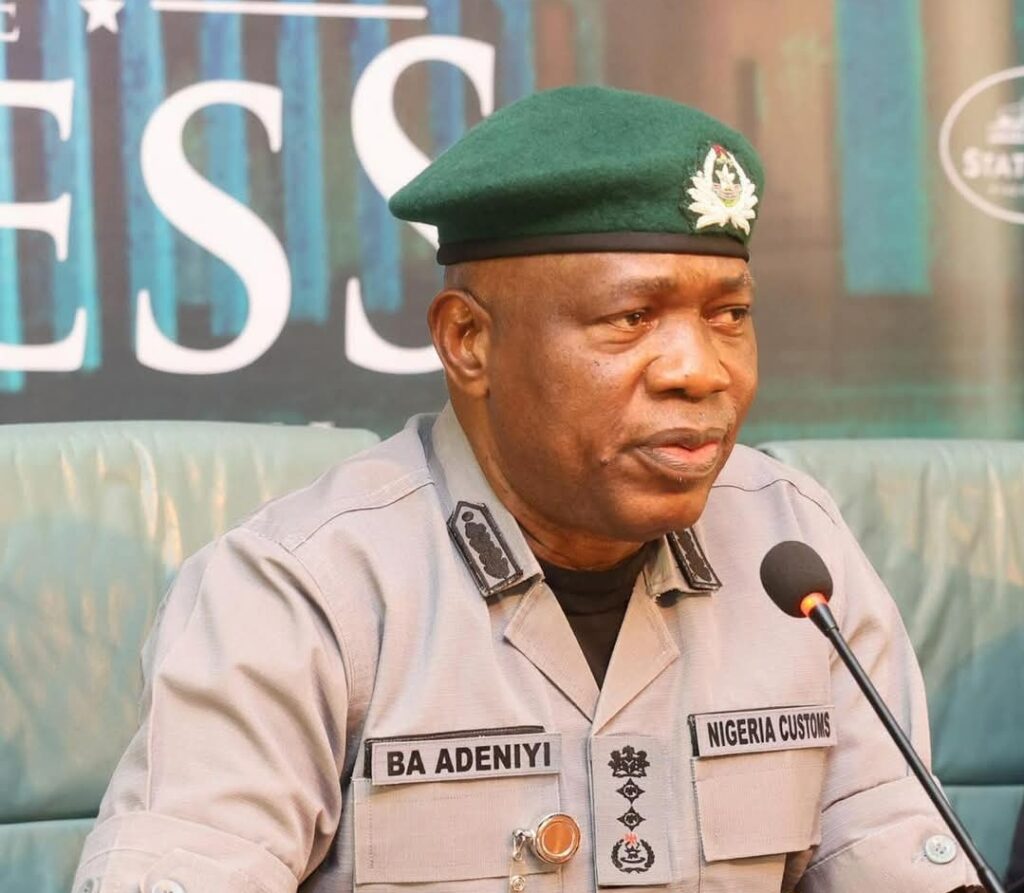
Adewale Adeniyi, outlined new priorities

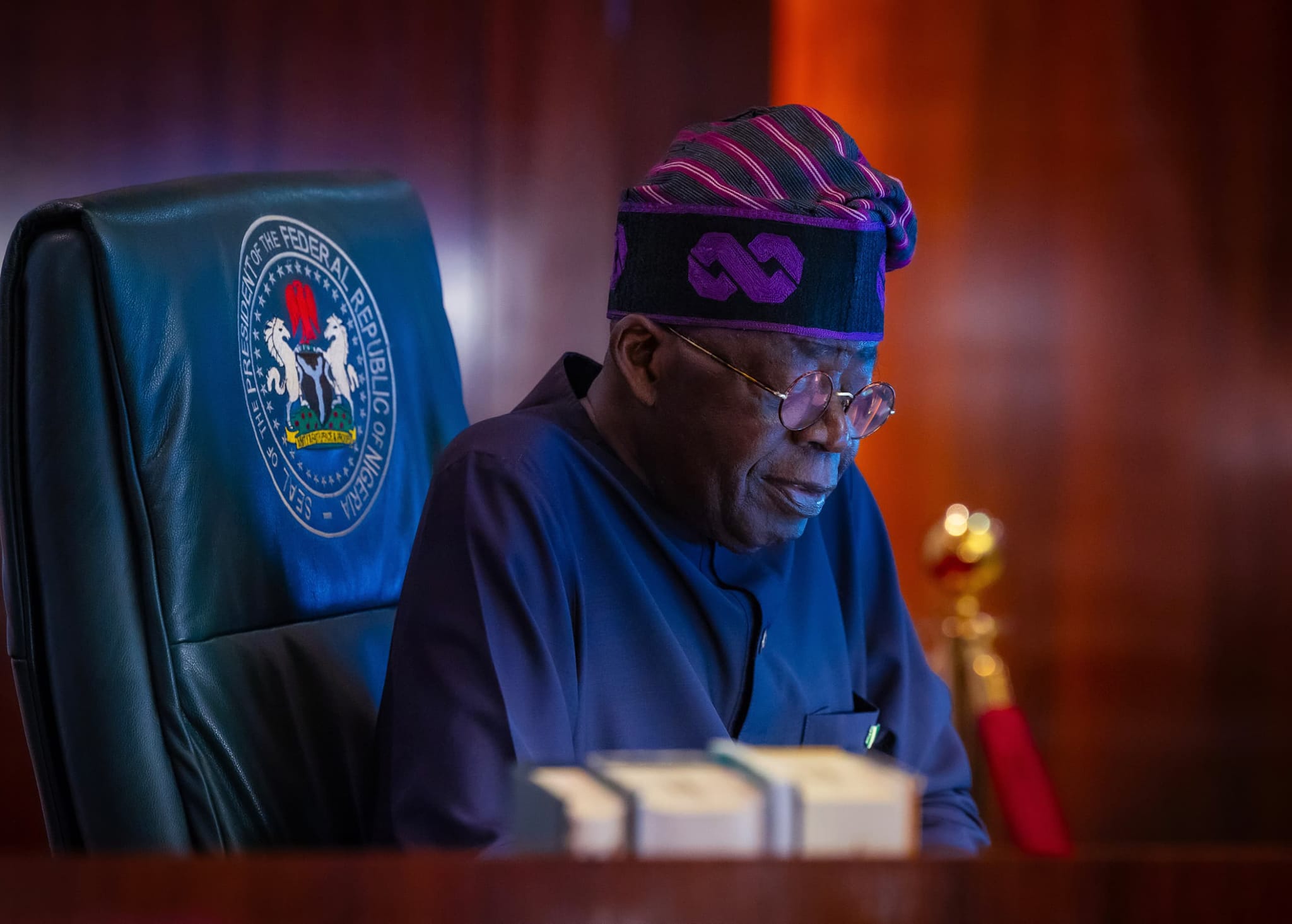
Nigeria’s drive to reposition trade as a central engine of economic expansion received fresh momentum on Friday as the Comptroller-General of Customs, Bashir Adewale Adeniyi, outlined new priorities tied to President Bola Ahmed Tinubu’s recently extended mandate for the Nigeria Customs Service.
Speaking in Abuja, Adeniyi said the President’s approval of a renewed tenure came with clearly defined performance targets aimed at deepening trade facilitation, accelerating port decongestion, and modernising the country’s cross-border systems.
According to him, the administration is pushing a deliberate and more assertive shift toward using trade as a tool for economic growth and poverty reduction, with an emphasis on integrating Nigeria more competitively within continental value chains.
Adeniyi explained that President Tinubu’s policy direction signals a broader intention to make Nigeria a central hub for intra-African commerce, particularly through the effective implementation of the African Continental Free Trade Area (AfCFTA).
The Customs chief noted that the President’s expectations were explicitly captured in his renewed mandate, adding that Nigeria can only unlock the full benefits of AfCFTA if Customs is firmly positioned at the core of its operational framework.
Since receiving the directive, he has intensified engagements with Customs leaders across the continent, including a recent strategic meeting in Ghana with the Secretary-General of the AfCFTA Secretariat.
The Comptroller-General of Customs said Nigeria is pushing for stronger participation of Customs administrations in the actual implementation of AfCFTA protocols, insisting that sustainable integration cannot happen without Customs driving compliance, enforcing rules of origin, and ensuring that only qualifying goods enjoy preferential treatment.
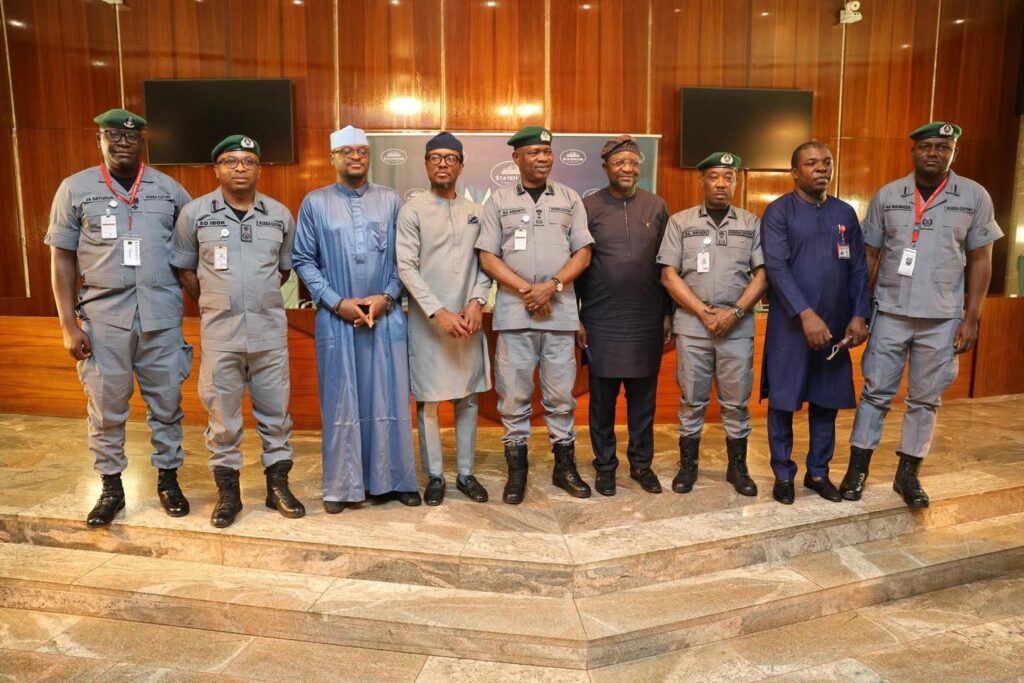
“For many years, regional trade arrangements struggled because Customs was not brought in early enough,” he said, elaborating that “If we must achieve the objectives of AfCFTA, Customs must play its role in enforcing rules of origin, applying preferences, and ensuring that goods genuinely enjoy the benefits of the agreement.”
Adeniyi noted that the upcoming Customs Partnership for African Cooperation in Trade (C-PACT) Summit, to be hosted in Abuja from 17 to 19 November, will mark an important milestone in Africa’s evolving trade landscape. The event has already attracted confirmations from more than 30 Customs administrations, including 22 Directors-General, reflecting what he described as unprecedented alignment within the continent’s trade ecosystem. Beyond government participation, he highlighted a surge in private-sector interest, which he described as one of the most encouraging signals ahead of the summit.
He also disclosed that the conference will mark Nigeria’s first-time hosting of the Secretary-General of the World Customs Organisation (WCO), Ian Sanders—a development he described as a significant recognition of Nigeria’s growing leadership role in African trade diplomacy.
The CGC pointed to a strengthening trend in Nigeria’s export performance, noting that volumes have risen by over 30 percent in the past two years. The new challenge, he said, is redirecting a greater share of this growth toward African markets where AfCFTA opportunities remain largely untapped.
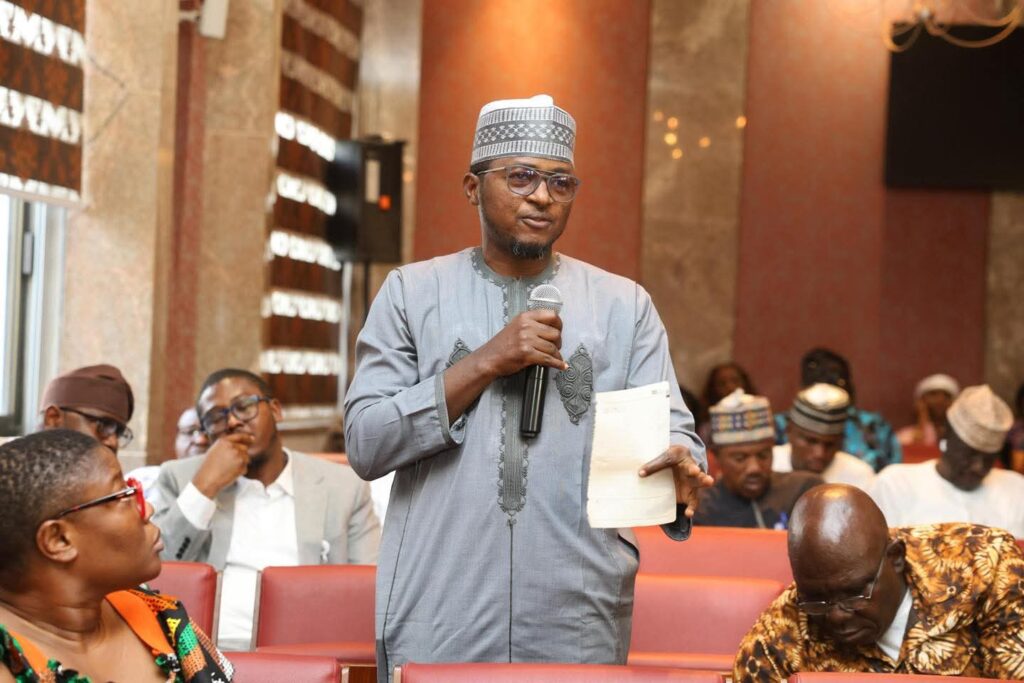
And, acknowledged support from key institutions including the Federal Ministry of Finance, the Ministry of Industry, Trade and Investment, AFREXIMBANK, the Nigerian Export Promotion Council, port authorities and other agencies involved in cross-border trade.
According to him, this level of inter-agency alignment has created a “historic window” for Nigeria to consolidate its role as a leading driver of continental economic transformation.
Adeniyi urged greater public awareness ahead of the Abuja summit, noting that the opening day will feature direct engagements with private-sector operators from across Africa aimed at identifying persistent barriers to moving goods across the continent.
The Customs top-man said the country is entering a new phase where Customs-led reforms, improved logistics processes, and AfCFTA-aligned systems will shape Nigeria’s trade competitiveness for years to come.