

Society
Solomon Oshoffa Highlights What Pius Olarewaju’s Demise Means For Celestial Church Worldwide
saying his passing represents not just the loss of a leader

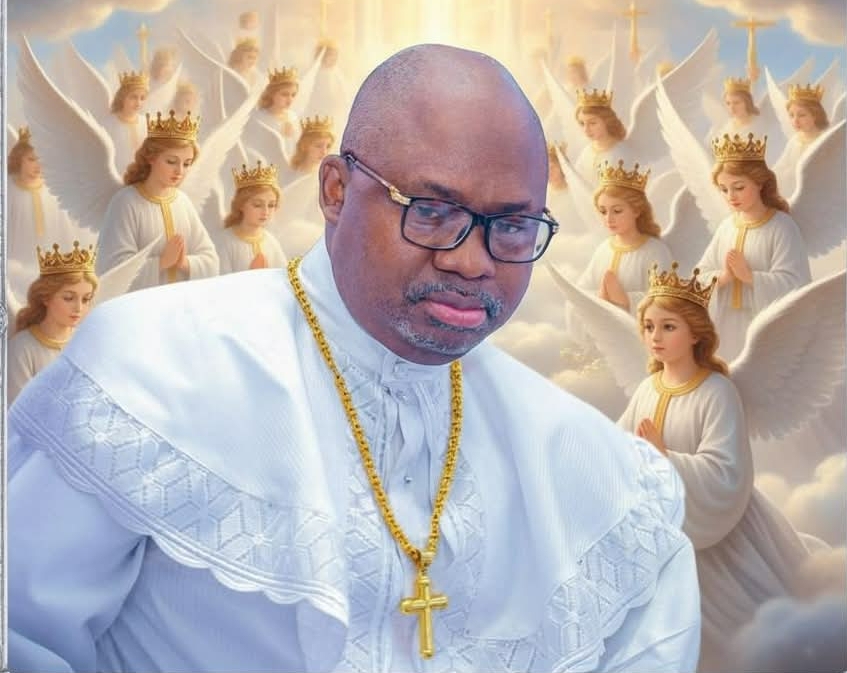
Most Senior Evangelist Solomon Gbolaga Oshoffa has described the death of Late Superior Evangelist Pius Ige Olarewaju as a defining moment for the Celestial Church of Christ (CCC), saying his passing represents not just the loss of a leader but the departure of a stabilising institutional force whose legacy now poses hard questions for the Church’s future.
Solomon Oshoffa is one of the sons of founder Pastor Bilehou Oshoffa and also one of trusted aides of his brother and current Pastor, Mobiyina Oshoffa.
In a deeply reflective condolence message, Solomon Oshoffa said the late cleric’s transition calls for sober reflection across the Church, noting that “the departure of Superior Evangelist Pius Olarewaju is not merely the loss of a leader; it is the loss of a strong institutional pillar.”
Olarewaju died on Monday, January 12, 2026, a day after a model thanksgiving service on Sunday, January 11.
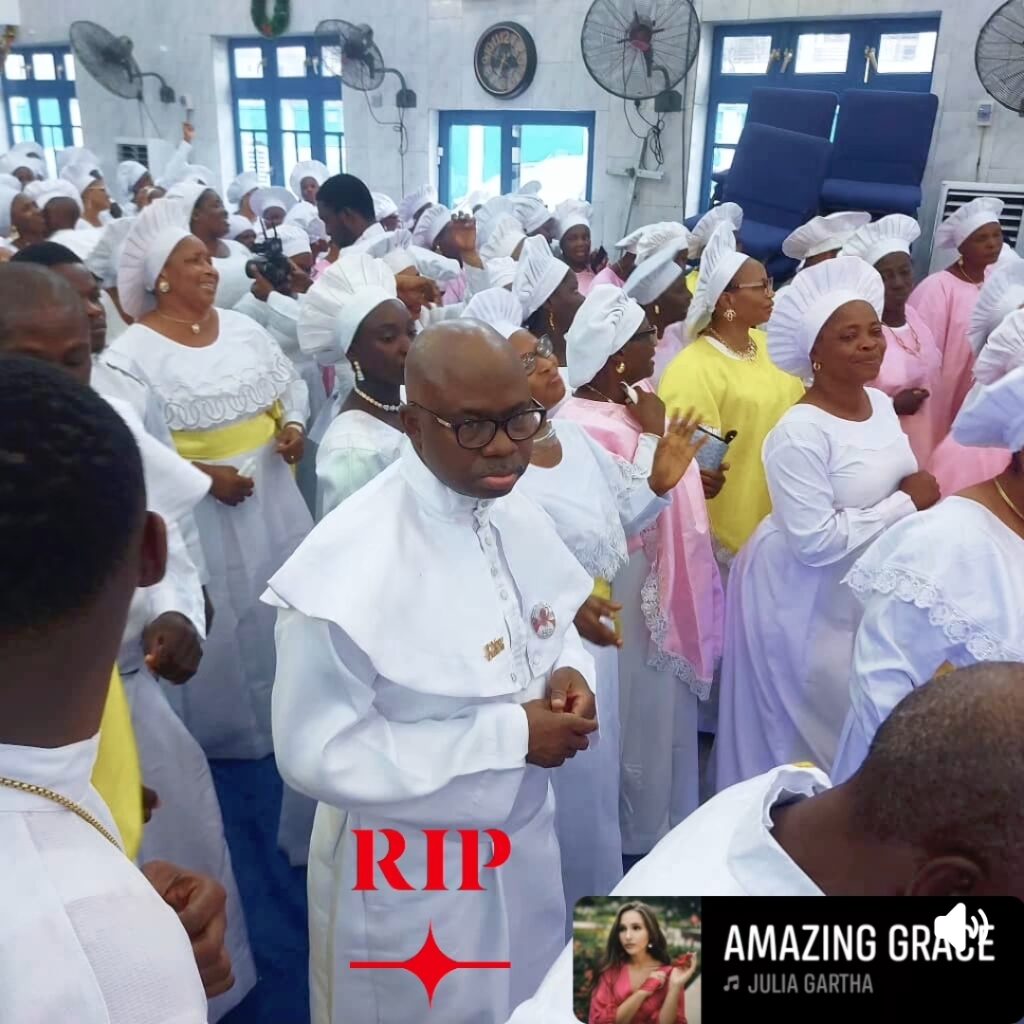
His passing sent shockwaves across the Celestial Church of Christ worldwide, drawing tributes from clergy, leaders and members across continents.
According to Oshoffa, Olarewaju’s life was defined by courage, structure, accountability and an unwavering commitment to the growth and stability of the Church, even when such convictions placed him in difficult and often misunderstood positions.
He described him as “a man who bore heavy responsibilities with uncommon firmness, clarity of purpose, and deep love for our Church,” adding that history would remember him as “a man who chose the hard path of responsibility over the easy road of silence.”
The founder’s son further noted that the late superior evangelist was firm in principle and courageous in decision-making, yet deeply human.
“He was not a man who pretended perfection,” he disclosed and went to clarify, “but one who stood resolutely by what he believed was right for the collective good of the Church.”
Beyond his spiritual leadership, Olarewaju was widely acknowledged as a visionary administrator and institution builder.
He was the founder and patron of the Omo Alade Alafia Group, an initiative recognised within the CCC as a benchmark for ministry self-sustainability.
Insiders said the group helped revolutionise structured support for parishioners through a chain of businesses spanning education, food production and real estate, strengthening both the spiritual and economic wellbeing of members.
As a former member of the Board of Trustees of the Celestial Church of Christ Nigeria Diocese, Olarewaju was also described as a high-impact influence in project execution, particularly the famous Basilica in Imeko, where his organisational strength and commitment to excellence were said to be clearly evident.
Oshoffa used the moment of mourning to highlight reconciliation as one of the most enduring lessons of Olarewaju’s life.
He disclosed that a genuine reconciliation took place between them on February 25, 2025, and was reaffirmed on November 22, 2025.

“These moments were not cosmetic, political or forced,” Oshoffa stressed, insisting “they were sincere, heartfelt, and rooted in the understanding that the work of God must never be sacrificed on the altar of personal disagreements.”
He added that those reconciliations remain living testimonies that peace is always possible when Christ remains the focus.
“They remind the Church that dialogue, humility, forgiveness and mutual respect are not signs of weakness, but marks of spiritual maturity,” he said, emphasising his gratitude to God that differences were settled before Olarewaju’s transition.
Reflecting on the broader implications for the Church, Oshoffa warned that death has a way of silencing arguments and stripping titles of their power.
“What remains is truth, legacy, and the question: what did we learn?” he asked and urged the Church to address conflicts early, resolve disputes quickly and resist prolonged bitterness or division, noting that “no vision thrives in an atmosphere of hostility, and no church grows where reconciliation is delayed.”
Reaffirming commitment to the founding vision of Pastor Founder Rev. S.B.J. Oshoffa, he called on members to return to the Church’s core values of holiness, love, discipline, order and spiritual purity.
“For the sake of Jesus Christ, whom we all profess to serve, we must choose unity over ego, dialogue over division, and reconciliation over resentment,” Solomon Oshoffa canvassed.
Committing the soul of the late superior evangelist into the hands of God, Oshoffa prayed that “the Lord, who sees the heart of man beyond public opinion, will grant him eternal rest among the saints,” and asked that divine mercy would speak louder than human judgment.
He also prayed for comfort, wisdom and healing for Olarewaju’s family, loved ones and the entire Celestial Church of Christ.
While acknowledging that the departure has left “a profound sense of emptiness,” Oshoffa said Olarewaju’s life of purpose, service and uncommon integrity remains a living legacy.
He described him as “a distinguished leader, a genuinely unique personality, a limited-edition individual whose impact cannot be replaced.”
Bidding him farewell, Oshoffa wrote, “O de bẹ́, tún bẹ̀ṣe,” a Yoruba expression meaning “he arrived well, and he fulfilled his mission well.”
And added, “Farewell, Daddy,” noting that Olarewaju’s memories would remain etched in the hearts of the faithful and his legacy would continue to inspire generations yet unborn.