

Business
Sanwo-Olu Reveals What Will Determine Success Of Tinubu’s Tax Reforms
ahead of the new tax framework scheduled to take effect from January 1,

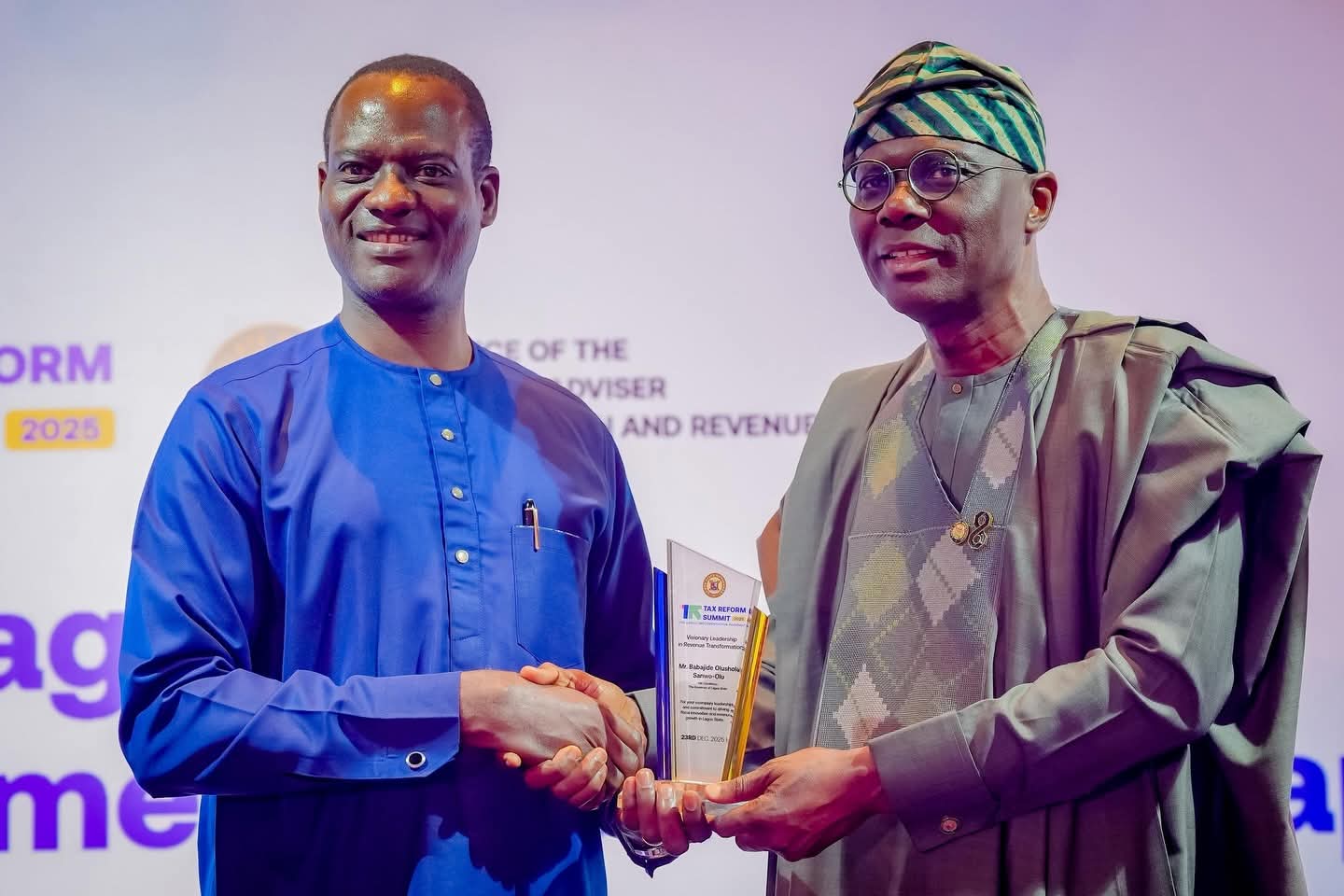
Lagos State Governor Babajide Sanwo-Olu on Tuesday said the ultimate success of President Bola Ahmed Tinubu’s sweeping tax reforms will be determined not by federal legislation alone but by how effectively states translate the new laws into everyday reality for citizens and businesses.
Speaking at the Lagos Tax Reform Summit in Lagos, Sanwo-Olu said states sit at the centre of implementation and must ensure that reforms are felt in practical terms by workers, families and enterprises.
He disclosed that Lagos has already begun adjusting its revenue portal and internal systems ahead of the new tax framework scheduled to take effect from January 1, 2026.
“The success of these reforms will be decided by implementation at the state level,” the governor said, adding that “our responsibility is to make sure policy is felt in real life, not just on paper. That is why we are already aligning our systems ahead of January.”
From January 1, 2026, Nigeria’s new income tax regime under the Nigeria Tax Act 2025 and the Nigeria Tax Administration Act 2025 will officially come into force.
The reforms, introduced by the Tinubu administration, are designed to boost productivity, widen the tax net fairly and protect low-income earners while ensuring that high earners meet their obligations.
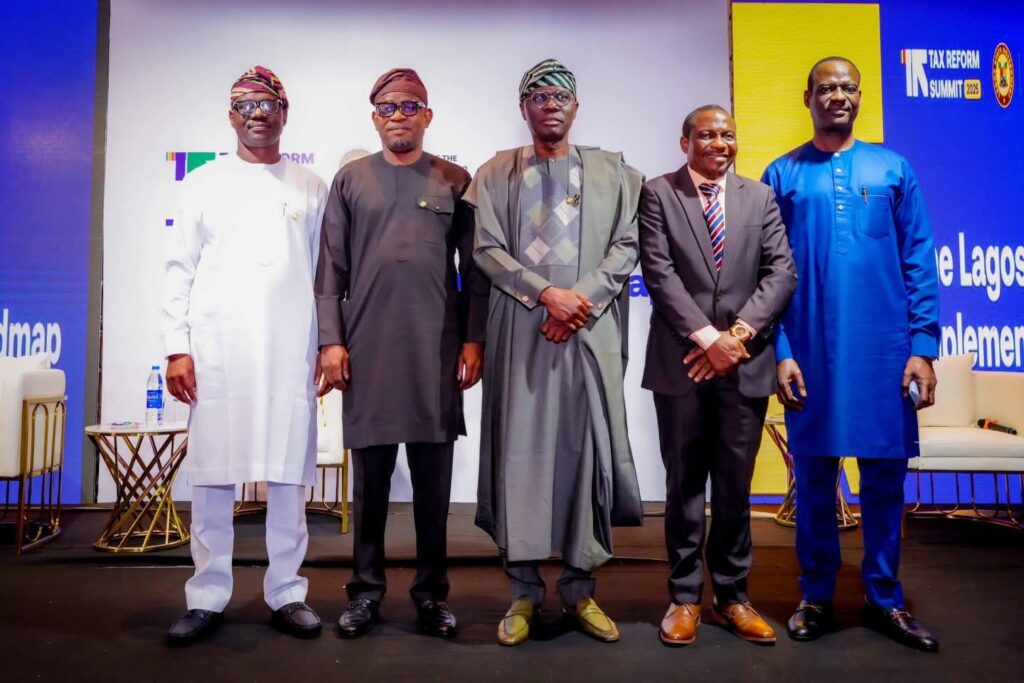
Sanwo-Olu said Lagos remains fully aligned with the national fiscal direction being driven by President Tinubu, noting that the summit was focused on turning reform into action.
“Lagos has always worked within the national fiscal system, and we remain firmly aligned with the reforms being led by Mr President,” the state helmsman said.
Addressing public concerns that the reforms could hurt the poor and favour the wealthy, the governor dismissed such fears as misplaced.
He explained that the structure of the new tax law is deliberately progressive and protective of vulnerable groups.
“The goal is simple: protect small businesses, ensure the wealthy pay what they owe, close leakages and bring more people fairly into the tax system,” Sanwo-Olu stressed.
Under the new law, individuals earning ₦800,000 or less per year, about ₦66,000 monthly, will pay no income tax. Even those earning slightly above that threshold may still be exempt after allowable deductions such as pension contributions, National Health Insurance (NHIS), National Housing Fund (NHF), rent relief and life insurance premiums. Experts estimate that more than 90 percent of Nigerians will either be fully exempt from income tax or pay less than they currently do.
The governor also clarified that the reforms do not authorise automatic deductions from bank accounts.
Banks are only required to share information with tax authorities on accounts with monthly transactions exceeding ₦25 million for individuals and ₦100 million for companies, a move aimed at identifying high earners who may be avoiding taxes, not seizing funds findings revealed.
Insiders severally explained that the reforms are not a federal cash grab, noting that personal income taxes are collected by state governments, not the federal government, except in limited cases such as non-residents and foreign service officers.
With members of the armed forces are now exempt from paying income tax under the new law.
Added information revealed that the revised income tax structure introduces graduated rates ranging from zero percent for incomes up to ₦800,000 to 25 percent for earnings above ₦50 million, ensuring that higher earners contribute more while low-income workers retain more of their income.
New targeted reliefs have also been introduced, including rent relief of up to ₦500,000 annually, pension and health insurance contributions, and tax-free severance pay of up to ₦50 million.
For businesses, the law offers significant relief to smaller enterprises. Companies with annual turnover of ₦100 million or less and fixed assets not exceeding ₦250 million are fully exempt from company income tax, capital gains tax and the new development levy.
Larger firms will retain the 30 percent company income tax rate, with the possibility of a reduction to 25 percent subject to approval by the National Economic Council.
Sanwo-Olu said the reforms fit naturally into Lagos’ approach to public finance, as the state grapples with rapid population growth and rising demand for public services. “Our population keeps growing, our needs keep increasing, and we must rely more on strong, home-grown revenue if we want to keep delivering services,” he emphasized.
While acknowledging that the reforms involve difficult adjustments, the governor said the most challenging phase is already giving way to measurable progress.
He commended President Tinubu for taking bold decisions to fix a system that has been inefficient for decades. “It takes experience and confidence to reform something that has been broken for so long,” Sanwo-Olu said.
The new tax laws will be rolled out gradually from January 2026, allowing individuals, businesses and tax authorities time to adjust systems, improve record-keeping and undertake compliance education across the states, a transition Sanwo-Olu said is crucial to achieving lasting success.