

Society
Lagos Lagoon Authority, Trust Fund, Stiff Penalties, Other Resolutions From Summit To Protect Waterfront
maiden Lagos Waterfront Summit, organised by the Ministry of Waterfront Development


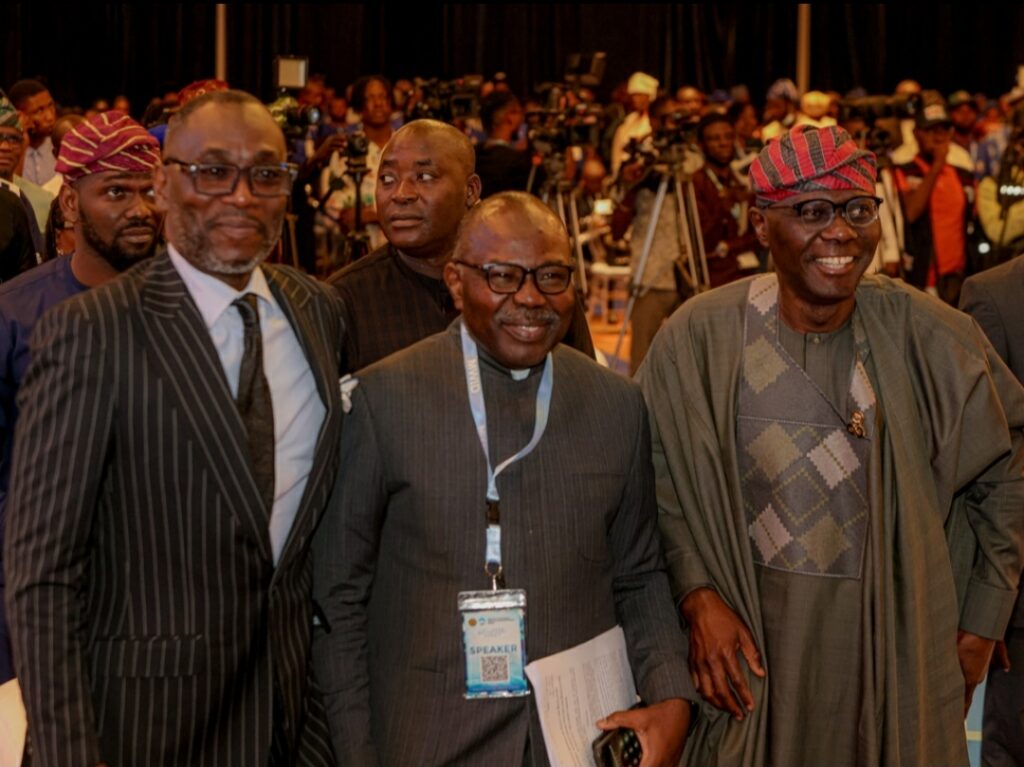
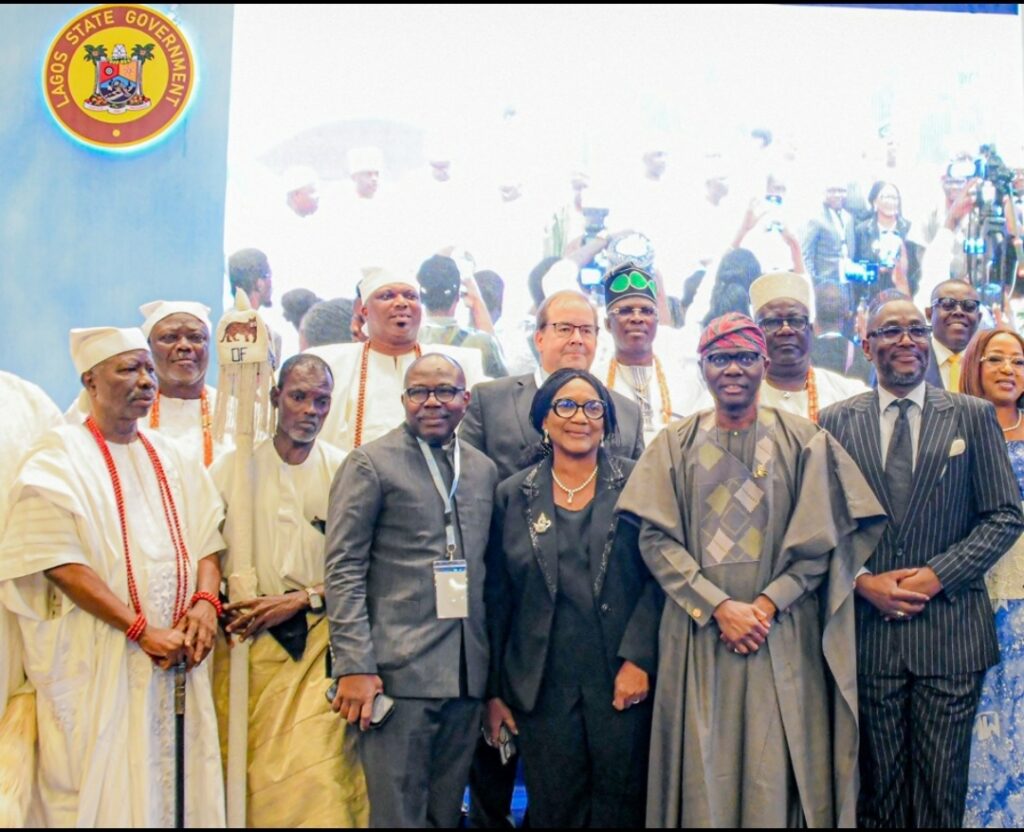
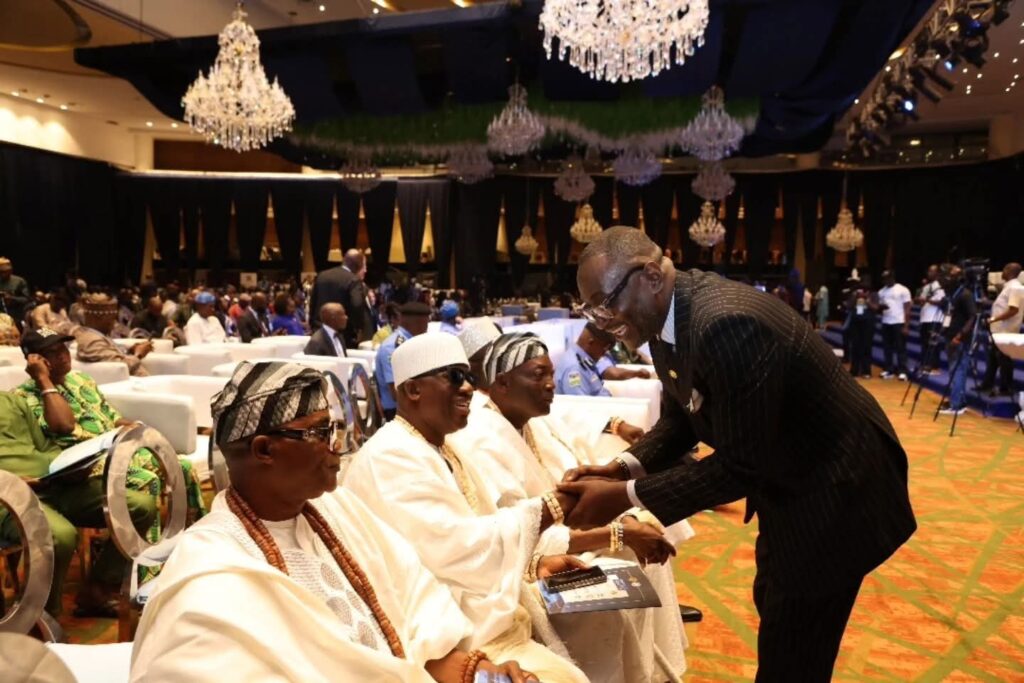
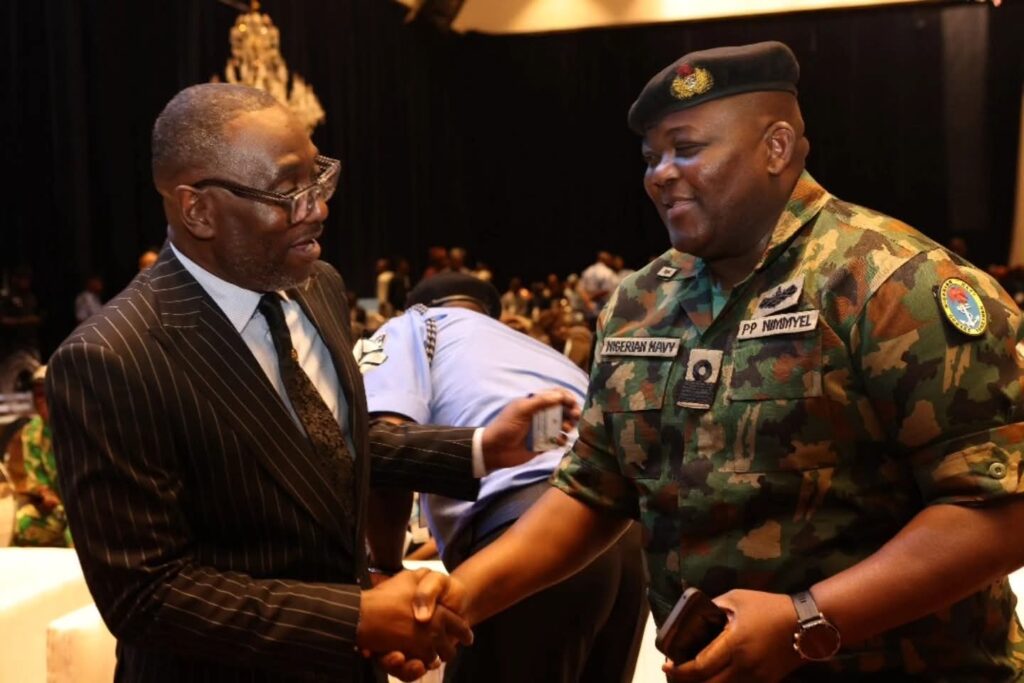
Government leaders, policy makers, academics, private sector stakeholders, traditional rulers, and waterfront communities on Thursday gathered at the maiden Lagos Waterfront Summit, organised by the Ministry of Waterfront Development under Commissioner Dayo Alebiosu, with the full backing of Governor Babajide Sanwo-Olu. The event, held at Eko Hotel and Suites, Victoria Island, resolved to take urgent steps to halt the degradation of the Lagos Lagoon and safeguard it for future generations.
The summit, themed “Pressure on the Lagoon – The Lagos Experience”, described the Lagos Lagoon—covering 6,354 km² and stretching over 50 km—as the city’s heritage, economy, and culture, now under unprecedented pressure from pollution, illegal dredging, reckless reclamation, and climate change.
Stakeholders noted that more than 80 percent of Lagos’s shoreline has been lost in the past 50 years, with livelihoods, biodiversity, and food security increasingly threatened.
Participants observed that weak enforcement of laws, overlapping institutional mandates, poor data management, and inadequate financing had worsened the lagoon’s decline. They also highlighted pollution from plastics, effluents, shipwrecks, and oil spills, alongside unregulated sand mining and real estate development.
Climate change, they warned, was compounding the risks through flooding, tidal surges, and salinity intrusion.
At the end of deliberations, the summit resolved to adopt a legally binding Lagos Lagoon Protection Policy and establish a Lagos Lagoon Authority to harmonize regulation and speak with one voice on governance. Delegates also backed strict enforcement of the polluter-pays principle to ensure industries, dredgers, and operators bear restoration costs and face stiff penalties for infractions.
Other resolutions included the creation of a Lagos Lagoon Trust Fund to mobilize predictable, long-term resources from government, private investors, and international partners, and the development of a centralized monitoring framework to generate real-time data for planning and enforcement. Stakeholders further agreed to deploy GIS mapping, drone surveillance, satellite imaging, and water quality stations, while empowering waterfront residents with alternative livelihoods and active roles in enforcement.
Commitments were also made to mainstream climate resilience measures such as mangrove restoration, shoreline protection, and sustainable urban planning, alongside developing opportunities in eco-tourism, aquaculture, renewable energy, and boat transport as part of a broader blue economy strategy.
Governor Sanwo-Olu, in his keynote address, underscored the urgency of halting illegal dredging, reckless reclamation, and marine pollution.
He reaffirmed his administration’s commitment to strengthen regulations, engage communities, and ensure sustainability in all waterfront projects, insisting that safeguarding the lagoon was a shared responsibility between government, the private sector, and residents.
The summit concluded with the signing of a Memorandum of Understanding between the Lagos State Government and CDR International BV, lead consultant of a Dutch consortium with Boskalis and Van Oord as partners, for pre-feasibility and feasibility studies on coastal protection.
The collaboration aims to address long-standing coastal erosion through phased interventions that will restore the shoreline, safeguard communities, and open pathways for international financing of sustainable projects.
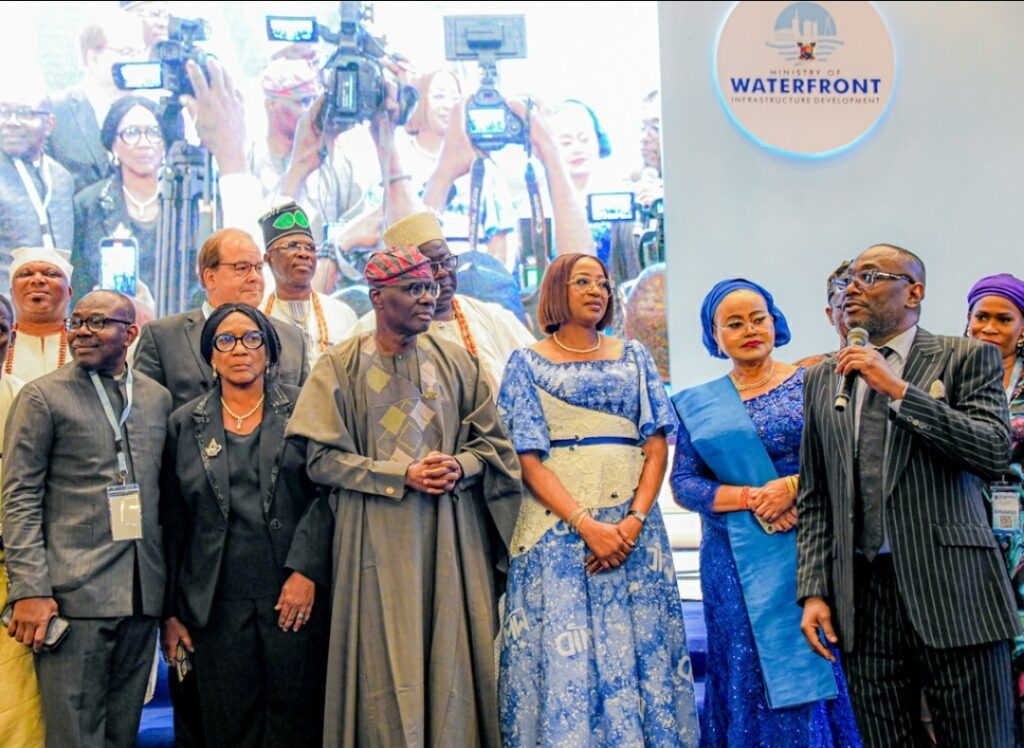
Stakeholders stressed that lessons from global best practices, particularly the Netherlands, show that coastal challenges can be turned into opportunities for resilience and prosperity. They called on waterfront communities, including Makoko, to work with government on sustainable management plans, assuring that cultural realities and livelihoods would be respected.
The communiqué closed with a call for collective action, urging all parties to move from commitments to implementation so that the Lagos Lagoon remains a source of pride, prosperity, and protection for generations to come.