

Society
How Lagos’ Jetties Are Setting The Stage For A Safer, Faster Detty December
designed to support the city’s busiest holiday movements.

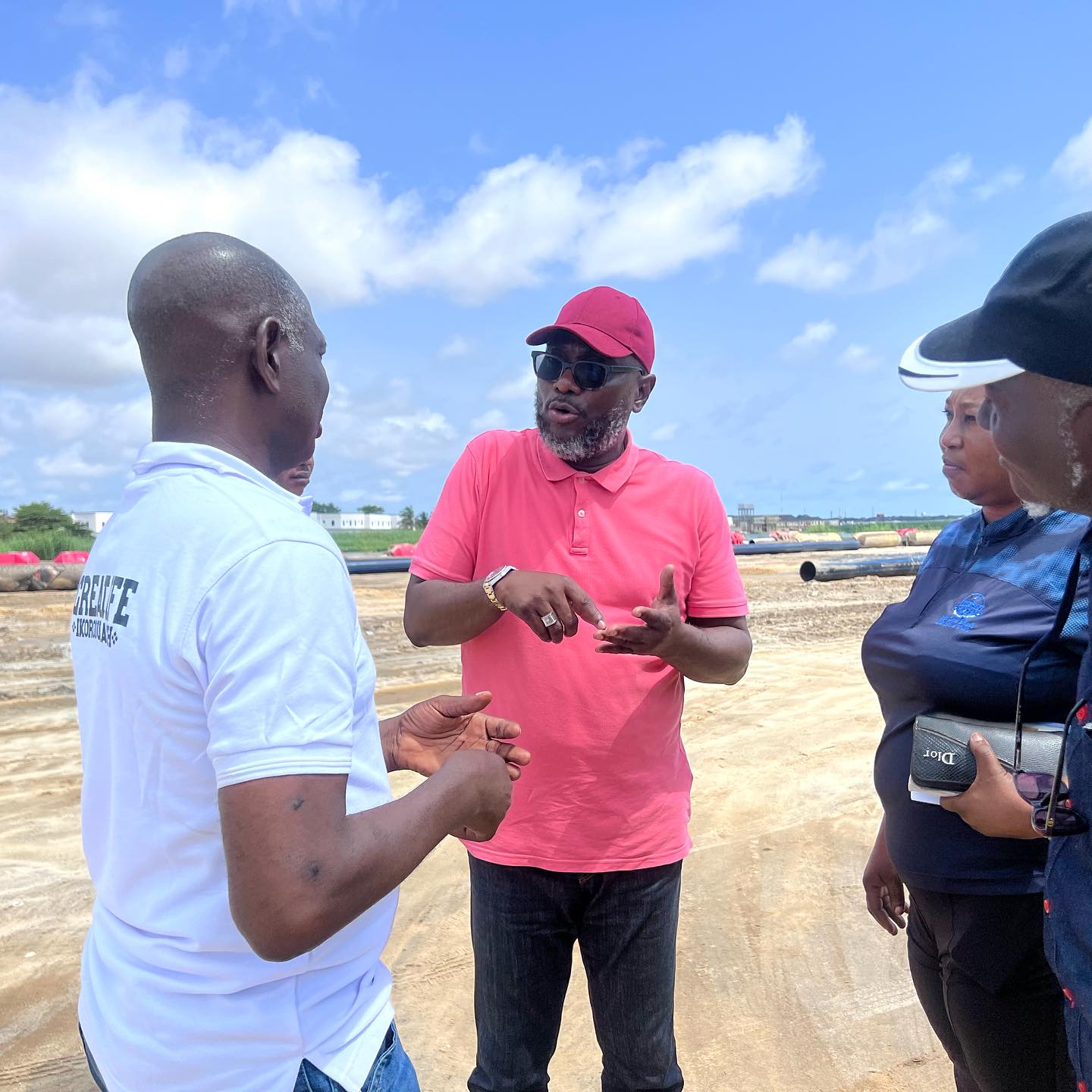
Lagos is going into the festive season with a huge push to ease travel for millions of residents, as the state accelerates construction, upgrades and regulation across its waterfront corridors.
At the centre of this drive is the Ministry of Waterfront Infrastructure Development, which has spent the last year expanding ferry routes, enhancing safety systems and installing modern jetties designed to support the city’s busiest holiday movements.
Under Governor Babajide Sanwo-Olu’s THEMES+ Agenda, water transportation has taken a front seat, especially for communities where waterways remain the only viable means of mobility. Thirteen new jetties are currently under construction across the state, with several nearing completion — in addition to the seven terminals earlier delivered and handed to LASWA for management.

The projects, according to Commissioner Dayo Alebiosu, are meant to cut travel time, ease pressure on Lagos roads and create more reliable movement options during the notorious December rush.
Part of the work includes the ongoing channelisation of the 6.8km Ikorodu–Mende route, jointly identified by LASWA and LAGFERRY as a priority corridor.
The improved route is expected to serve more riverine communities, reduce journey time into the mainland and open fresh opportunities for commerce and tourism.
Infrastructural upgrades now extend beyond terminals. Lagos has begun installing concrete floating pontoons at Agboyi Ketu, Ijegun Egba and Bayeku/Ikorodu — with more slated for Ebute Ero, Ijede, Apa, Mile 2, Mowo and other strategic points.
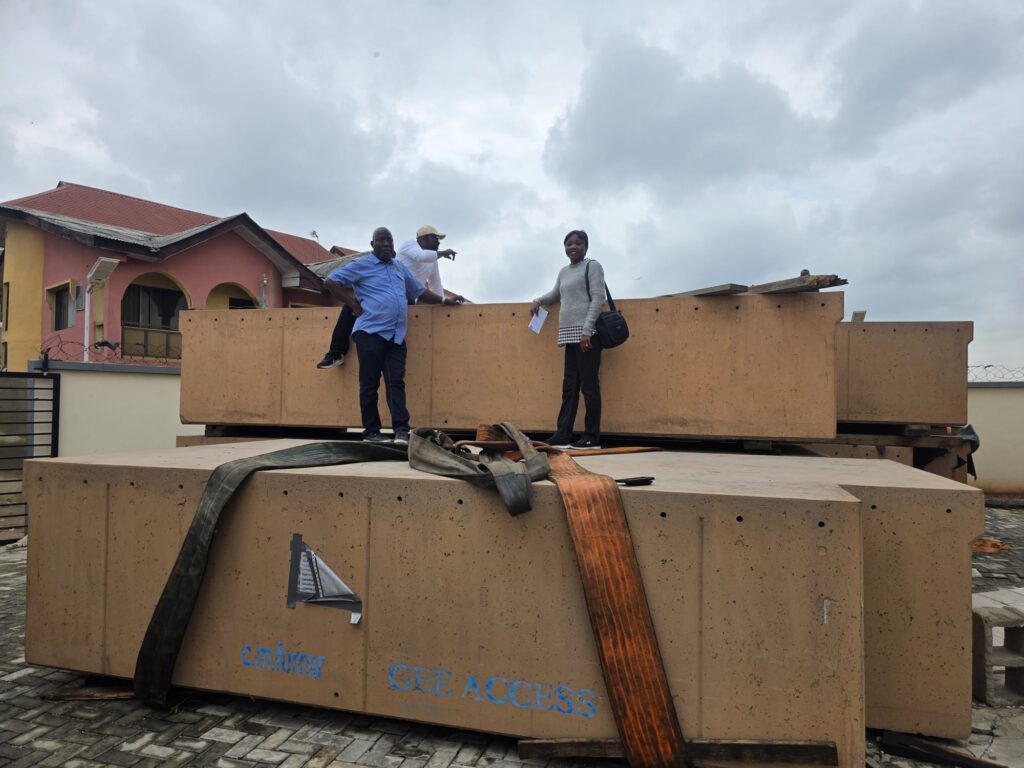
The pontoons, built to withstand wave pressure, eliminate the shaky platforms that make boarding uncomfortable for many passengers.
Alebiosu, the popular grassroots person also known as “D’Bush ‘, said the six-sided pontoons offer 360-degree docking, safer crowd movement and can even serve as temporary bridges during flooding.
These upgrades are tied to the €410 million Omi Eko project, which will introduce 78 electric ferries, expand 25 terminals, dredge 15 routes and integrate ferry services with buses and rail via the Cowry card.
The goal is to cut emissions, boost resilience, reduce congestion and make water travel a central pillar of Lagos mobility,.insiders disclosed.
The Ministry is also pushing harder on compliance across all waterfronts. Several illegal reclamation and dredging operations were shut down in the past year, with arrests and confiscations made at Banana Island, Ijegun Egba and other locations. Stop-work orders were issued to developers who violated environmental and planning regulations, including at Gracefield Island.
Officials say the enforcement is needed to protect the coastline, prevent slums and preserve the ecological system.
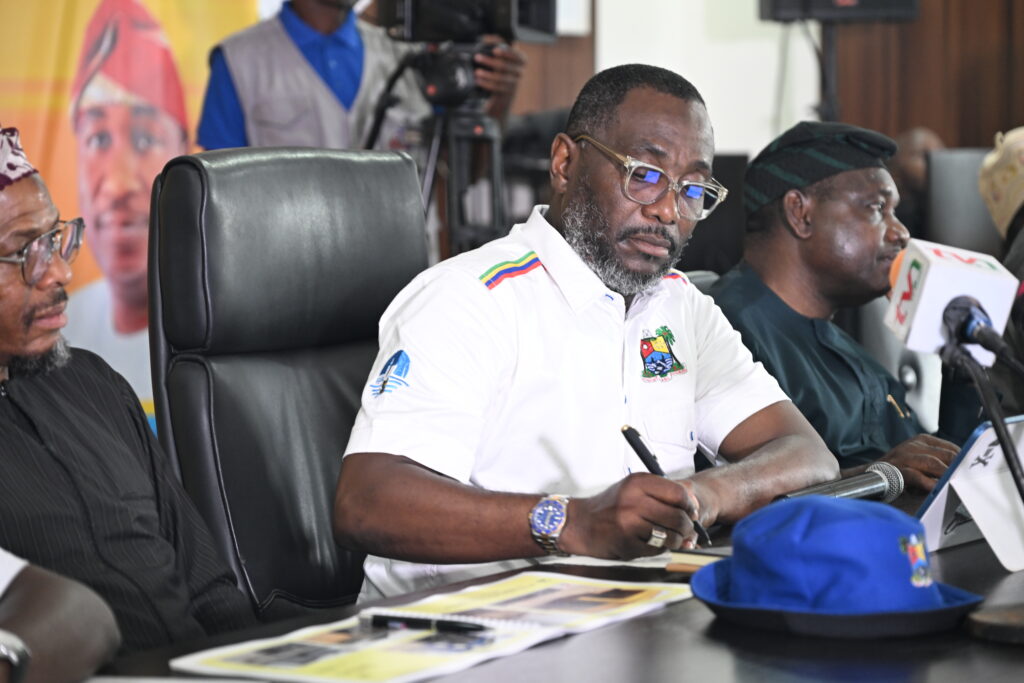
Alongside new infrastructure, Lagos is advancing multiple man-made island projects — from Eko Atlantic to Orange Island, Gracefield Phoenix Island, Majidun-Awori, Mansonian Bay Island and others approved by the Governor.
These schemes, the Ministry says, are aimed at expanding land availability for housing, protecting the shoreline from erosion, attracting investment and boosting state revenue.
Alebiosu insists the reforms are ultimately about building a safe, modern and dependable water transport system that Lagosians can trust, especially during the high-traffic holiday season.
As the city gears up for Detty December, its new jetties, expanded routes and stricter regulation are already shaping a faster and more organised movement experience for commuters who are increasingly turning to the waterways as their quickest escape from gridlock.
