

Business
An Opportunity To Dispassionately Clear My Name – NMDPRA Boss, Farouk Ahmed On Dangote’s Petition To ICPC, Disowns Viral Statement
described the allegations against him and his family as “wild and spurious,”

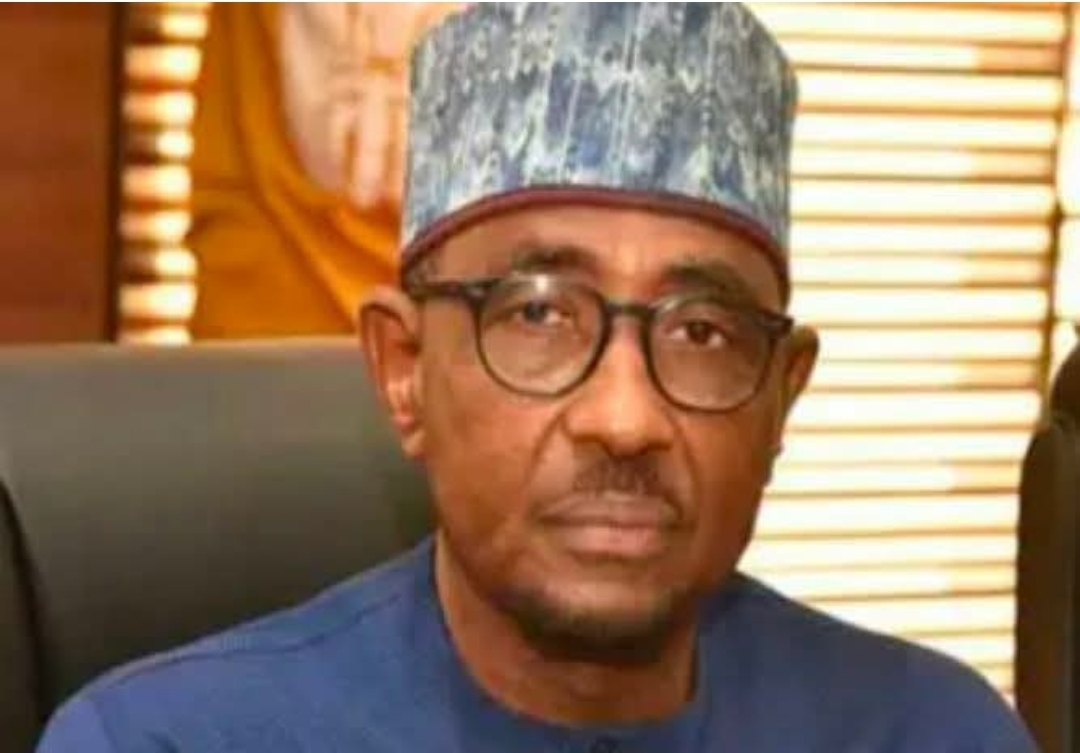
The chief executive of the Nigerian Midstream and Downstream Petroleum Regulatory Authority (NMDPRA), Farouk Ahmed, has distanced himself from a viral statement purportedly issued in his name amid the growing controversy surrounding a petition submitted to the Independent Corrupt Practices and Other Related Offences Commission (ICPC) by the Dangote Group.
In a clarification sent to journalists, the NMDPRA boss said his “attention has been drawn to a purported response” credited to him on the allegations but stressed that the statement “did not emanate from me,” effectively disowning the widely circulated reaction that suggested a robust public defence of his actions.
While acknowledging the intensity of the allegations and the public interest they have generated, Ahmed said he deliberately chose restraint, citing his position as a regulator overseeing a sensitive sector of the economy. The Chief Executive noted that he had opted not to engage in public exchanges or media back-and-forth over the matter.
The NMDPRA boss described the allegations against him and his family as “wild and spurious,” but welcomed the fact that the complainant had taken the matter to a formal investigative body. According to him, the petition before the ICPC offers a proper avenue for a calm, objective examination of the issues and an opportunity for him to clear his name.
Ahmed’s clarification marks a fresh twist in the unfolding saga that began with with frontline industrialist Aliko Dangote’s petition to the ICPC, accusing the regulator of alleged misconduct linked to regulatory decisions in the downstream petroleum space. The petition has since drawn widespread attention, triggering public debate and media scrutiny, as well as an initial response from the ICPC confirming receipt of the complaint and commencement of preliminary processes.
Before Ahmed’s latest intervention, a statement circulated online suggesting that the NMDPRA chief had publicly defended himself and dismissed the allegations in strong terms. That statement was widely shared and reported as his official reaction.
Ahmed’s latest message, however, firmly disowns that narrative, positioning him instead as willing to submit to institutional scrutiny rather than engage in what he described as “public brickbat.”
His stance appears aimed at shifting the battleground from social media and public commentary to the investigative process now underway.
As the ICPC proceeds with its assessment of the petition, attention is expected to remain fixed on how the anti-corruption agency handles a case that touches one of the country’s most influential business groups and a key regulator in Nigeria’s energy sector. The NMDPRA chief executive says the process represents a chance “to dispassionately distill the issues” and, ultimately, vindicate himself.