

Business
7 Major Ways Nigeria’s National Single Window Will Boost Trade
a reform expected to simplify import and export procedures

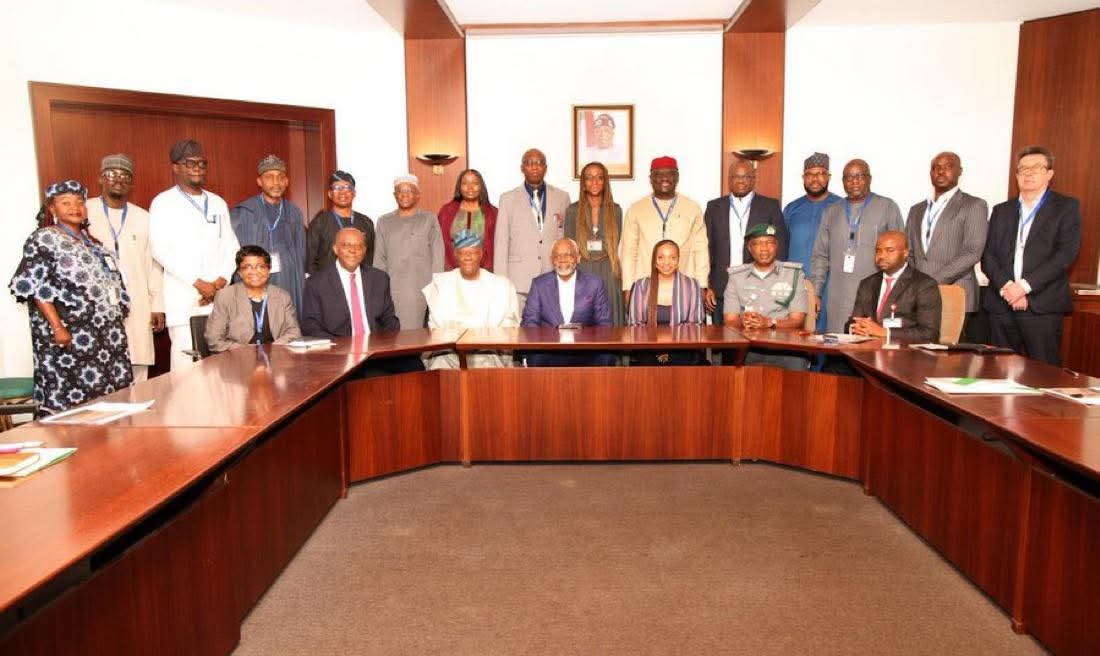
Nigeria is set for a major transformation in its trade ecosystem as the Federal Government prepares to launch the National Single Window (NSW) platform on March 27, a reform expected to simplify import and export procedures, reduce bureaucratic bottlenecks and improve the country’s competitiveness.
The Chief of Staff to the President, Femi Gbajabiamila, described the initiative as a “monumental” reform that will significantly reshape the nation’s trade environment.
Speaking during a stakeholders’ meeting at the State House, Abuja, attended by ministers, agency heads and senior government officials, Gbajabiamila said the digital platform represents one of the most far-reaching fiscal reforms introduced by the administration of President Bola Ahmed Tinubu.
“We are about to launch yet another reform, fiscal reform by this administration, which in its nature will be very transformational,” he said.
The National Single Window system is designed to integrate multiple government agencies involved in trade into a single digital platform, enabling traders to process documentation and obtain approvals through one entry point.
Below are seven major changes the platform is expected to bring to Nigeria’s trade environment.
1.One portal for all trade documentation
One of the biggest changes is the introduction of a single platform through which importers and exporters can submit trade-related documents.
Instead of navigating multiple agencies, traders will be able to upload documents once through the central platform.
As Gbajabiamila explained, the platform represents “a single national window as opposed to multiple single windows,” signalling a move away from fragmented processing systems.
2. End to multiple submissions of the same documents
Under the new system, documents submitted by traders will automatically be shared with all relevant agencies.
This will eliminate duplication, one of the longstanding complaints from businesses dealing with government regulators.
According to the National Single Window Coordinator, Tola Fakolade, the system ensures that “documents will be submitted once and shared with all relevant agencies without duplication.”
3. Electronic cargo manifest processing
Another major reform is the digitisation of cargo manifest submissions.
Shipping and logistics companies will now submit manifests electronically, reducing paperwork and delays.
Fakolade said cargo manifests will be “submitted electronically and transmitted automatically to relevant agencies without human intervention.”
4. Centralised risk management system
The platform will introduce a centralised risk management framework that allows agencies to screen cargo and transactions digitally.
This is expected to reduce arbitrary inspections and enhance transparency in trade processing.
It will also enable government agencies to coordinate intelligence and risk profiling more effectively.
5. Faster import permit processing
The first phase of the project will allow traders to process import permits online.
Digital permit processing is expected to cut waiting times and reduce the physical interface between traders and officials.
Fakolade said the first phase will enable “online processing of import permits,” marking a significant shift toward automation.
6. Greater coordination among trade agencies
The National Single Window will connect several key agencies involved in Nigeria’s trade operations, including the Nigeria Customs Service, the Standards Organisation of Nigeria, the Nigerian Maritime Administration and Safety Agency, the Nigerian Ports Authority and the National Agency for Food and Drug Administration and Control.
Others include the Federal Airports Authority of Nigeria, the Nigeria Agricultural Quarantine Service and the National Environmental Standards and Regulations Enforcement Agency.
The initiative is expected to improve inter-agency collaboration and eliminate operational overlaps.
7. Improved competitiveness for Nigeria’s economy
Government officials believe the reform will strengthen Nigeria’s position in global trade and help close the country’s trade facilitation gap.
The Governor of the Central Bank, Olayemi Cardoso, pledged the bank’s support for the initiative, stressing the importance of aligning Nigeria’s trade systems with global standards.
Similarly, Coordinating Minister of the Economy and Minister of Finance, Wale Edun, described the project as a critical economic reform.
“This is a growth-enhancing and growth-enabling project. What is required of the Ministry of Finance, we will definitely do,” Edun said.
