

Politics
Top 5 Nigerian Politicians People Love To Read About And Why
Wike’s brand of politics has fostered a love-hate relationship with the public


Based on findings here and there, here is a list of the top five Nigerian politicians the public loves to read about and why.
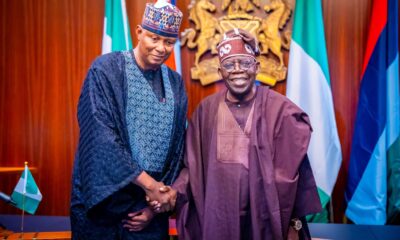
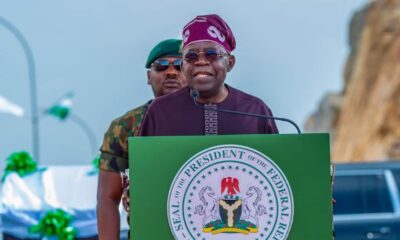
Bola Tinubu, the President of Nigeria naturally takes the lead.
As the incumbent President of the country dubbed the “Giant of Africa,” his policies and actions attract a massive following, especially against the backdrop of economic challenges and the electoral promises that brought him to power. When Tinubu declared his intention to be President, Nigeria’s economy was in a tailspin.
He ascended to office in 2023 on the wings of great expectations under the “Renewed Hope” agenda, promising to turn around the fortunes of the country.
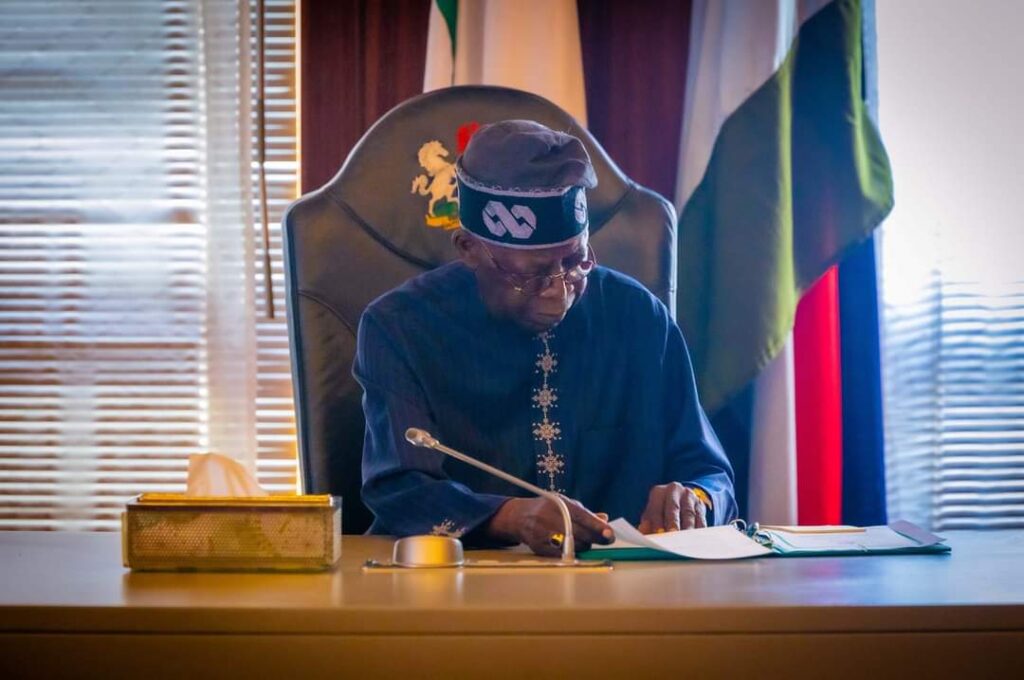
Although his administration has taken widely labeled creditable steps to revamp the economy, the soaring cost of living tells another story.
Yet, the President, who came to power after years as the leader of the opposition offering solutions from the fringe, insists the current hardship is an inevitable phase on the path to eventual prosperity.
In second place is Nyesom Wike, the former two-term Governor of Rivers State.
Wike’s brand of politics has fostered a love-hate relationship with the public. From a former local government chairman, he has transformed into one of the most influential politicians across Nigeria’s two main political parties—the ruling All Progressives Congress (APC) and the opposition People’s Democratic Party (PDP)—by deftly aligning with winning sides.
Now serving as the Minister of the Federal Capital Territory, Abuja, in the APC-led government, while remaining a PDP chieftain, Wike exemplifies a unique brand of politics.
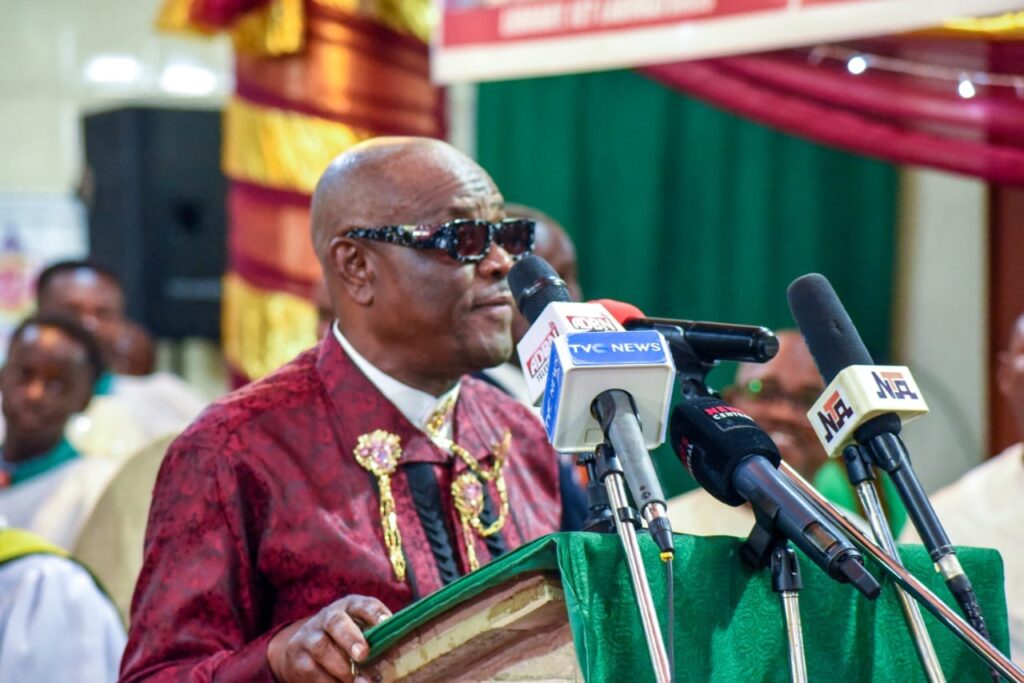
But what has truly fueled public interest is his all-out war with Siminalayi Fubara, his successor as Governor of Rivers State.
Assertions across platforms indicate Wike virtually single-handedly installed Fubara, a former Director of Finance and Accounts at the State Government’s House, as his replacement.
But Fubara, who also served as the Accountant General of Rivers State, revolted against what he labeled Wike’s “high-handed attitude,” igniting a fierce face-off that the public finds both enthralling and enraging.
Next on the list is Peter Obi, the face of the movement that nearly caused a major upset in the last general election.
A former Governor of Anambra State under the All Progressives Grand Alliance (APGA), Obi left the PDP in May 2022, citing a flawed process in the presidential primaries.
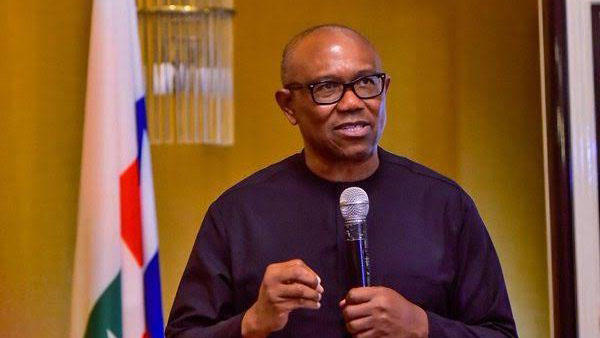
Soon after, he was embraced as the symbol of a “fresh breath in leadership” by a self-named “Obidient” movement, largely rooted in the eastern part of the country, whose supporters branded themselves “Obidients.”
“Obidient” derives from the politician’s surname, “Obi.”
As the Labour Party’s presidential candidate in the 2023 election, Obi ran a passionate campaign, backed by the Obidient movement that became a formidable force.
His win in Lagos, the stronghold of President Tinubu, underscored the movement’s strength.
Although he lost the 2023 presidential election – his campaign was of passion than structure -, coming third with 6,101,533 votes (25.40%) behind Atiku Abubakar of the PDP (6,984,520 votes or 29.07%) and Tinubu (8,794,726 votes or 36.61%), Obi continues to capture the public’s interest more than Atiku, partly because of his active presence at events while Atiku largely relies on statements and social media commentary on national issues.
Kashim Shettima, Vice President of the Federal Republic of Nigeria is the fourth on the list.
Rarely smiling—and when he does, only faintly—Shettima rose to public prominence through his leadership of Borno State as Governor from 2011 to 2019, after serving as Commissioner in five ministries from 2007 to 2011. Credited with landmark projects, Shettima was Governor during the infamous Chibok girls kidnapping in April 2014.
A master of relationship management, Shettima deftly navigated state affairs, maintaining a good rapport with his predecessor, Ali Modu Sheriff, and ensuring a preferred successor, Babagana Zulum.
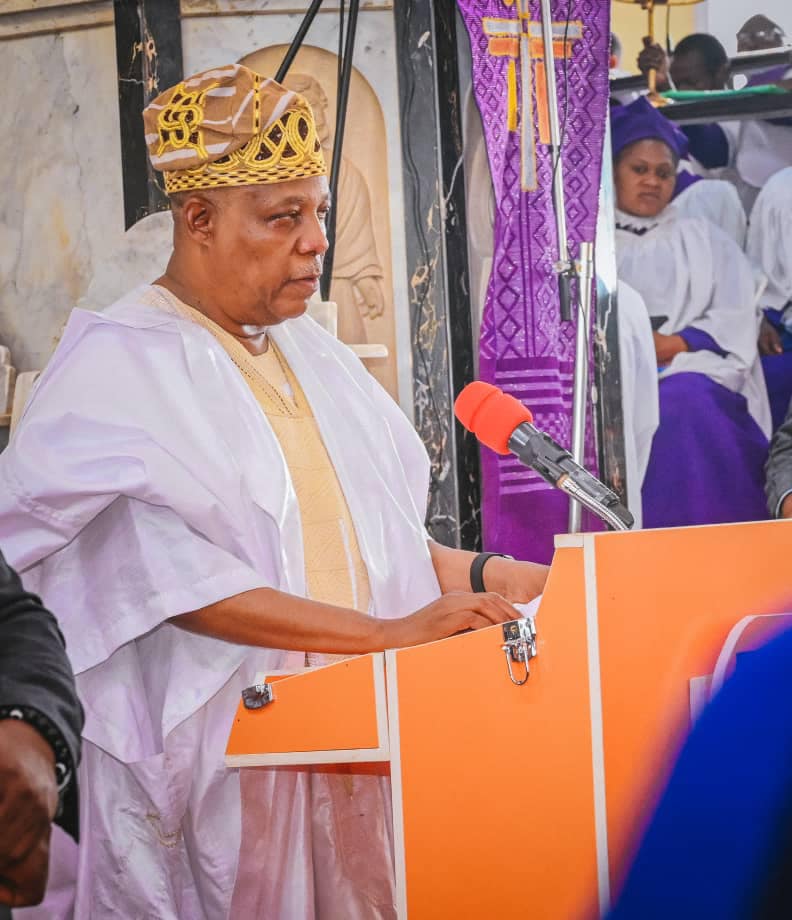
His steadfast loyalty to President Tinubu, as revealed in his pivotal role in Tinubu’s electoral journey, has endeared him to many as a man of principle.
His stoic demeanor and somber appearance cultivate a mystique that draws public fascination regarding his next moves.
The former banker has further heightened interest by taking on more diplomatic roles and engagements, especially in international forums.
Rabiu Kwankwaso, the leader of the Kwankwasiyya movement, often called the “Red Cap Revolution” completes the list of five.
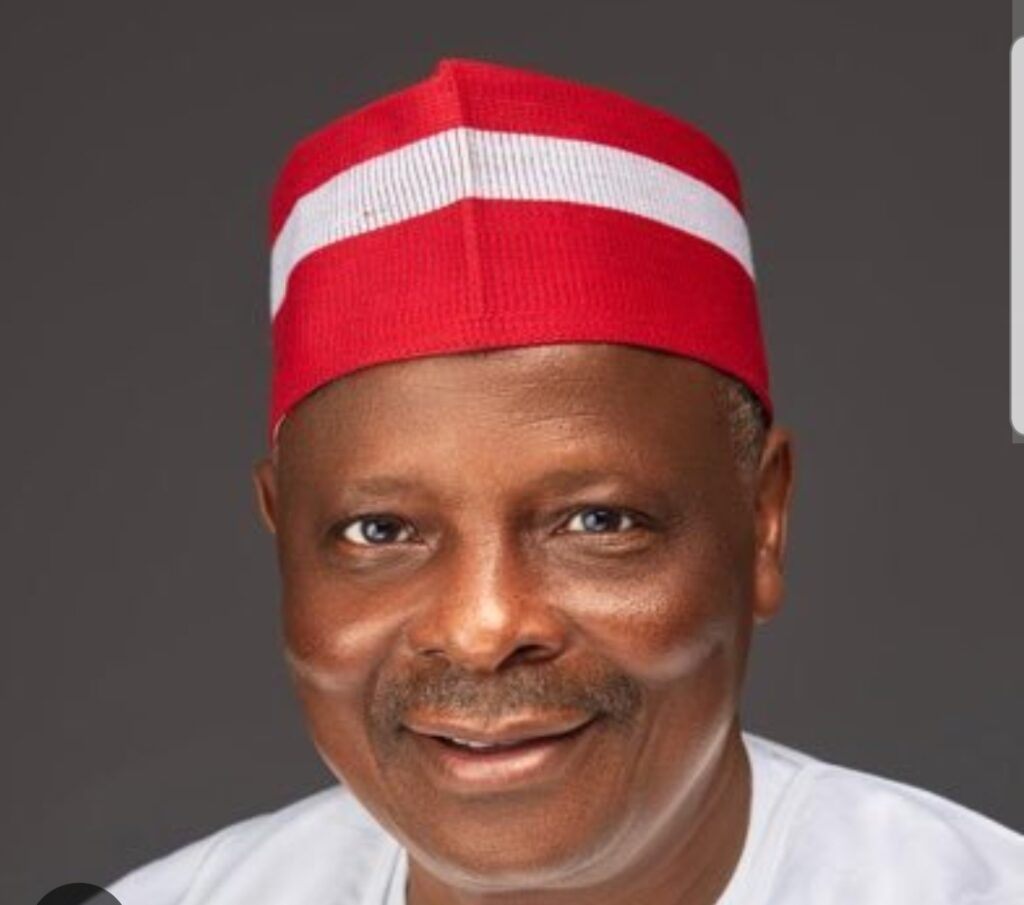
Kwankwaso’s primary influence lies in grassroots support across northern Nigeria, with some appeal in other regions.
His Kwankwasiyya Development Foundation (KDF), which evolved into the political Kwankwasiyya movement, forms the bedrock of his popularity.
A former Governor of Kano State, ex-Minister, and former Minister of Defence, Kwankwaso’s simple lifestyle and deep-rooted philanthropy have garnered him a fanatical following, particularly among young people and the working class.
Known for his open-door policy, he is celebrated as a politician genuinely concerned for his people.
His outspokenness on national issues and advocacy for a better Nigeria centered on the masses has bolstered his prominence.
His voice, as a prominent one in the north shaped by relating with everday people, is influential in shaping public opinion.
At the heart of Kwankwaso’s appeal is the blend of his political influence, developmental initiatives, and charismatic personality.