

Society
Tradefair Complex Demolition: Tokunbo Wahab Lays Out The Facts & Proof
the complex is not a “sovereign community” within Lagos State


The Lagos State Commissioner for Environment and Water Resources, Tokunbo Wahab, has clarified the legal basis for the recent demolition exercise at the Trade Fair Complex, saying contrary to widespread misconceptions, the property is not exempt from Lagos State’s physical planning laws.
Wahab, in a detailed narrative on Tuesday, said it was “disturbing” to see the level of misinformation surrounding the matter, especially claims suggesting that the Lagos State Government had no jurisdiction over the Trade Fair Complex because it is federal land.
He described such assertions as “ignorant and politically motivated,” alleging that a serving senator had deliberately fueled the narrative for political reasons.
According to Wahab, the complex is not a “sovereign community” within Lagos State and therefore falls squarely under the purview of state development control regulations.
The Commissioner explained that while the board managing the complex was created by the Federal Government, it does not possess the authority to approve or regulate physical developments independent of the Lagos State Government.
“Physical planning and building approvals are within the remit of state governments,” Wahab stated, and added that “Under the Nigerian Urban and Regional Planning Act (1992), as domesticated by Lagos State’s Physical Planning and Development Regulations, all physical development in any part of Lagos must obtain planning permits or approval from the Lagos State Government through its Ministry of Physical Planning and Urban Development.”
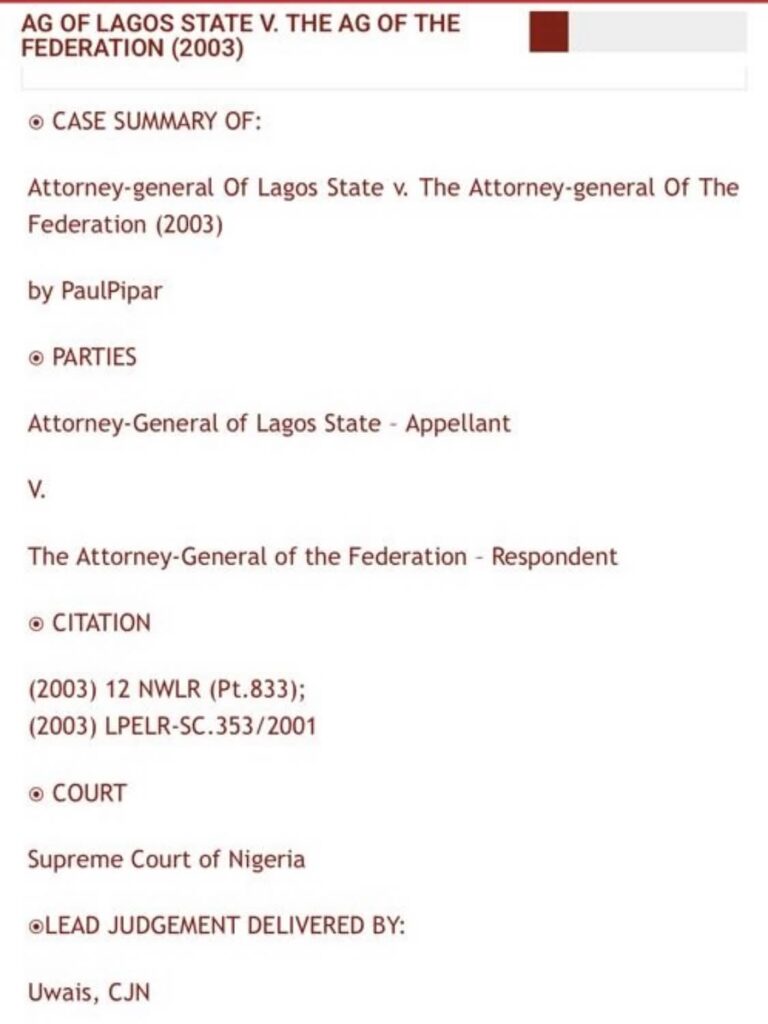
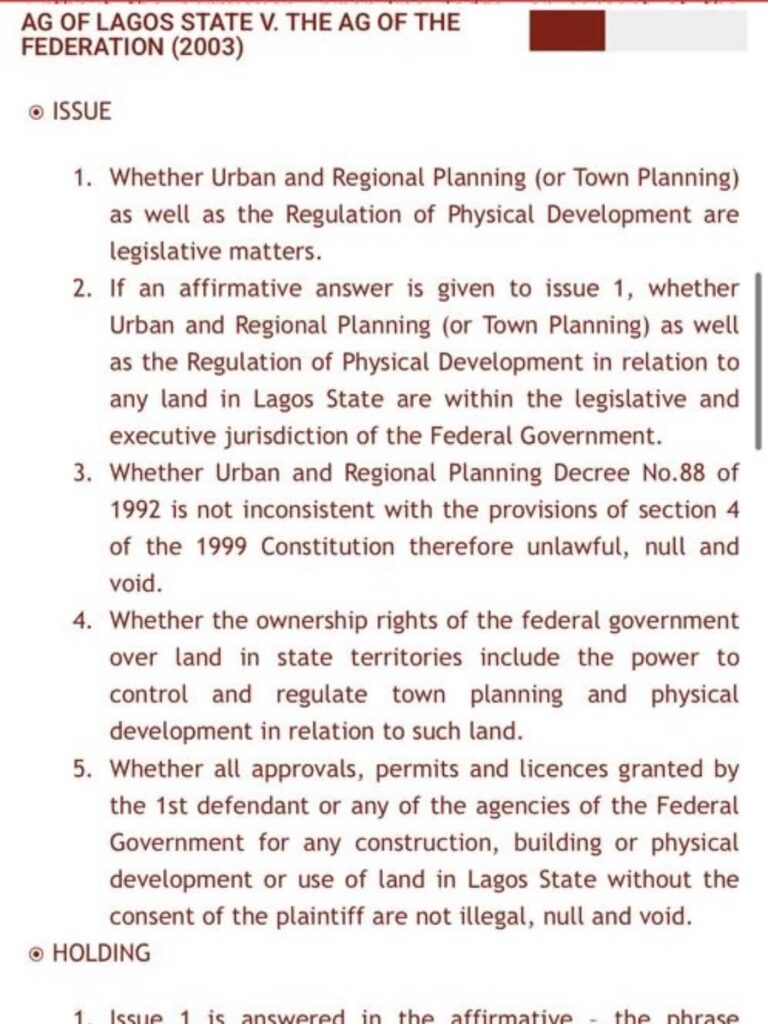
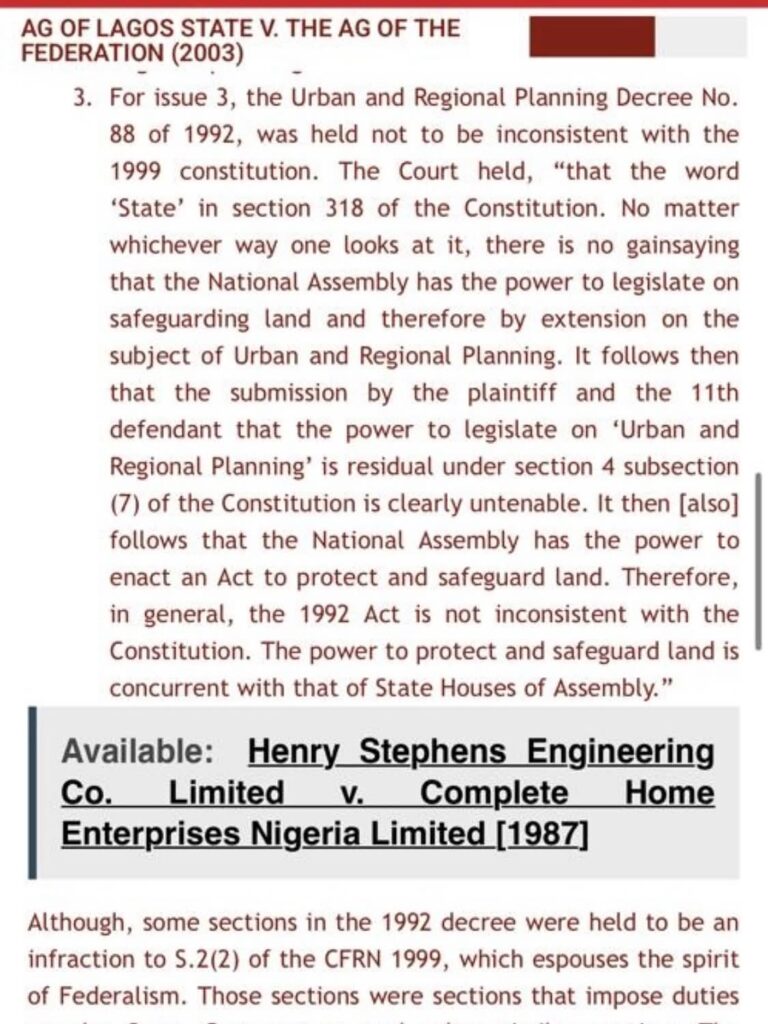
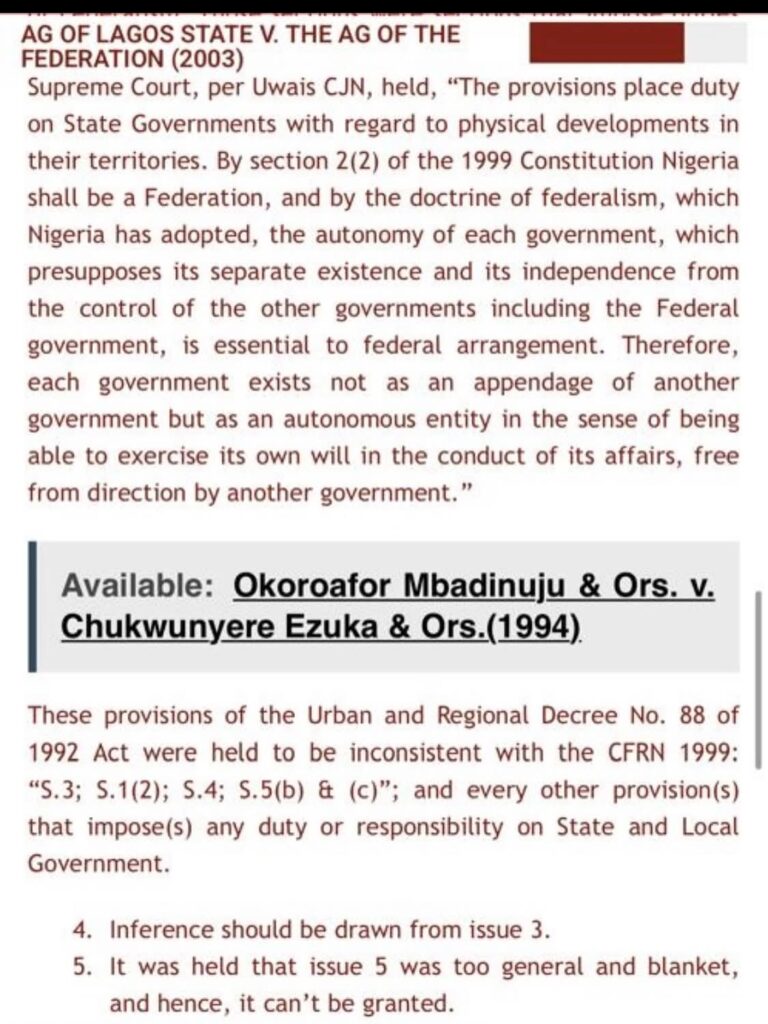
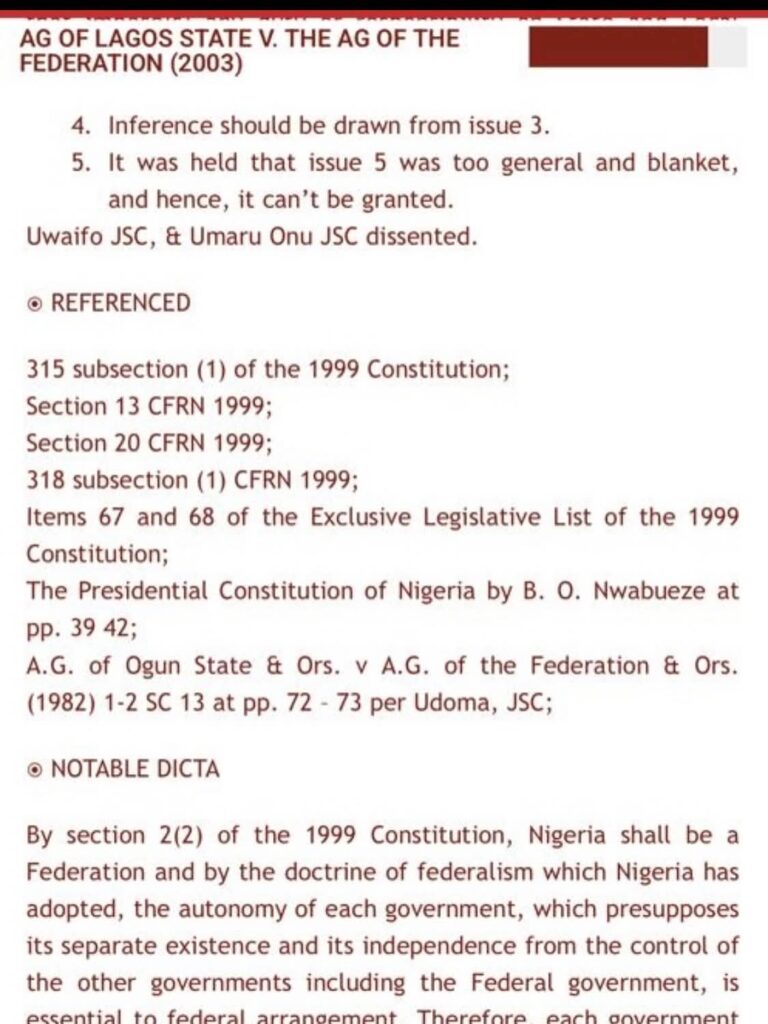
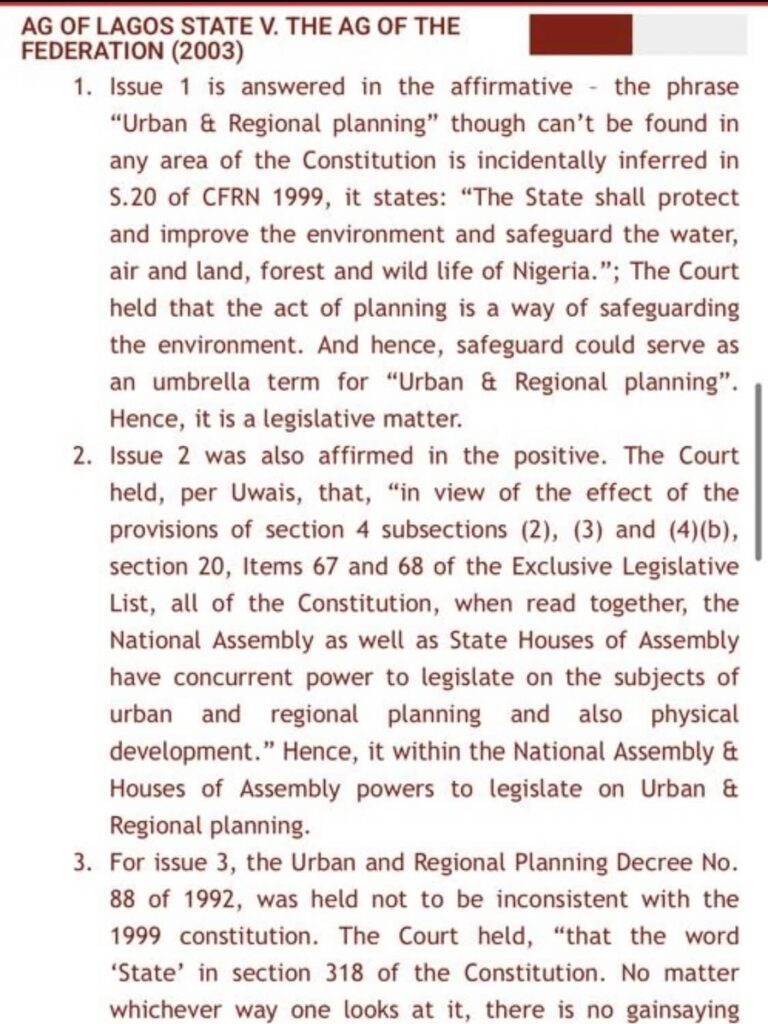
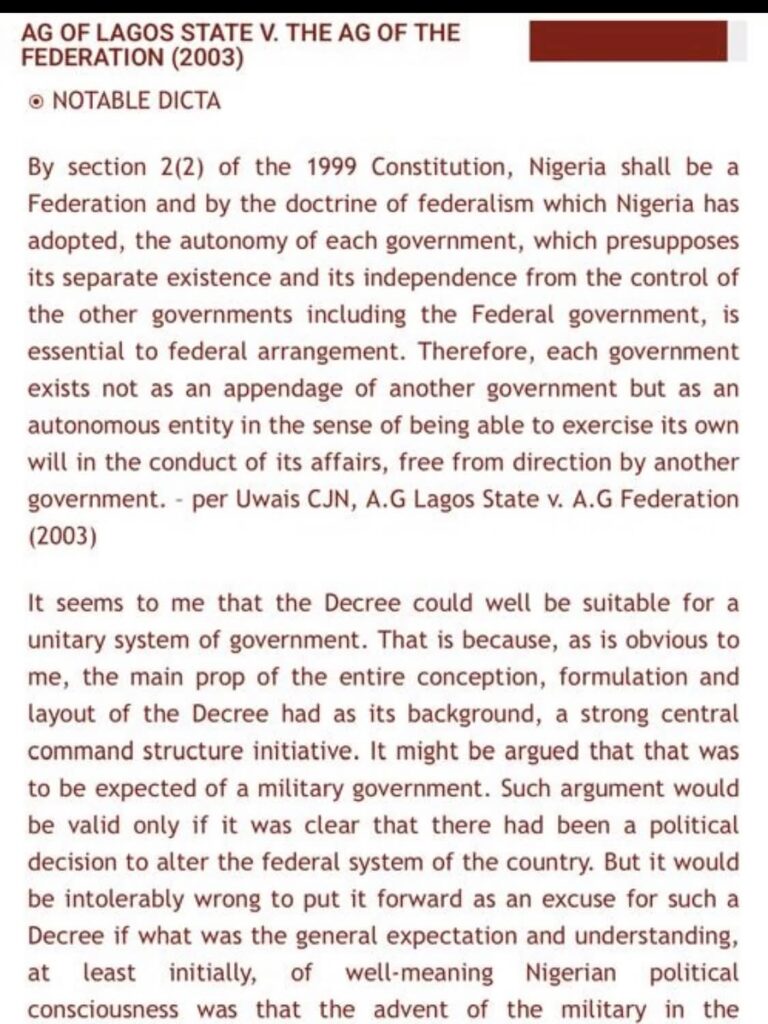
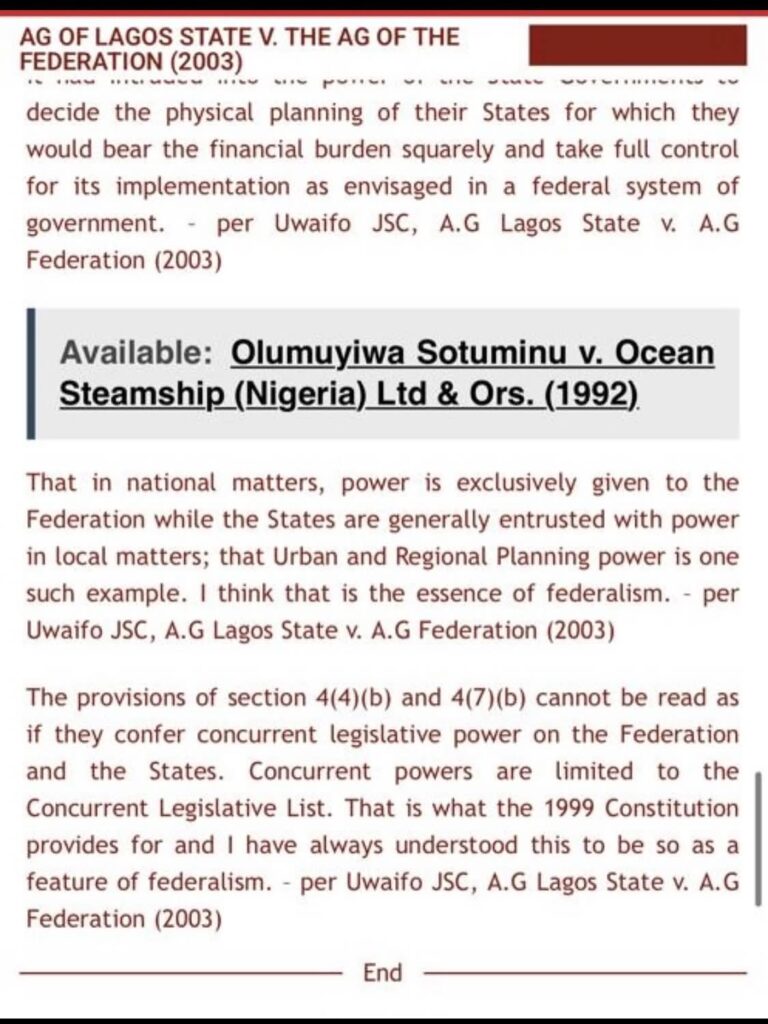
Citing a 2003 Supreme Court judgment in Attorney-General of Lagos State v. Attorney-General of the Federation, the commissioner said the apex court had affirmed that land use and physical planning fall under concurrent jurisdiction.
According to him, states retain authority to regulate development within their territories — including on federal lands — except in areas designated as core federal enclaves, such as military formations.
He further clarified that while the Trade Fair Complex Board may handle leases, tenancies, and commercial operations, any form of construction, alteration, or development within the complex still requires approval from the Lagos State Government.
Any development carried out without such approval, Wahab added, is considered illegal and subject to enforcement actions, including sealing or demolition.
The demolition of structures at the Trade Fair Complex had sparked mixed reactions from traders and political figures. Some accused the state government of overreach, alleging that the exercise targeted federal property, a particular tribe and economic interests.
Others, however, argued that the state was right to enforce planning regulations to restore order and curb illegal developments that compromise safety and environmental standards.
Wahab maintained that the state’s actions were lawful and necessary to protect the integrity of urban planning in Lagos. “These are the facts, laid bare and supported by the law,” he said, urging those affected — including public officials — to acquaint themselves with the Supreme Court ruling.
Attached to his post was a copy of the 2003 Supreme Court judgment, which he said “clearly reinforces” the Lagos State Government’s authority in regulating physical development across its territory, including the Trade Fair Complex.