

Politics
Details: How Tinubu Is Keeping Faith With The North
“Contrary to politically-motivated narratives”

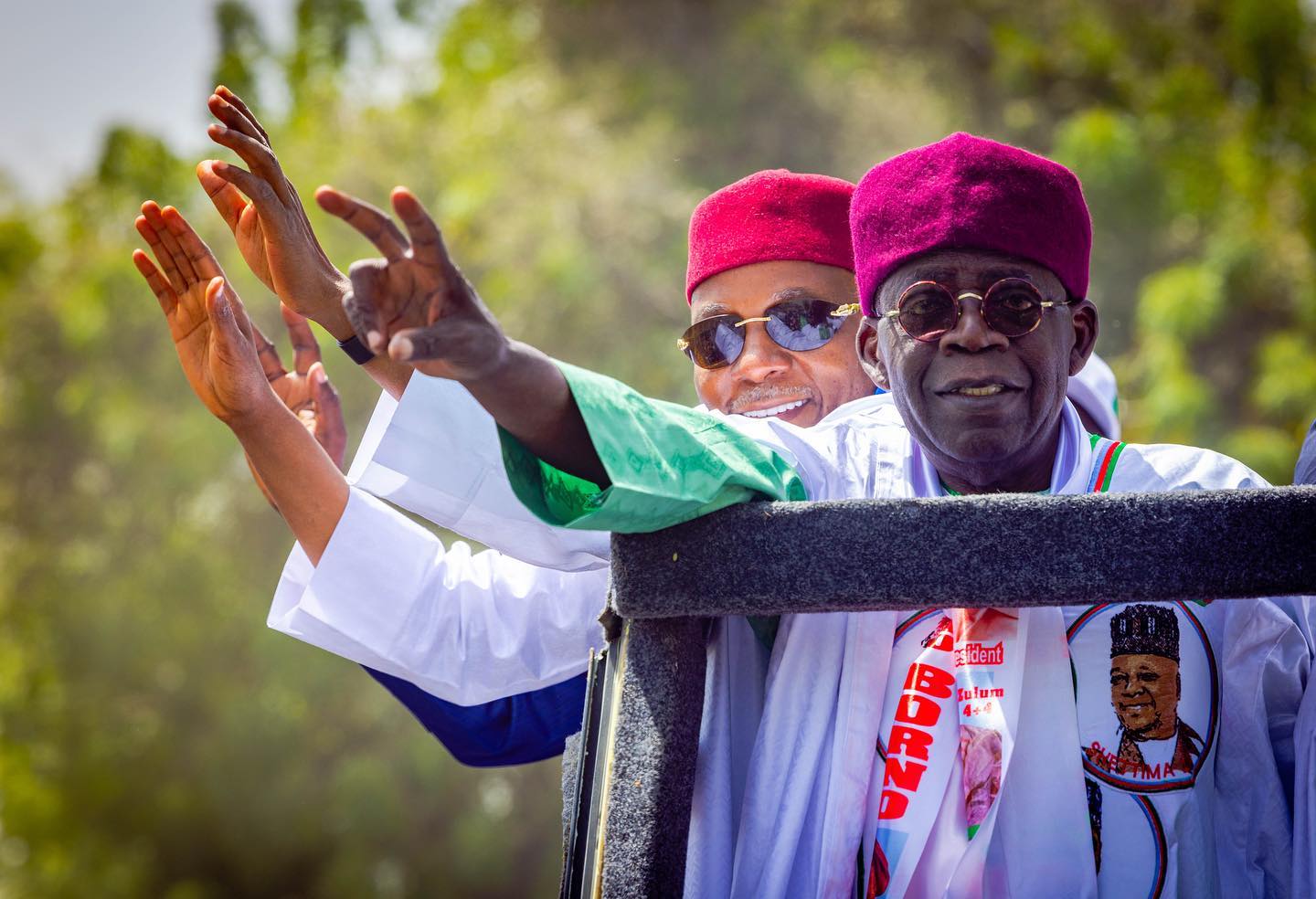
Two years into his presidency, Bola Ahmed Tinubu has kept faith with his campaign pledge to the North, delivering on infrastructure, security, agriculture and economic inclusion, despite political narratives suggesting otherwise, according to Tunde Rahman, his Senior Assistant on Media & Special Duties.
Rahman, in a August 10, 2025 piece, pushed back against claims that the administration had shortchanged the region in political appointments and infrastructure development.
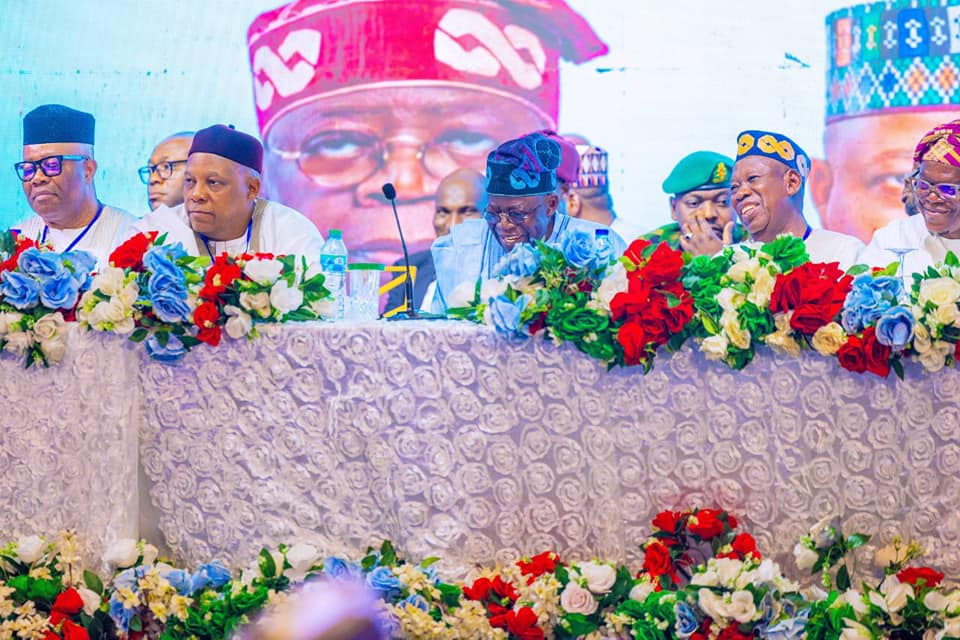
Those questions took centre stage when Northern governors, ministers and other top government officials converged on Arewa House, Kaduna, on July 29 and 30 for a two-day summit organised by the Ahmadu Bello Memorial Foundation.
The meeting, themed “Assessing Electoral Promises: Fostering Government-Citizens’ Engagement for National Unity”, was meant to review the federal government’s performance in the North since May 2023.
At the session, the verdict from many key actors was clear: President Tinubu has done a lot for the North, and whatever underdevelopment exists should be blamed on years of neglect by Northern leaders themselves. Director-General of the Budget Office, Tanimu Yakubu, disclosed that more than half of the capital budgets for 2024 and 2025 had been allocated to projects and programmes in Northern Nigeria.
“Contrary to politically-motivated narratives, Northern Nigeria is not on the margins; it is at the heart of federal investment priorities,” he said.
He cited major initiatives such as the dualisation of the Abuja–Kano Expressway, the ₦12.1 trillion Sokoto–Badagry Superhighway — spanning 1,068 kilometres, with 30% of the initial rollout already approved for Sokoto and Kebbi — the Kano–Maradi Standard Gauge Railway, the Zungeru–Kano Power Transmission Line, inland dry ports in Funtua and Bauchi, and the expansion of airport runways in Katsina, Maiduguri and Kaduna.
Rahman recalled that on October 17, 2022, in the heat of the presidential campaign, Tinubu had appeared before the Northern elite in Kaduna to outline his plans for the region.
It was a tense political atmosphere, with former vice-president Atiku Abubakar of the PDP openly courting the North on ethnic grounds, while Labour Party’s Peter Obi heightened religious and sectional appeals.
Tinubu, in contrast, promised to consolidate on Buhari-era investments, address insecurity, harness natural resources, and turn the North into Africa’s agribusiness hub through massive public-private investment.
He pledged to tackle out-of-school children, reform education in collaboration with state and local governments, improve teacher welfare, and deliver strategic road and hydropower projects.
According to Rahman, Tinubu’s administration has taken steps that reflect these promises.
On security, National Security Adviser Nuhu Ribadu said troops had subdued and eliminated key terrorist leaders who once terrorised the Kaduna–Abuja highway, with previously unsafe routes from Zamfara to Katsina, Kaduna–Abuja, and Kaduna to Birnin Gwari now safe for night travel. Ribadu argued that political considerations often prevent the administration from getting credit for such gains.
Opinions at the Kaduna summit were not entirely uniform. Bashir Dalhatu, Chairman of the Arewa Consultative Forum Board of Trustees, alleged that the government had neglected the region in budget allocations and infrastructure. “Two years into President Tinubu’s four-year tenure, the feeling among the people of the North is, to put it mildly, completely mixed,” he said, citing specific budget figures.

But Kaduna State Governor Uba Sani, Gombe State Governor Inuwa Yahaya, and Secretary to the Government of the Federation George Akume defended the president’s record, with Akume stressing that Tinubu’s decisions are rooted in fairness and inclusivity, not ethnicity or region.
Vice President Kashim Shettima, represented by Aliyu Moddibo, his Special Adviser on General Duties, also described the administration’s reforms as aligned with Nigeria’s economic reality. Minister of Budget and National Planning Atiku Bagudu added that policies were in place to transform the economy and fulfil promises made to Nigerians.
Rahman insisted that the president has kept faith with the North in critical areas, though there is still room for improvement.
He said ongoing projects such as the Sokoto–Badagry Highway, Abuja–Kaduna–Kano reconstruction, Mambilla Hydroelectric Dam, Baro Inland Port and Ajaokuta Steel Mill should be vigorously pursued. Echoing Governor Uba Sani’s position, he argued that the more pressing question for Northern leaders is whether they themselves have kept faith with their people.