


Politics
Ibori, Diri & Others Reveal How Much Alamieyeseigha Means To Bayelsa
have paid glowing tributes

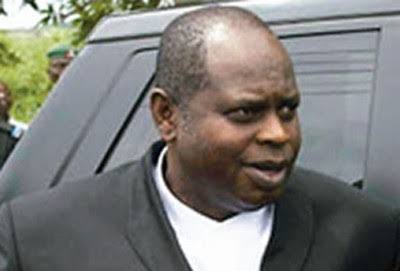
The Governor of Bayelsa State, Douye Diri, former Delta State Governor, James Ibori, and other prominent Niger Delta figures have paid glowing tributes to the late Diepreye Alamieyeseigha, describing him as a symbol of federalism, resource control, justice, and environmental rights.
Speaking at the 10th memorial anniversary of the former Bayelsa governor held in Yenagoa, Diri said Alamieyeseigha embodied the ideals of fairness and equity, values that continue to define the struggle of the Niger Delta people within the Nigerian federation.
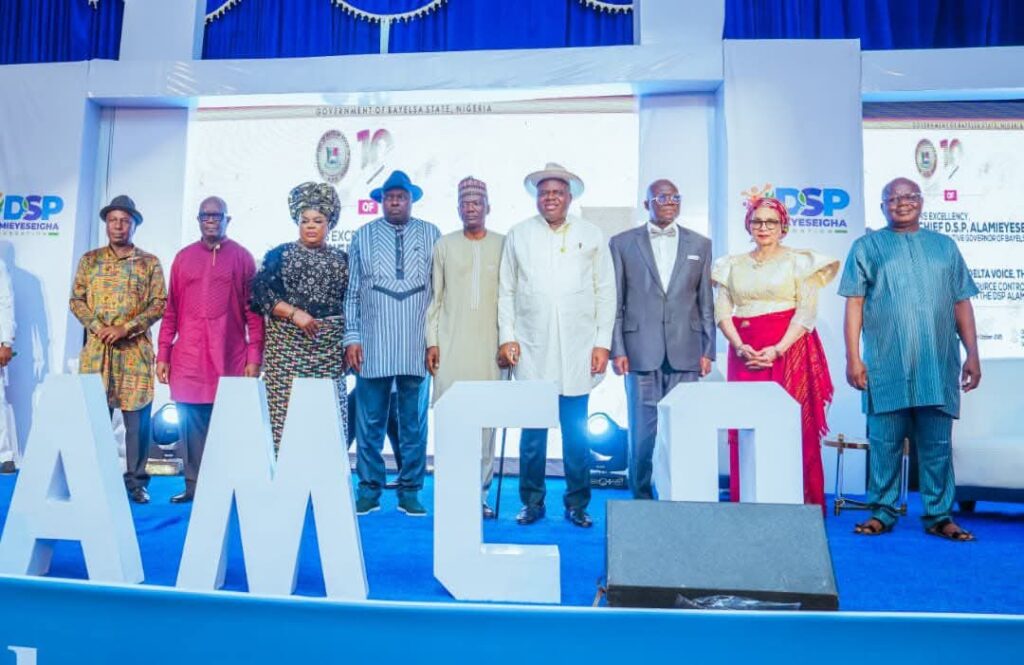
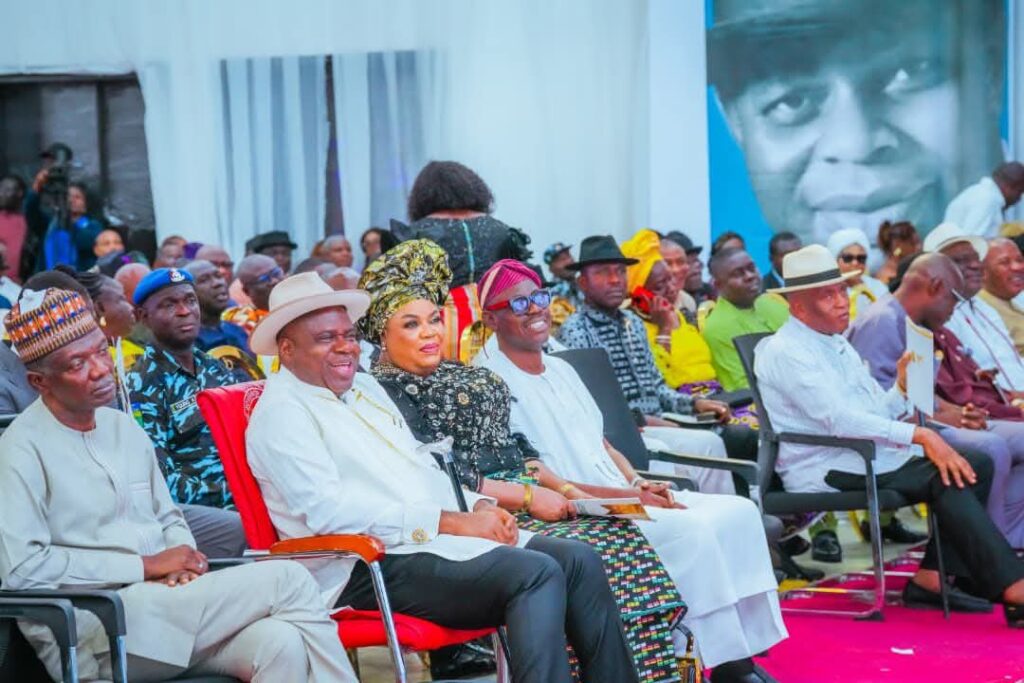
Themed “The Niger Delta Voice Through Nigeria’s Soul: Federalism, Resource Control and The Contemporary Nigerian State in the DSP Alamieyeseigha Legacies,” the event drew leaders, scholars, and activists who reflected on the enduring significance of his vision.
Diri described as an aberration the structure that allows the central government to control resources from the states, arguing that Nigeria could only thrive if it practised true federalism where sub-national units enjoyed autonomy guaranteed by the Constitution. He said the Niger Delta had been shortchanged through policies like the Land Use Act, which stripped the region of control over its natural wealth. “If we want this country to move forward, the sub-national governments should not be controlled from the centre,” the governor said. “You cannot use the resources from one region to create more local government areas in another region and starve the area where these resources are coming from. That is not federalism.”
He noted that Alamieyeseigha’s fight for resource control and justice was not just for the Ijaw nation but for Nigeria’s collective progress, urging the people of the Niger Delta to remain united in their struggle. “We have elevated party politics above our unity,” Diri lamented. “That is part of the politics of oil and gas, which is meant to keep us divided.”
In his remarks, Ibori described Alamieyeseigha as a fearless defender of his people and a close ally during their time as governors. He likened his late friend’s persecution to the suppression of visionary leaders like Martin Luther King Jr., suggesting that the challenges Alamieyeseigha faced were orchestrated by forces opposed to the ideals he represented. “The ‘bullet’ that took Alamieyeseigha was fabricated, encouraged, and delivered by the Nigerian state,” Ibori said, adding that his friend’s advocacy for equity and justice would forever resonate across the Niger Delta.
The keynote speaker, Prof. Ibaba S. Ibaba, said Alamieyeseigha’s tenure as Bayelsa’s first civilian governor marked a defining chapter in the region’s quest for justice and development. He described the Niger Delta as an emblem of Nigeria’s paradox—immense wealth existing alongside pervasive poverty—observing that Alamieyeseigha brought the region’s grievances to the forefront of national debate. According to him, federalism, for the late leader and the people of the Niger Delta, was only meaningful if it guaranteed control over resources and ensured dignity and survival for local communities.
The event, moderated by journalist Reuben Abati, featured a panel session with environmental rights activist Annkio Briggs, veteran Ijaw activist Elder Timi Ogoriba, and former Secretary to the Bayelsa State Government, Prof. Steve Azaiki. Dignitaries present included Bayelsa Deputy Governor Senator Lawrence Ewhrudjakpo, former Deputy Governor Rear Admiral Gboribiogha John-Jonah (rtd), Mrs. Margaret Alamieyeseigha, Ambassador Boladei Igali, Prof. Benjamin Okaba, Chief Ebitimi Amgbare, and Prof. Nimibofa Ayawei, among others.
Through the tributes and reflections, the gathering reaffirmed Alamieyeseigha’s place as a central figure in the Niger Delta struggle—one whose ideas on justice, equity, and self-determination continue to inspire new generations in Bayelsa and beyond.
