


Society
Explainer: Fuel Subsidy Is Not Back! NNPC Petrol Discount Explained
a commercial decision intended to provide relief to motorists

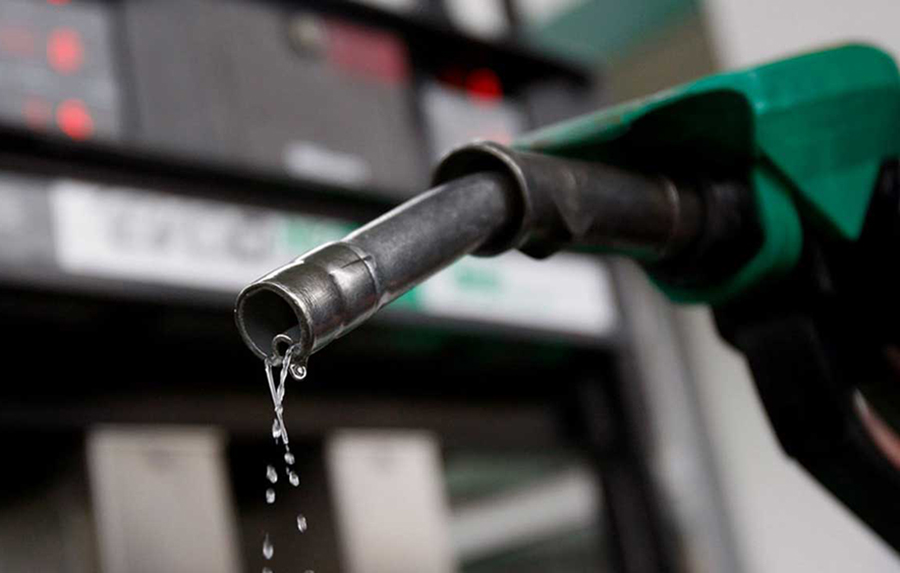
The Federal Government has dismissed suggestions that the petrol discount introduced by NNPC Retail Limited represents a return to fuel subsidy, saying the price reduction is being funded from the company’s retail margin rather than public revenue.
Taiwo Oyedele, Minister of Finance and Coordinating Minister of the Economy, said the discount, which took effect on October 1, 2026, was a commercial decision intended to provide relief to motorists while potentially strengthening the state-owned oil company’s retail business.
In a statement issued by the Federal Ministry of Finance on Friday, Oyedele said the distinction between a retailer reducing its profit margin and government subsidising the price of petrol was important to understanding the policy.
“ A margin discount means the retailer chooses to take a smaller margin, or no margin at all for a period, and passes the saving to the customer. The cost of the discount is borne by the retailer alone,” the Minister explained.
He contrasted this with a subsidy, under which government pays part of the price consumers would otherwise bear, drawing on public revenue that could have been allocated to other priorities.
“A subsidy is different. It is when government pays part of the price the consumer would otherwise pay,” Oyedele said, adding that the administration’s removal of fuel subsidy in 2023 remained unchanged.
The clarification comes amid continuing pressure on households and businesses from elevated fuel costs and renewed public scrutiny of petrol pricing following the latest discount at NNPC retail outlets.
For consumers, the immediate question is whether the reduction will provide meaningful and sustained relief. For policymakers, the issue is whether a state-owned company can lower prices without creating fiscal liabilities or undermining competition in the downstream petroleum market.
How The Discount Works
According to Oyedele, NNPC Retail purchases petrol from the Dangote Refinery and other suppliers at market prices and on commercial terms before adding its retail margin to determine the pump price.
The discount is being taken from that margin, rather than financed through the federal budget or the Federation Account, he said.
“The discount comes out of that margin alone, so the discounted pump price remains market-reflective,” the minister further stated.
The distinction matters because the government’s position is that the reduction does not require the public sector to compensate the retailer for selling petrol below its normal price.
Under the previous subsidy regime, government bore part of the cost of petrol to keep prices below levels that would otherwise have prevailed. That arrangement created significant fiscal pressure and was discontinued in 2023.
However, the absence of direct budgetary funding does not, by itself, establish the full economic cost or long-term sustainability of the current discount. Those questions depend on the size and duration of the reduction, the company’s operating costs and the volume of petrol sold during the period.
The ministry did not disclose the precise discount per litre, the duration of the initiative or the expected financial impact on NNPC Retail.
Can Lower Margins Translate Into Higher Profits?
Oyedele argued that the discount could benefit both consumers and the company by attracting more customers and increasing sales volumes.
He said a smaller margin on each litre could be offset by selling more petrol over time, while the initiative could encourage customers to remain with NNPC Retail after the discount period ends.
“A smaller margin or temporary zero margin on each litre can be more than offset by selling more litres over time,” he said.
The argument reflects a common retail strategy in which businesses accept lower margins to attract customers, increase turnover and strengthen market share.
For NNPC Retail, the potential benefit would depend on whether additional sales generate sufficient revenue to compensate for the reduction in earnings per litre.
The company’s ability to achieve that outcome would also depend on its costs, competitors’ pricing decisions and whether motorists consider the discount substantial enough to influence where they buy petrol.
Oyedele maintained that stronger retail performance could ultimately support the dividends NNPC Limited pays to the Federation.
However, the minister’s statement presented higher profits and dividends as a possible outcome rather than a guaranteed result, and it did not provide financial projections to quantify the expected gains.
NNPC Retail’s commercial role
NNPC Retail Limited is a wholly owned subsidiary of NNPC Limited. According to the finance minister, the retail company began operations more than two decades ago to support the nationwide availability, distribution and affordability of refined petroleum products.
Oyedele said its role included helping moderate retail prices, rather than focusing exclusively on maximising profit.
The current discount, he added, was consistent with that commercial purpose and represented a decision that other retailers could also make.
The position places the initiative within the broader changes in Nigeria’s downstream petroleum market following subsidy removal and the expansion of domestic refining capacity.
With petrol available from domestic refiners and other suppliers, retail prices remain influenced by procurement costs, distribution expenses, operating margins and competition among marketers.
A retailer can choose to reduce its margin, but the extent to which that decision benefits consumers depends on the resulting pump price and the availability of comparable offers elsewhere.
Will The Discount Encourage Petrol Smuggling?
The government also rejected concerns that the reduction could distort regional price differences or create fresh incentives for cross-border smuggling.
Oyedele said the retail margin accounted for less than five per cent of the pump price and argued that a discount confined to that margin would not materially widen the price gap between Nigeria and neighbouring countries.
He said petrol prices in neighbouring countries were already 20 to 40 per cent higher than those in Nigeria.
“ A discount within that margin cannot meaningfully widen the gap between prices in Nigeria and in neighbouring countries,” the minister said.
The argument is that the scale of the discount is too small to recreate the price distortions associated with a subsidy regime that kept domestic petrol prices artificially low.
Nevertheless, the actual effect on cross-border trade would depend on prevailing prices, the size of the discount and enforcement against illegal movements of petroleum products.
The ministry did not provide comparative pump prices for individual neighbouring countries or data measuring the discount’s likely impact on smuggling.
Beyond The Petrol Discount
Oyedele acknowledged that fuel prices continued to weigh on households and businesses, describing the NNPC Retail initiative as one of several measures intended to ease the burden.
Others, he said, included the expansion of compressed natural gas-powered transport, waivers of taxes and duties on petrol, and the removal of illegal levies that increase transportation costs.
The government’s stated objective is to provide relief without returning to a subsidy system that it considers fiscally unsustainable.
For consumers, however, the ultimate test will be the size of the savings at the pump and how long they last. For the government, it will be whether the initiative delivers relief without creating hidden fiscal costs or weakening the commercial performance of NNPC Retail.
The finance minister’s central message is that lower petrol prices do not automatically mean a return to subsidy.
“A subsidy spends public money to lower the price of fuel,” Oyedele said in the statement’s concluding argument, insisting “The NNPC Retail discount lowers the price without spending any public money.”
Whether the strategy delivers a lasting benefit to motorists while improving the retailer’s financial performance will depend on how the discount operates in practice and how the market responds.