

Society
“Fuel Subsidy Removal Has Not Been Painless, But It Was A Hole In The National Purse” — Sanwo-Olu
kicked against calls for the return of fuel subsidy

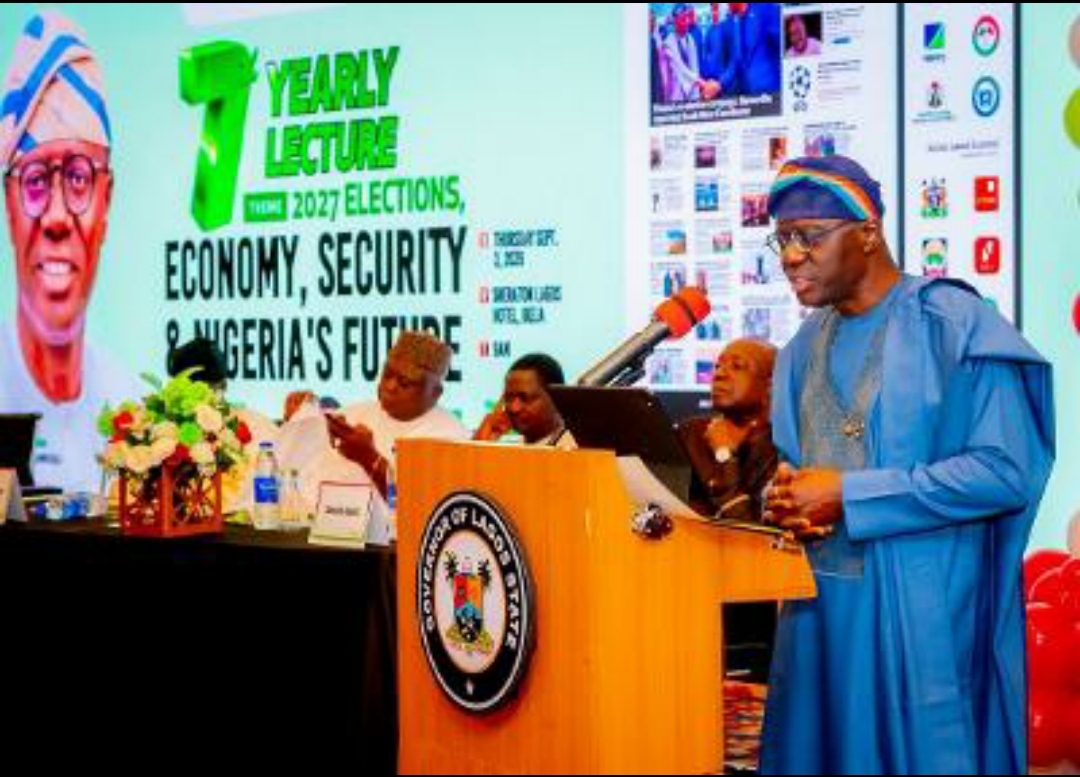
Lagos State Governor, Babajide Sanwo-Olu, has kicked against calls for the return of fuel subsidy, describing politicians campaigning on the promise as engaging in populist politics and making promises that the national treasury cannot sustain.
Sanwo-Olu said the subsidy regime had become a drain on the nation’s finances, arguing that resources that should have been deployed to infrastructure and public services were instead being used to sustain a policy that failed to adequately benefit Nigerians.
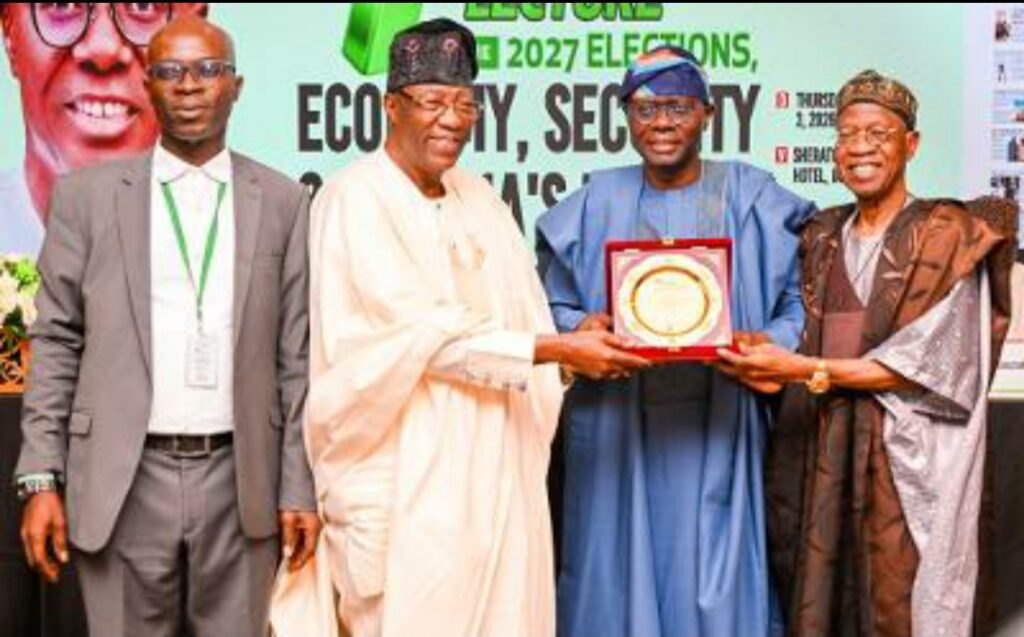
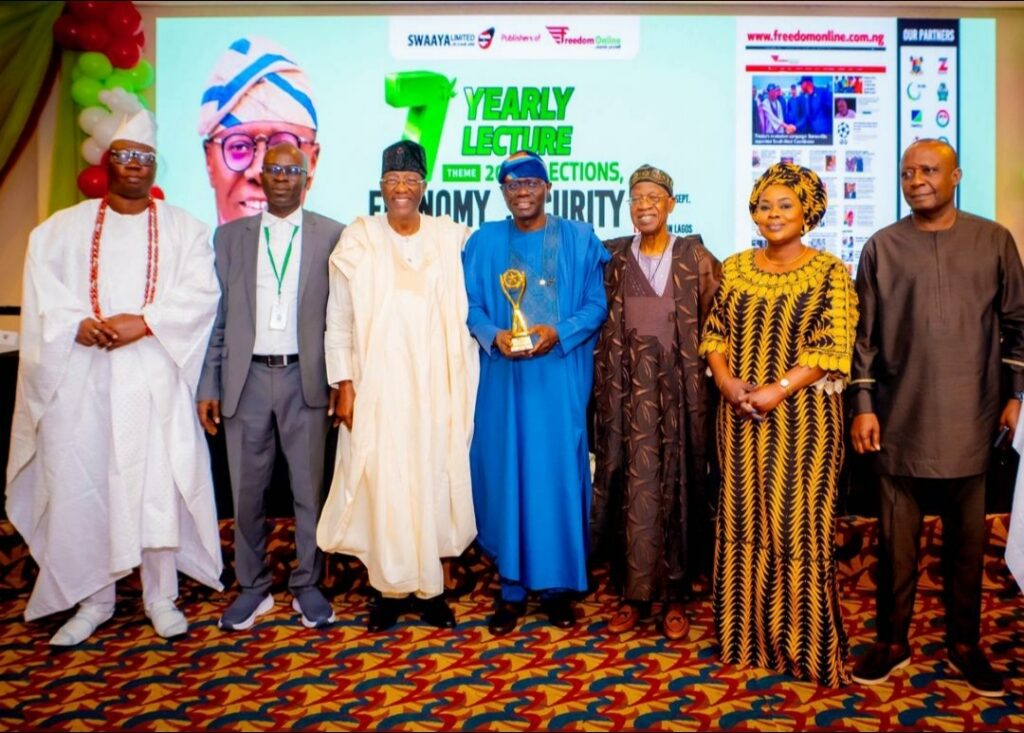
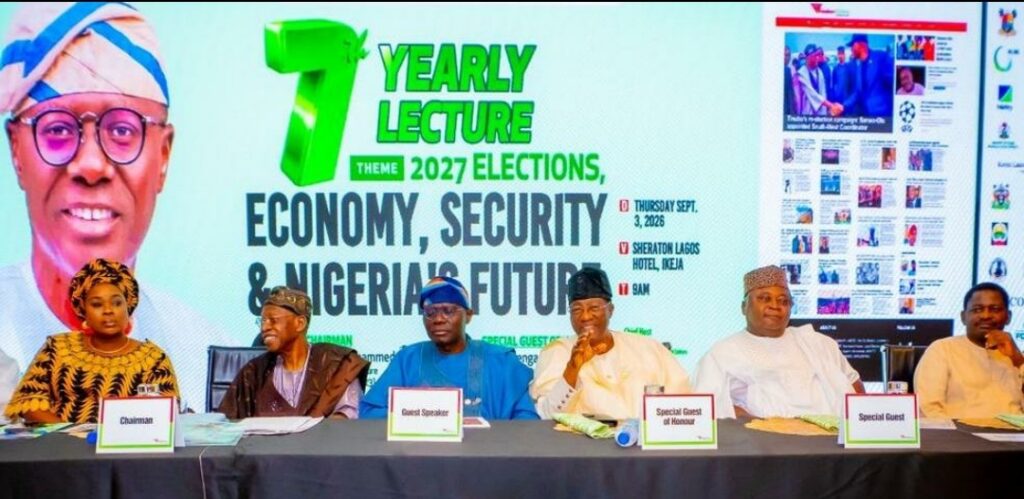
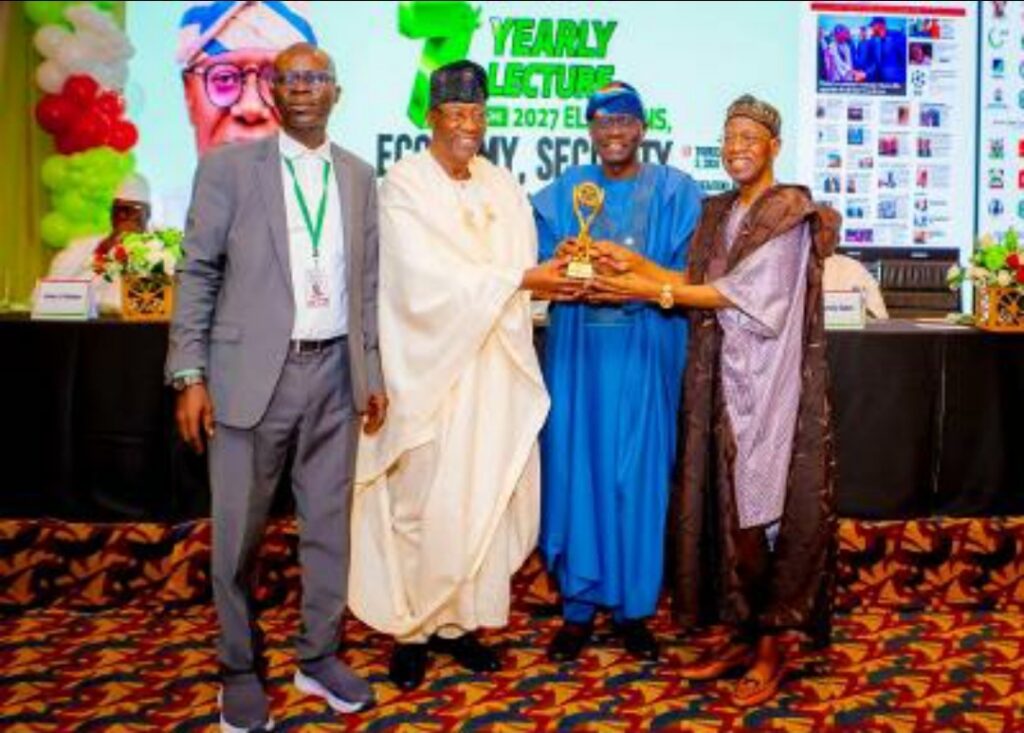
The governor spoke on Thursday while delivering a lecture on the 2027 elections, economy, security and Nigeria’s future in Lagos.
He said the subsidy was originally introduced to address the shortcomings of domestic petroleum supply arising from inefficiencies in state-owned refineries, but was never intended to become a permanent intervention.
According to him, the decision by President Bola Tinubu to remove the subsidy on assumption of office was a difficult but necessary step to address the financial burden it imposed on the country.
“The oil subsidy was not removed because anybody enjoyed removing it. It was removed because it had become a hole in the national purse through which the money for roads, schools and hospitals was draining away,” Sanwo-Olu said.
Adding, “The intervention was never reaching the ordinary motorist it was supposed to help. In the build up to the 2023 elections, every major candidate promised to remove it. Only one of them was in a position to do it, and he did it on his first day in office.”
The governor, however, acknowledged the hardship caused by the policy’s removal, saying Nigerians, particularly Lagos residents, had felt its impact through higher transportation and food costs.
“I will not stand here and tell you that oil subsidy removal has been painless. It has not. Lagosians particularly have felt it at the pump, at the market, and in the price of a bag of rice,” he said.
And, insisted “Any governor who tells you otherwise has not been listening to his own people. But, the measure of a reform is not whether it hurts. It is whether it heals. And the evidence that this one is healing is now arriving, quarter by quarter.”
The Lagos governor, however, said the increased revenue available to the three tiers of government following the subsidy removal was evidence that the reform was beginning to produce results.
“Under President Tinubu, the States have had it very good. Since the subsidy was removed, the monthly allocations to States and local governments have more than doubled in Naira terms. The President has done his part; the money is arriving,” Sanwo-Olu disclosed.
He warned that the renewed political campaign ahead of the 2027 elections would see opposition politicians promise the return of fuel subsidy, describing such pledges as unsustainable.
“Barely two weeks into the season of presidential election campaign, opposition politicians have reached for the fuel subsidy as their instrument of choice. We will see more of this. We will see promises that no treasury on earth could honour,” the governor said.
The governor expressed support for the economic reforms of the Tinubu administration, saying available economic indicators suggested that the measures were beginning to yield positive results.
He said Nigeria’s economy grew by 4.43 per cent in 2026, compared with 3.89 per cent in the first quarter, while the first-quarter 2025 growth rate stood at 4.23 per cent.
The governor added that the agricultural sector grew by 4.39 per cent, compared with 2.82 per cent a year earlier, while the services sector recorded 4.6 per cent growth.
“In nominal terms, the national economy is more than 18 per cent larger than it was twelve months ago. Our external reserves stood at $53 billion last week, the highest they have been since January 2009. We are running a trade surplus,” Sanwo-Olu said.
He also cited the decline in inflation and improved foreign exchange stability, saying inflation, which peaked at almost 35 per cent at the end of 2024, had fallen to 15.9 per cent in June.
The governor further said Nigerians in the diaspora sent $947 million through formal channels in July, describing it as the highest monthly figure recorded.
“These statistics are not my numbers; they belong to the National Bureau of Statistics and the Central Bank of Nigeria, and every journalist seeking facts can check them,” he said.
On the 2027 elections, Sanwo-Olu said Nigeria’s democratic system had continued to evolve despite democratic reversals in some West African countries.
He said electoral reforms, including the Electoral Act and technology for voter verification and result transmission, had helped strengthen the country’s electoral process.
“Our elections have improved. Anyone who covered the elections of the 2000s knows how far we have come. Much of that distance was travelled under the All Progressives Congress’ watch,” he said.
“This is not the moment to rest on our oars. INEC must be ready in every polling unit on January 16, 2027, and again on February 6, 2027. Each of us has a duty to help the electoral umpire be ready.”
On security, the governor said the effectiveness of the government’s approach remained a matter of individual perception, but noted that President Tinubu had prioritised security while also addressing poverty and youth unemployment, which he identified as drivers of insecurity.
He listed the expansion of the Nigerian Army from eight to 12 divisions, additional personnel, the creation of a Navy Special Operations Command, decentralisation of police training and the deployment of Forest Guards and Mining Marshals among measures taken by the administration.
Sanwo-Olu also highlighted youth-focused initiatives, including the Nigeria Education Loan Fund, Consumer Credit Corporation, 3 Million Technical Talent programme and reforms to the National Youth Service Corps.
He said the interventions were designed to address the economic conditions that could make young Nigerians vulnerable to insecurity.
Former Minister of Information and Culture, Lai Mohammed, who chaired the lecture, said political stability depended largely on economic inclusion and that security remained a prerequisite for economic growth.
Mohammed said: “When young people are gainfully employed and see a clear path to self-actualisation, the political space becomes far less susceptible to manipulation and electoral violence.
“The 2027 election must be viewed not merely as a contest for power, but as a commitment to continuity and nation-building.”
He urged politicians to ensure that the pursuit of political power did not undermine governance, saying the success of democracy should be measured by its ability to strengthen institutions, boost investor confidence and preserve peace.
While acknowledging the Federal Government’s efforts to tackle economic and security challenges, Mohammed said the problems could not be resolved overnight.
“They require consistency, patience, institutional strengthening and, above all, national cooperation,” he said.