

Society
Lagos Installs Cutting-Edge Pontoons To Modernise Water Travel Under €410m Omi Eko Project
Alebiosu explained that the floating structures are designed to eliminate the long-standing fear

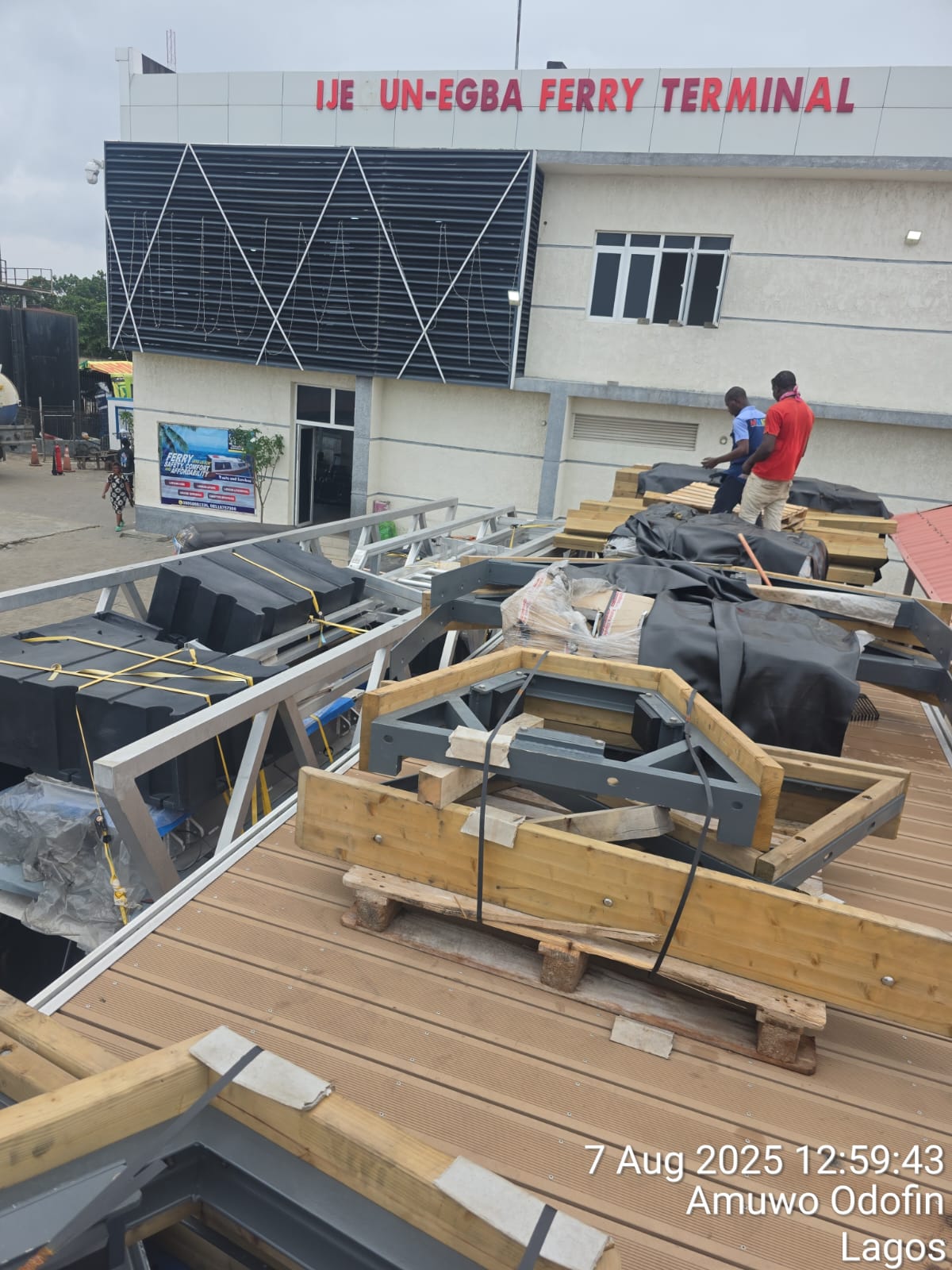
The Lagos State Government has begun installing modern concrete floating pontoons across strategic jetties as part of an accelerated push to upgrade water transport infrastructure and deliver a safer, more efficient commuting experience for residents.
Commissioner for Waterfront Infrastructure Development, Dayo Bush Alebiosu, who disclosed this during an interaction with journalists in Lagos, said the installations mark another milestone in the state’s broader plan to modernise its waterways under the €410 million Omi Eko Project.
According to him, the new pontoons—rigid concrete platforms engineered to float, absorb wave pressure and provide stable docking—are already being deployed in Agboyi Ketu in Kosofe, Ijegun Egba in Amuwo Odofin, and Bayeku in Ikorodu.
More installations are scheduled for Ebute Ero, Ijede, Apa in Badagry, Mile 2, Mowo in Ojo and several other strategic waterfront communities.
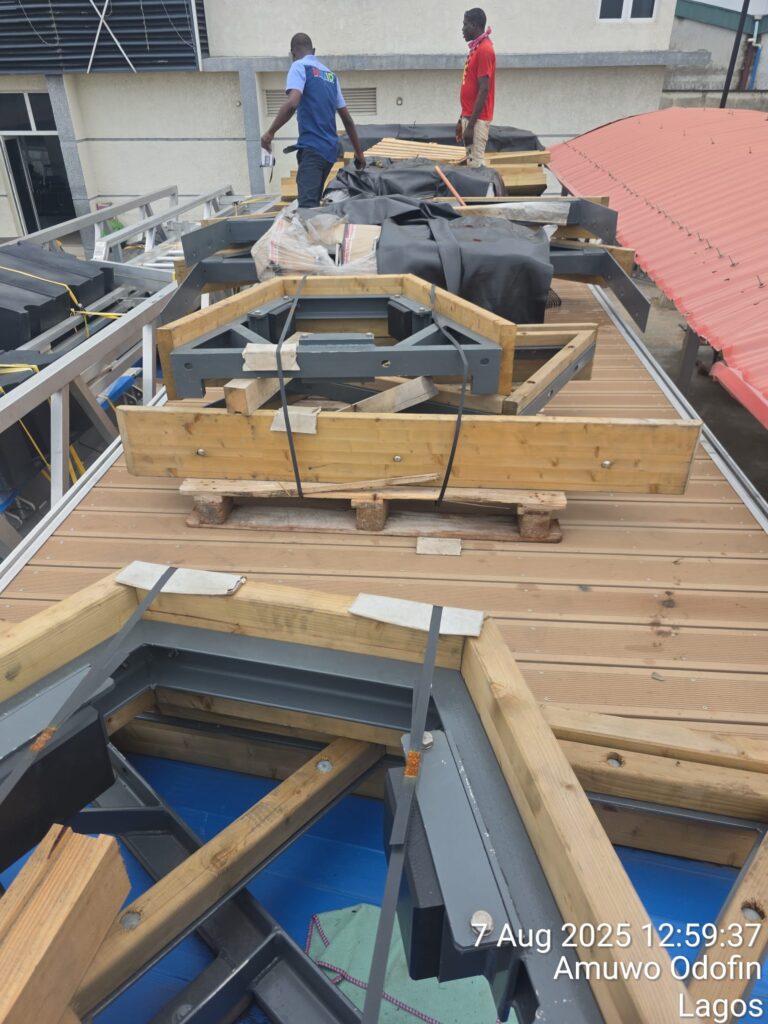
Alebiosu explained that the floating structures are designed to eliminate the long-standing fear many commuters experience when boarding boats from unstable wooden or metal platforms.
He said the concrete pontoons provide a steady, level surface that feels almost like boarding from solid ground. He added that their modular build allows them to double as temporary bridges during flooding or erosion, a feature already tested in other regions with similar installations.
The cabinet member famously known as “DBush” noted that while the Falomo Jetty currently operates a partial setup with a two-sided pontoon, the new installations being rolled out are six-sided rigid pontoons that support 360-degree docking and better crowd movement.
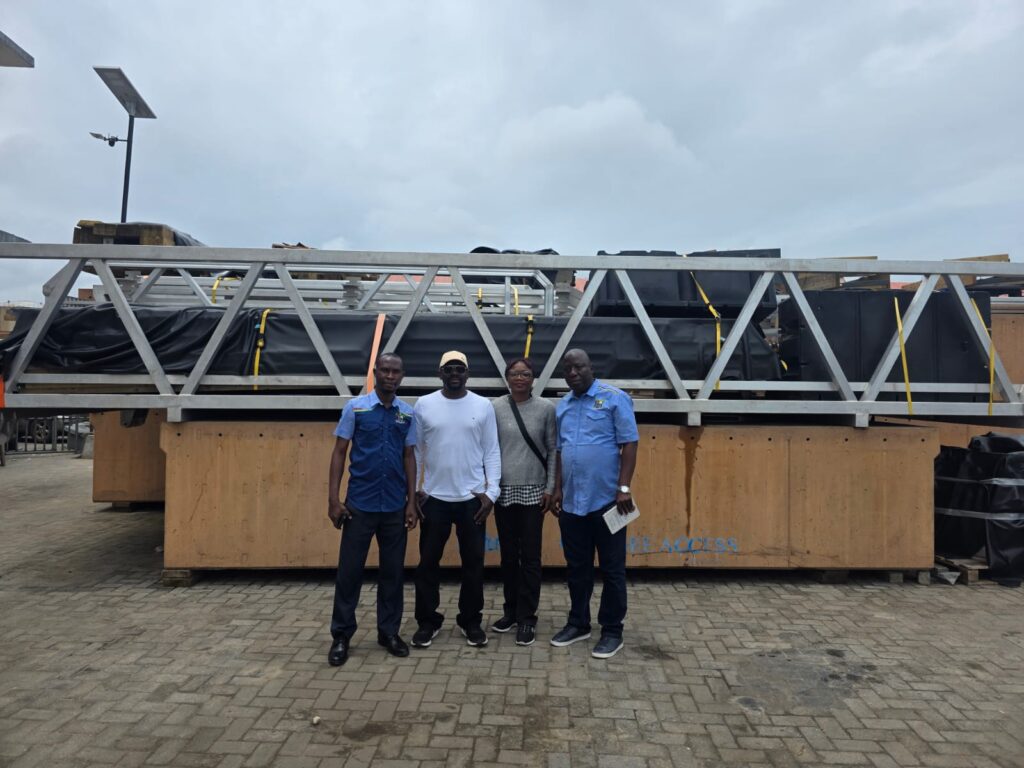
The pontoon upgrade is one of several components of the Omi Eko Project, an ambitious programme that aims to modernise Lagos’ entire water transport ecosystem by 2030. The initiative includes the introduction of 78 high-capacity electric ferries, dredging and channelisation of 15 routes, expansion of 25 terminals, and the integration of a unified digital ticketing system via the Cowry Card to enable seamless transfers across ferries, buses and the Lagos Metro.
Beyond infrastructure, the project seeks to reduce road congestion, enhance commuter safety, cut greenhouse emissions through electric vessels, and build climate resilience as sea levels rise.
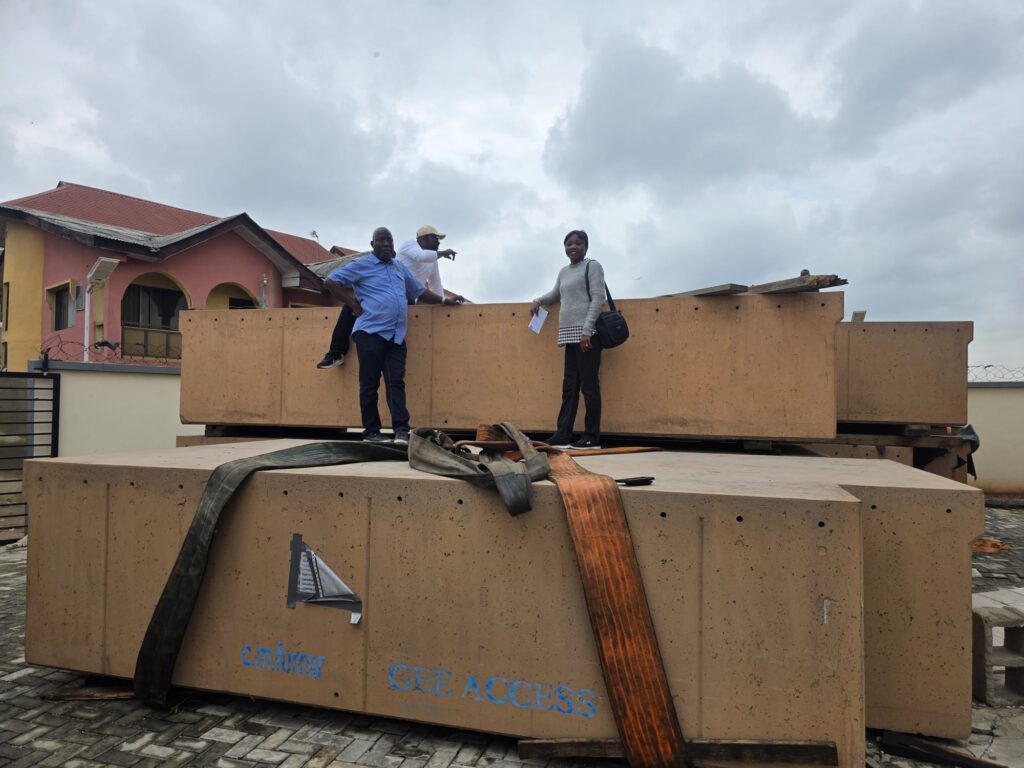
The programme is jointly funded by the French Development Agency, the European Investment Bank and the European Union.
Alebiosu reaffirmed that the state is positioning water transport as a central pillar of its intermodal mobility plan, aligned with Governor Babajide Sanwo-Olu’s THEMES+ agenda. He said the government remains committed to inclusive development that improves daily life for millions who depend on public transport.
“This is more than infrastructure — it is about transforming how Lagosians move, work and connect,” he said. “We are building a safe, sustainable and globally competitive water transport system that complements our roads and rail.”