

Politics
Why Insiders Say Gov Eno’s Move To APC Is A Major Win For Akwa Ibom
For many observers, this defection is more than a routine political switch

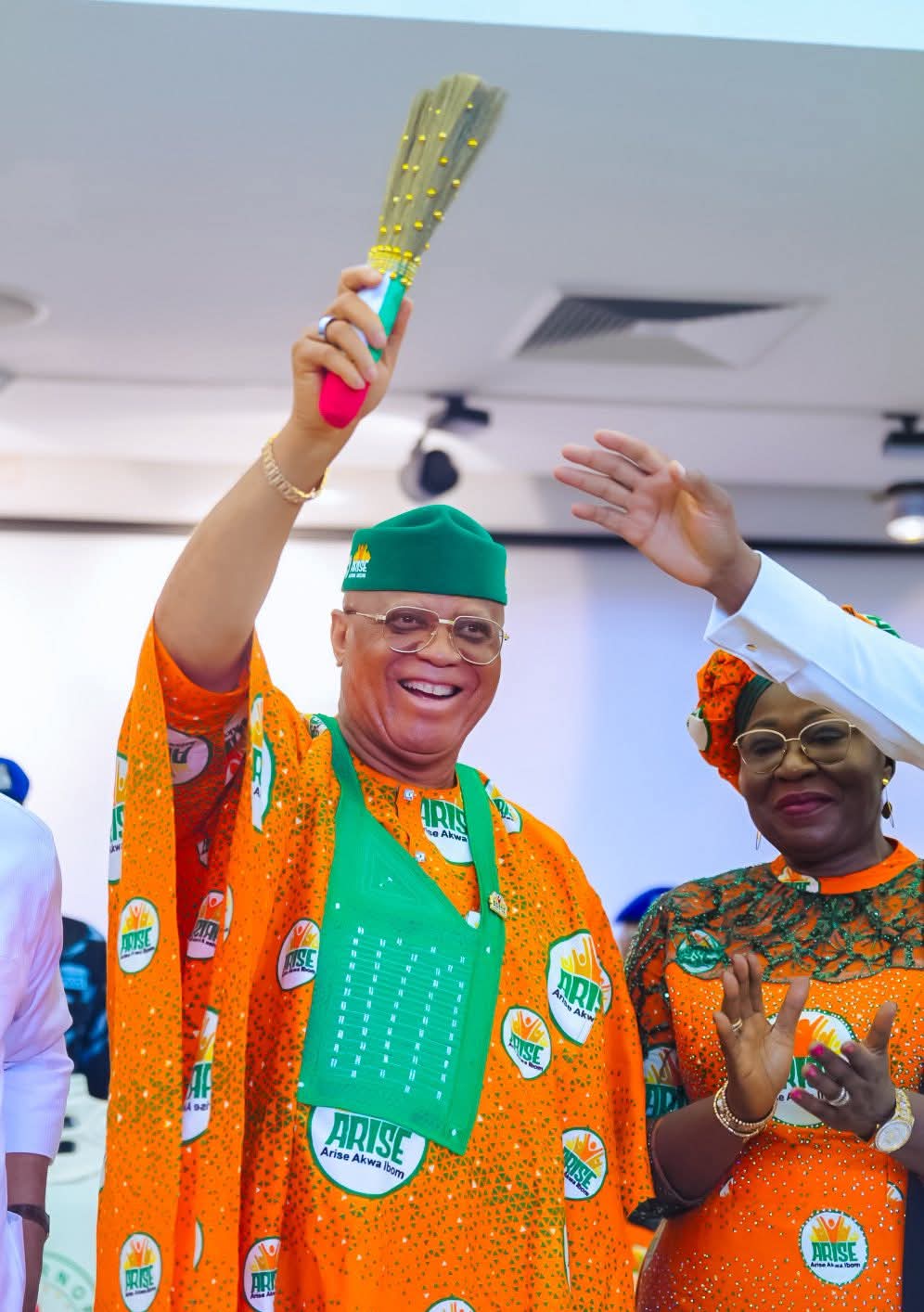
Insiders say Governor Umo Eno joining the All Progressives Congress (APC) is a major win for his state, Akwa Ibom.
The Governor announced the move, which ended the People’s Democratic Party’s (PDP) 25-year dominance in the state, on Friday, June 6, 2025, in the state capital, Uyo.
Governor Eno joined the APC with virtually all the key political actors from the PDP, particularly his appointees.
For many observers, this defection is more than a routine political switch—it’s a calculated strategy to align the state with the party in control of Nigeria’s federal government, unlocking a host of benefits that could catalyze progress across key sectors.

Governor Eno, a former successful entrepreneur and seasoned public servant, rose to prominence as a consensus-builder known for his pragmatic approach to governance. Since assuming office, he has prioritized inclusive development, investing in agriculture, education, and infrastructure.
His leadership style—marked by accessibility and a knack for bridging political divides—has earned him a reputation as one of the most unifying figures in Akwa Ibom’s recent political history.
Insiders suggest that Eno’s move to the APC reflects a keen understanding of Nigeria’s political realities. By aligning with the party in control at the federal level, Akwa Ibom stands to gain increased support for critical infrastructure projects, such as the long-awaited Ibom Deep Sea Port. The project, which promises to transform the state into a key logistics and maritime hub, requires significant federal involvement and funding—something a state government aligned with the federal administration is more likely to secure.
Beyond infrastructure, political alignment with the APC would also open doors to greater federal appointments and resources. Akwa Ibom’s presence in key federal ministries and parastatals would give it a stronger voice in national decision-making, ensuring that the state’s interests are represented when policies and budgets are crafted.
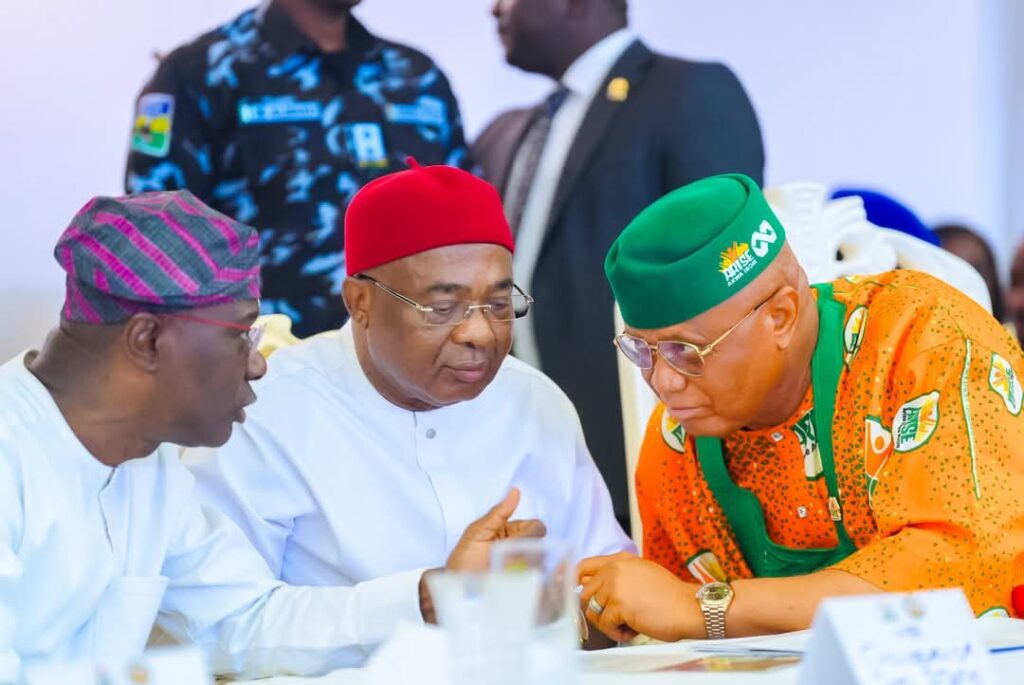
Governor Eno’s collaborative relationship with influential APC figures, including Senate President Godswill Akpabio, would further position the state to benefit from federal programs and interventions.
Observers note that Eno’s move also promotes greater political stability within Akwa Ibom. His tenure has been marked by efforts to unify disparate political factions, and aligning with the APC is expected to consolidate this harmony by reducing political rivalries and fostering a more collaborative atmosphere. Such unity is crucial for attracting investors, ensuring consistent development, and sustaining growth across sectors.
Moreover, this move could streamline access to federal funding for ecological challenges that have long plagued the state, such as erosion and flooding.
Eno has already engaged the federal government on the issue of refunds for state-funded ecological projects, and aligning politically could smooth the path to securing timely support for these pressing needs.

The impact of Eno joining the ruling party at the center extends beyond immediate gains. It would also amplify Akwa Ibom’s influence in national politics, giving the state a seat at the table where major decisions are made.
With the APC controlling both the National Assembly and the executive branch, Akwa Ibom’s alignment would ensure that its developmental priorities are reflected in national plans, boosting the state’s ability to shape Nigeria’s broader economic agenda.
Many in Akwa Ibom see the governor’s move to the APC as a transformative opportunity rather than mere politicking. “For a state that has long prided itself on its rich human and natural resources, Eno’s move is seen in many quarters as the key that unlocks a new era of growth, development, and influence on the national stage,” according to information circulating among political insiders and stakeholders.