

Business
Two Years Of Tinubu: Abdul Samad Rabiu Delivers Compelling Verdict On President’s Bold Economic Reforms
reshaping the Nigerian business environment for the better

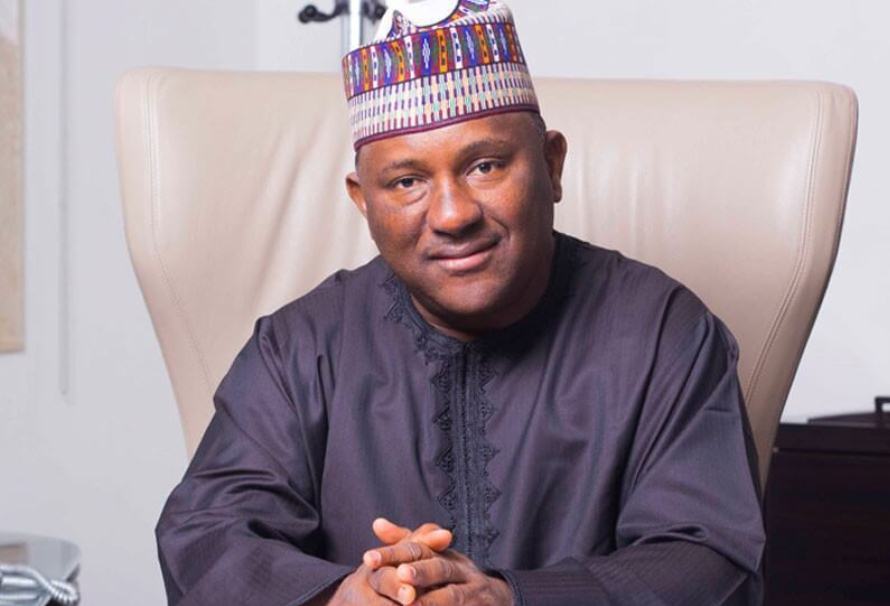
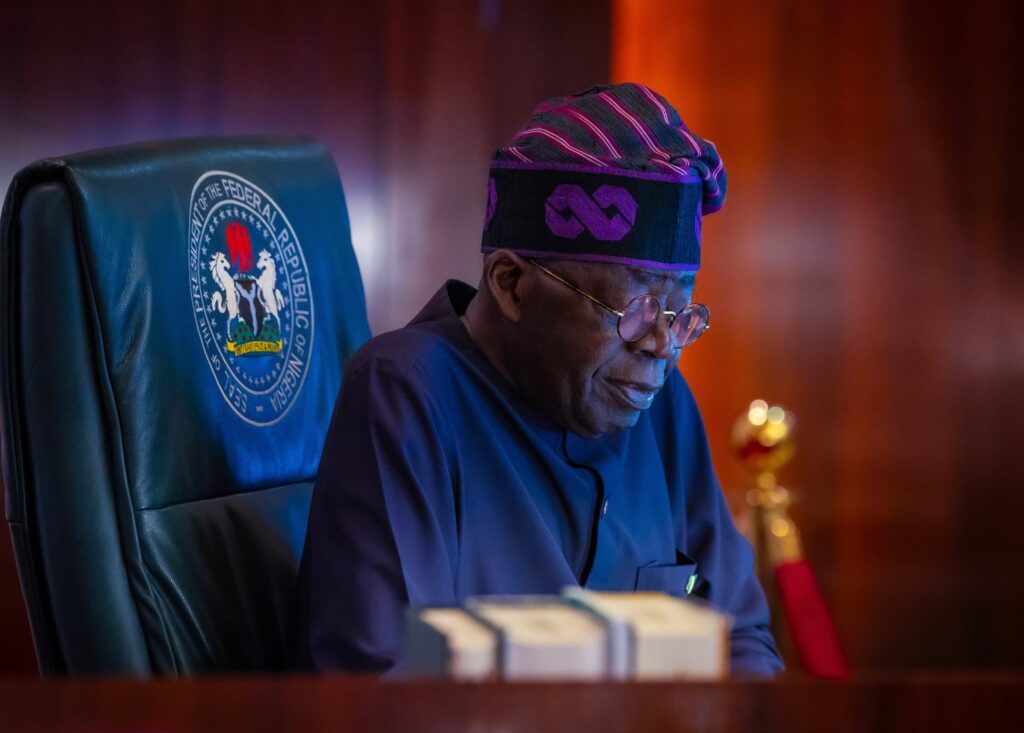
As Nigeria marks two years under the leadership of President Bola Ahmed Tinubu, Abdul Samad Rabiu—one of the most respected names in African business and Chairman of the multi-billion dollar BUA Group—has delivered a compelling verdict: President Tinubu’s economic reforms are bold, timely, and already reshaping the Nigerian business environment for the better.
In a detailed reflection, Rabiu, whose conglomerate spans cement, sugar, foods, and energy sectors, offered a candid, business-focused assessment of Tinubu’s administration, highlighting key policy decisions that are, in his words, “laying the foundation for real economic transformation.”
Ending the Fuel Subsidy: “A Bold Move That Saved the Country”
For Rabiu, the removal of fuel subsidy on Tinubu’s first day in office was not just necessary—it was critical. Drawing from personal experience and regional insight, he explained how Nigeria had been bleeding resources, not just to its citizens, but to neighbouring countries who took advantage of the subsidised fuel.
“Even in Saudi Arabia,” he observed, “fuel is more expensive than what Nigerians were paying before. We were practically subsidising the entire region. I remember being thanked sarcastically by President Bazoum of Niger for Nigeria’s generosity in supplying cheap fuel across the border.”
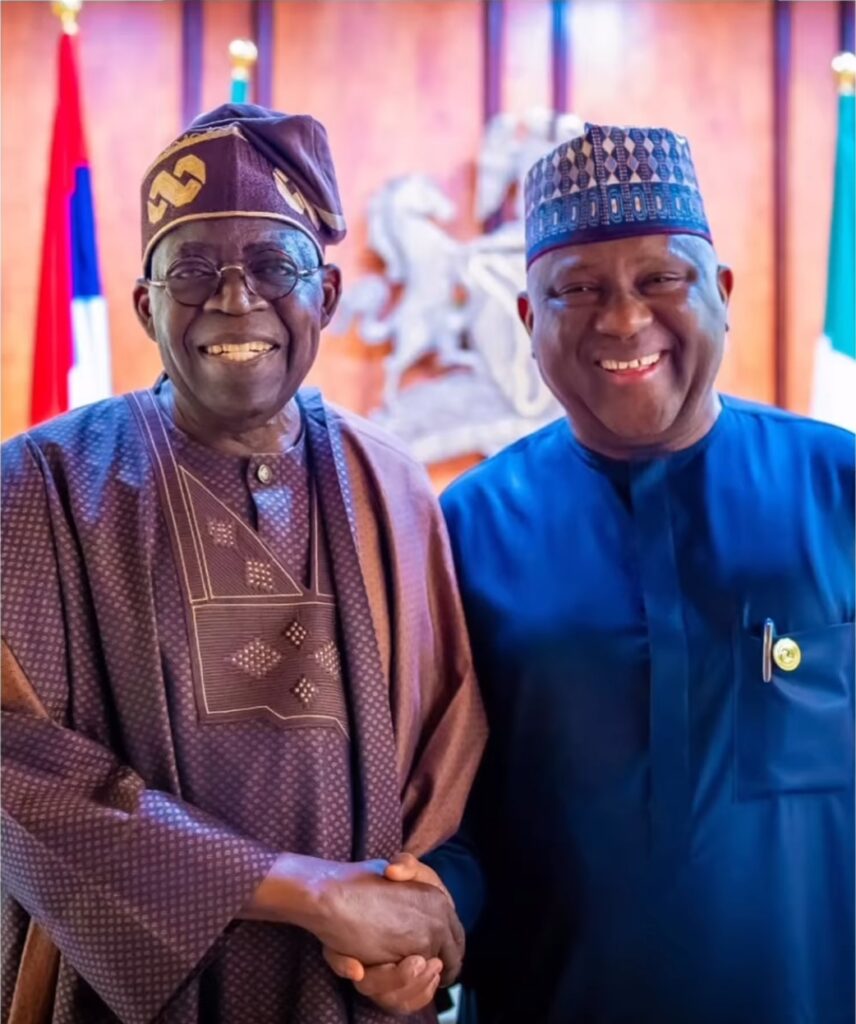
According to him, the results are already clear. Fuel consumption has dropped by nearly half—not due to lower demand from Nigerians, but because “regional tapping” has ceased. With the savings, states are now receiving more federal allocations, allowing for more development at the subnational level.
Unified FX Market: “Now We Can Focus on Business”
Rabiu was equally emphatic in his praise for Tinubu’s move to unify Nigeria’s multiple foreign exchange windows. Before the reforms, business leaders spent days in Abuja lobbying for FX allocations at the Central Bank, with official rates far removed from the black market reality. “I personally spent half my time chasing dollars,” he revealed.
Today, he says, that time is being reinvested into actual business strategy and operations. “I’ve only met the new CBN Governor once in two years—because I don’t need to go there anymore. The system is transparent, and it works.”
Return of Fairness and Business Sanity
Beyond macroeconomic policy, Rabiu applauded the current administration’s commitment to fairness and stability. He recounted a troubling incident under the previous administration where a BUA Foods concession at the Port Harcourt terminal was abruptly revoked without cause—allegedly due to the personal interest of an NPA official protecting a friend’s business.
“President Tinubu has restored sanity,” Rabiu asserted. “You can sleep without fear that your business will be shut down by an agency or politician.” He acknowledged former President Buhari’s personal intervention in that crisis but stressed that what has changed is institutional fairness—no longer dependent on access or personal intervention.
Infrastructure Development Driven by Savings
Rabiu also linked Tinubu’s reforms to visible infrastructure progress. With savings from subsidy removal and FX reforms, long-stalled road projects like the Lagos-Calabar Highway, Sokoto-Badagry Road, and corridors in Kwara and Kogi are now gaining momentum. “Better roads mean better logistics and reduced business costs. This is key for national growth,” he emphasized.
BUA’s Billion-Dollar Bet on Nigeria
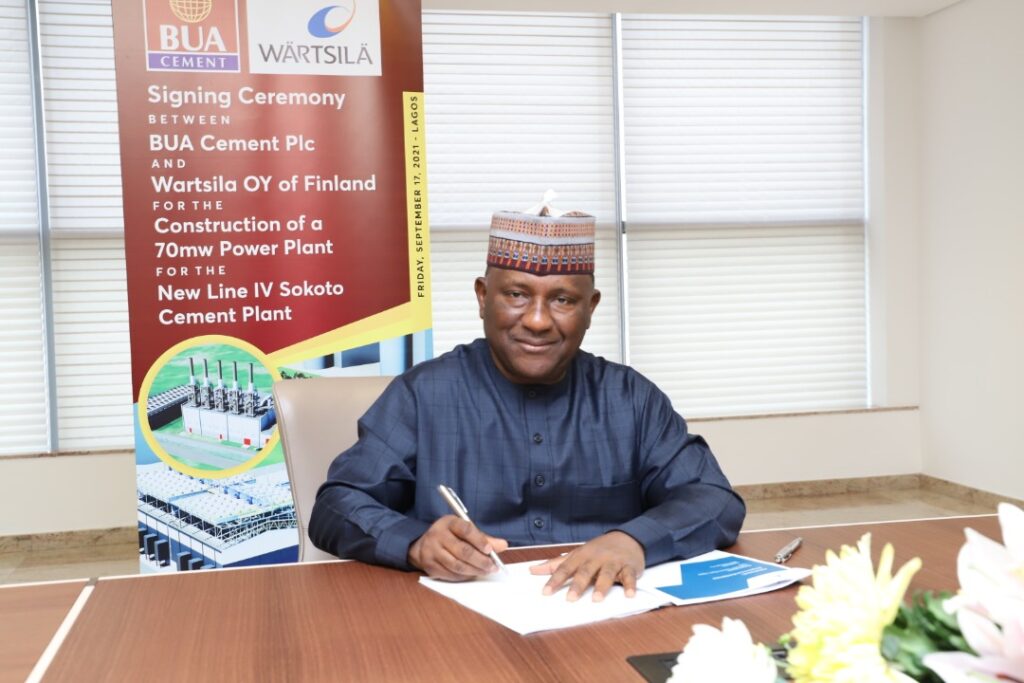
Under the Tinubu administration, Rabiu said BUA has committed over $1 billion in new investments across Nigeria. These include doubling flour and pasta production in Port Harcourt and Lagos, constructing Nigeria’s first POP plaster plant, launching a 30MW solar project in Sokoto, and nearing completion of a major LNG facility in Kogi.
“This is possible because of the stability brought by President Tinubu’s reforms,” Rabiu explained. “For the past year, the FX market has been stable. If you want $200 million a week for trade, you can access it without lobbying. That’s a big deal.”
Food Security: Strategic Interventions, Strategic Results
On food security, Rabiu commended Tinubu’s foresight in implementing a six-month tariff waiver on rice imports. This intervention, he said, broke the power of hoarders who had been manipulating the rice market to drive prices artificially high.
“It disrupted their monopoly,” Rabiu said. “Prices started coming down, and farmers benefited. It was a short-term move with long-term impact.”
Backward Integration and the Nigeria First Policy
Rabiu also aligned his business philosophy with Tinubu’s “Nigeria First” policy, citing BUA’s success in cement manufacturing through full backward integration—mining limestone, using local gas, and reducing dependence on imports. “If we were importing cement, prices would be over ₦15,000 per bag today. Local production is saving the economy,” he added.
A Call to Action: “Take a Bet on Nigeria”
For Rabiu, Nigeria under President Tinubu is not just full of potential—it is beginning to unlock it. He sees a new economic order taking shape: one based on transparency, predictability, and productivity.
“My advice to all,” he concluded, “is to take a bet on Nigeria. We have the resources, the population, and now, the leadership to transform this country.”
In Abdul Samad Rabiu’s eyes, President Bola Tinubu’s first two years have not just reset the economy—they have offered a rare second chance for sustainable, private sector-led growth. And for the man whose company employs thousands and invests billions, that second chance is being taken—boldly.