

Politics
President Tinubu Choosing Long-Term Stability Over Populism, Says Otega Ogra
reforms are already laying the foundation for sustainable growth.

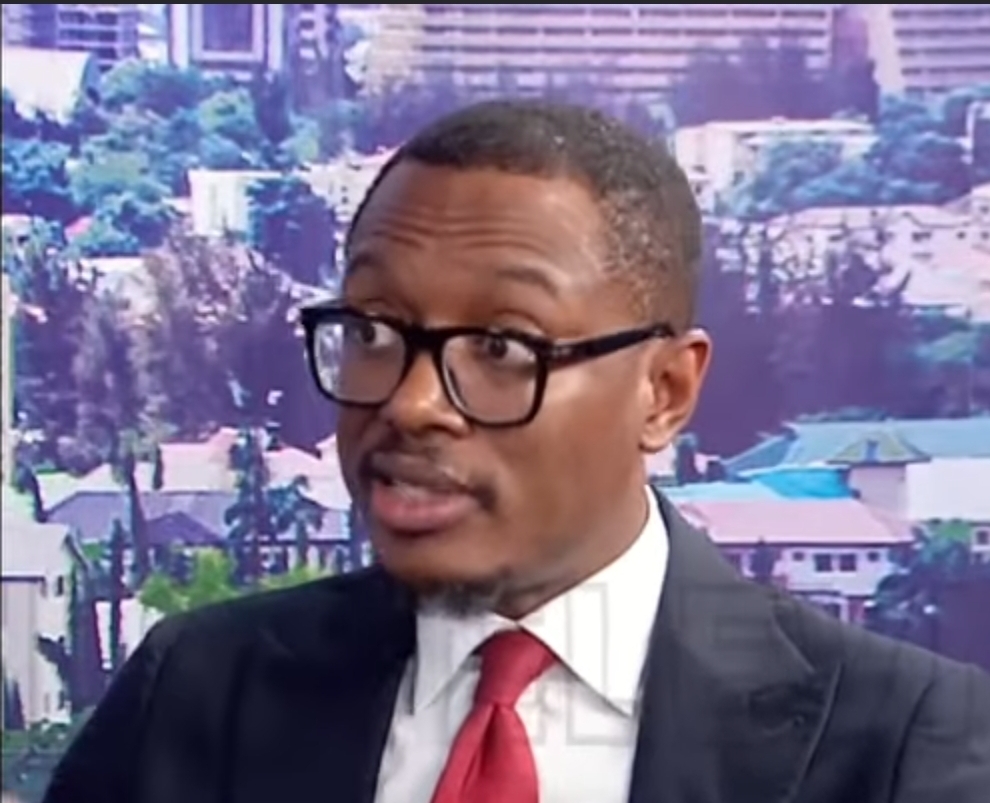
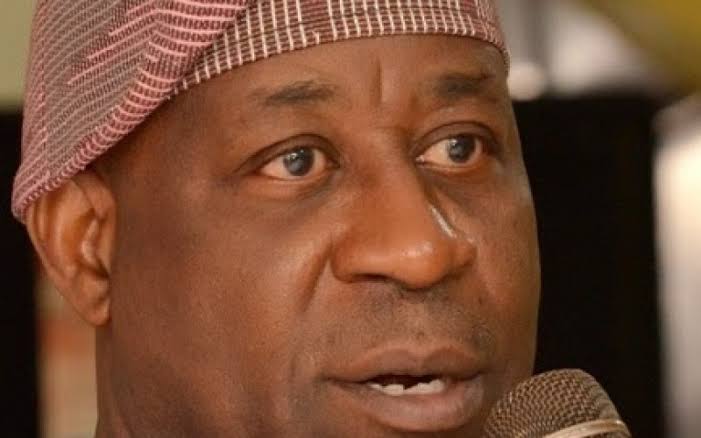
Otega Ogra has said President Bola Tinubu is prioritising long-term economic stability over short-term populist measures, arguing that the administration’s reforms are already laying the foundation for sustainable growth.
Ogra, who is vice-president of the Advertisers Association of Nigeria and senior special assistant to the president on digital communications, engagement and new media strategy, spoke in an interview.
He was recently elected into the executive committee of the World Federation of Advertisers.
Defending the administration’s policy direction, he said the president has demonstrated a willingness to take difficult decisions that many political actors would avoid.
“The difference between President Bola Ahmed Tinubu and many in the opposition is like comparing a surgeon willing to take a difficult but life-saving decision in the operating theatre, and a bystander more concerned with applause than outcome,” Ogra pointed out.
He added that while such decisions may attract criticism in the short term, they are necessary for long-term national stability.
“One is prepared to endure criticism in the short term to secure stability and growth over time. The other is guided by the comfort of populism, even when it postpones the very progress Nigerians deserve,” he provided clarity.
Since assuming office, Tinubu has introduced a series of sweeping reforms, including the removal of fuel subsidy, the unification of foreign exchange windows, and fiscal measures aimed at boosting government revenue and reducing leakages.
The administration has also pushed tax reforms, expanded social investment programmes, and prioritised infrastructure financing as part of efforts to stabilise the economy.
Ogra described these moves as “structural corrections” rather than superficial policy adjustments.
“What we are seeing today are not cosmetic adjustments dressed up as reform. These are structural corrections to long-standing distortions in our economy and governance architecture,” senior presidential aide explained, adding “In fiscal policy, revenue reforms are strengthening the capacity of the state to fund critical infrastructure and social investments.”
He argued that such measures require political will and a clear understanding of long-term national interest.
“These decisions are not politically convenient. They demand resolve. They demand a leader who understands that history is kinder to those who fix systems than those who manage decline,” he declared.
Ogra also criticised opposition parties for what he described as a lack of coherent alternatives, saying public criticism must be backed by clear and actionable ideas.
“The opposition continues to oscillate between nostalgia and noise, offering little in the way of coherent alternatives,” he asserted, deepening his position with “Criticism is a necessary part of democracy, but it must be matched with clarity of thought and courage of conviction. Nigeria does not need rehearsed outrage. It needs tested ideas and leaders willing to stand by them when it matters most.”
The top aide maintained that although reforms take time to yield full results, early indicators across key sectors suggest the country is on a recovery path.
Insisting, “Reforms will take time to fully mature, but early indicators across key sectors are already pointing in the right direction. The foundation is being laid for a more resilient economy, a more disciplined fiscal environment, and a more competitive national outlook.”
Ogra’s election into the executive committee of the World Federation of Advertisers is seen as a recognition of his growing influence in global communications and marketing circles, even as he continues to play a key role in shaping the Tinubu administration’s digital engagement strategy.