

Society
On Back Of Award Winning Year, Alebiosu Tells Lagos Waterfront Plan For 2026
insight into an ambitious roadmap for Lagos’ waterfronts

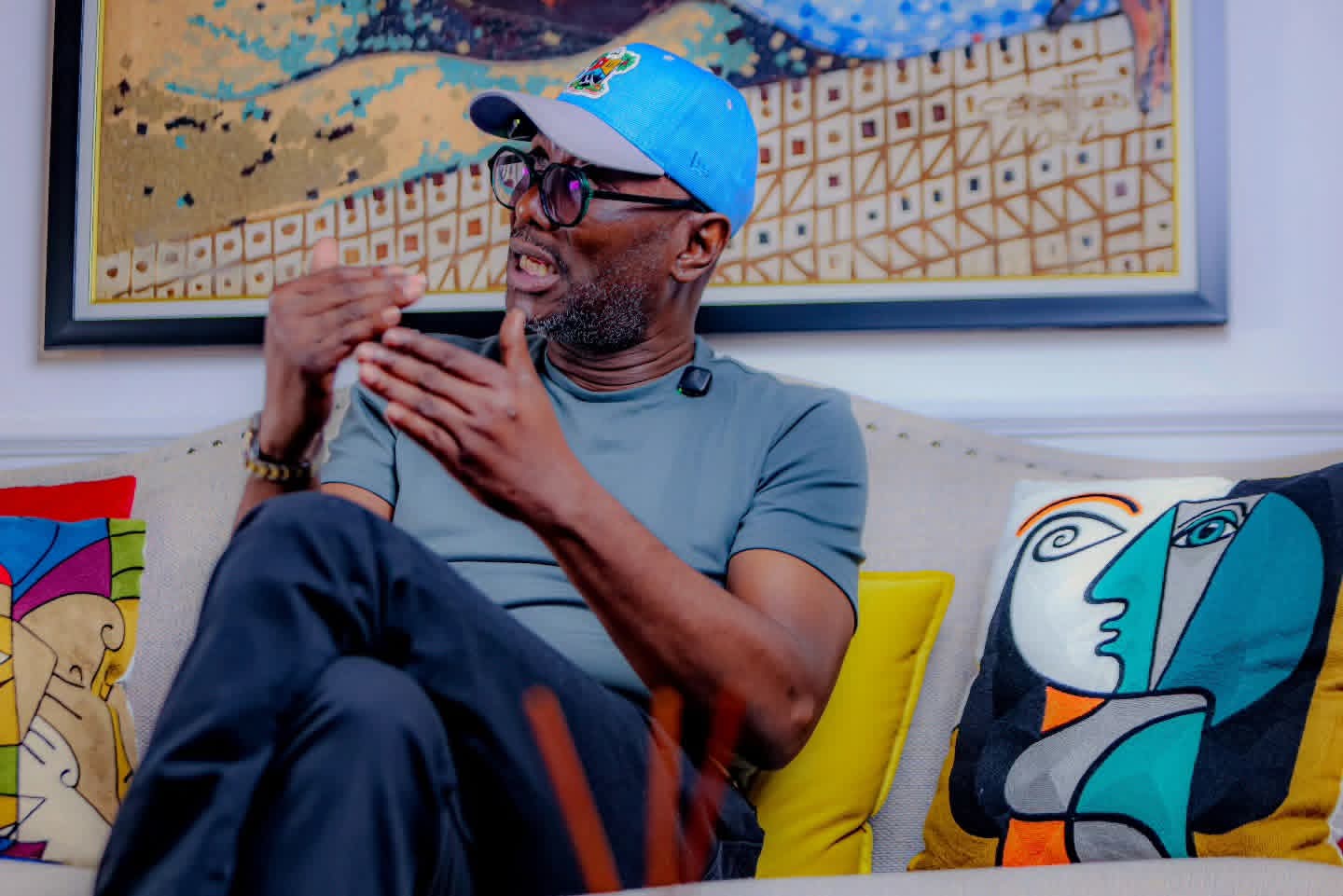
Riding on an award-winning year that has repositioned the Lagos State Ministry of Waterfront Infrastructure Development (MWID) as one of the most reform-driven agencies in the state, Commissioner Dayo D’Bush Alebiosu has provided insight into an ambitious roadmap for Lagos’ waterfronts as the government looks ahead to 2026.
The outline comes on the back of MWID’s historic recognition for creativity and innovation at the Ideas Day Innovation Competition held in December 2025 — the first such honour in the ministry’s history.
Alebiosu, in December 2025, described the award as a validation of teamwork, purposeful leadership and a growing culture that rewards ideas with impact.
“This recognition affirms that when you empower people and allow ideas to thrive, you get results that truly matter,” he said.
Beyond the internal celebration of excellence that followed the award, the commissioner said the past year marked a turning point in how the state confronts the environmental, transport and development challenges around its vast lagoon and coastline.
Central to that shift was the first-ever Lagos Waterfront Summit organised by the ministry in September 2025.
According to D’Bush, the summit was convened to bring all stakeholders together — from government agencies to waterfront communities — to openly discuss long-standing problems and agree on practical solutions.
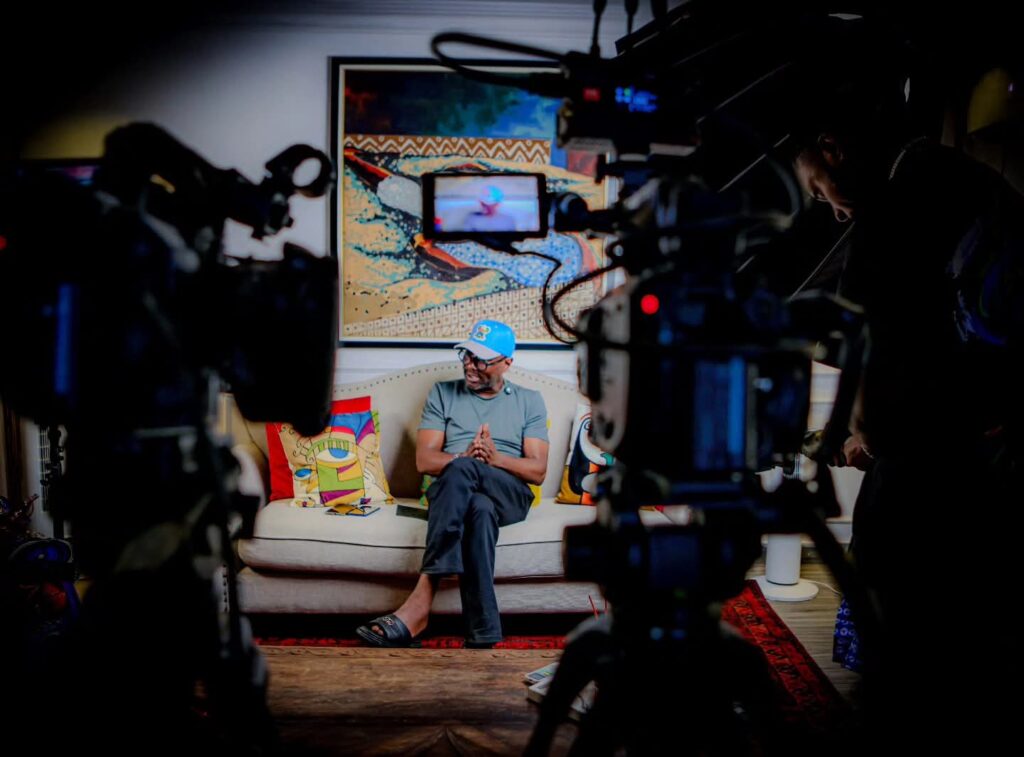
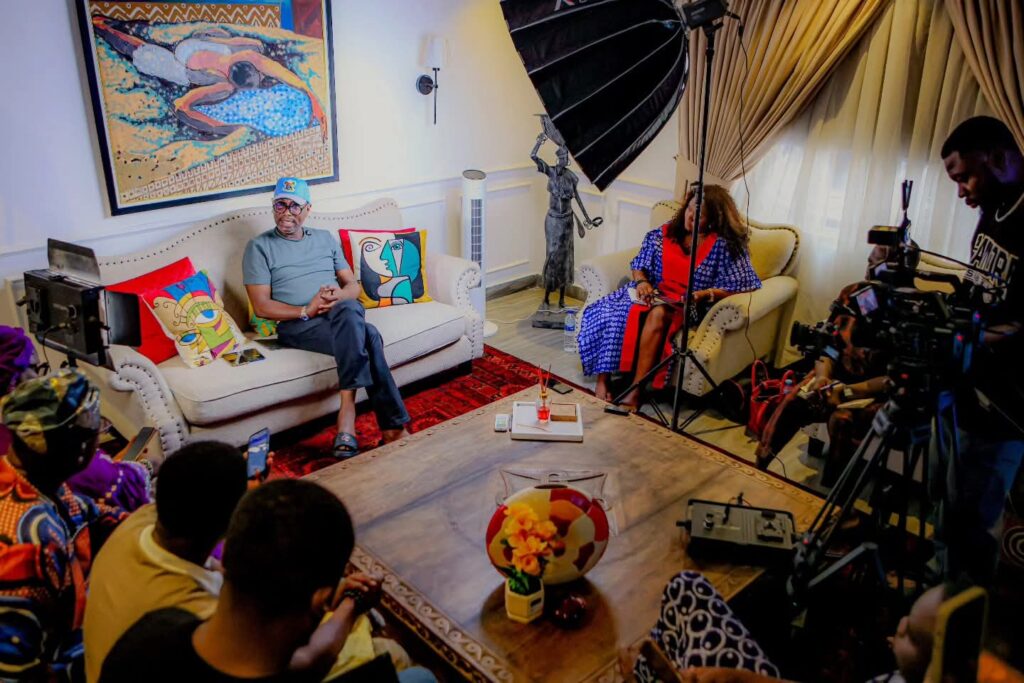
“We deliberately brought everyone to the table to say: let us discuss your issues, let us put the problems out there and address them together,” he stated during an interaction Saturday, January 3, 2026.
One of the most urgent issues addressed, he explained, was illegal dredging, alongside the need to modernise marine infrastructure.
Out of those discussions came the introduction of floating concrete pontoons, deployed for the first time in Lagos at about six jetties, including Agboyi-Ketu.
Alebiosu said the decision was driven by durability concerns and long-life guarantees, noting that the state is currently studying how the pontoons interact with local water conditions before expanding the initiative across more jetties.
He added that final decisions on scale and timelines will follow the conclusion of ongoing budget engagements with the Lagos State House of Assembly.
Rehabilitation of ageing jetties is also a priority, with renewed attention to safety, comfort and functionality to meet present-day challenges.
“Infrastructure, infrastructure, infrastructure — that has been our focus,” Alebiosu said, stressing that waterfront upgrades are being aligned with broader housing and urban development commitments of the Governor Babajide Sanwo-Olu administration.
The commissioner disclosed that key schemes such as Orange Island, Gracefield Island and the Odo-Ogun Waterfront are being pushed toward completion before the end of the current tenure.
The popular grassroots politician described Orange Island as one of the state’s strongest performers, while noting that Gracefield Island and Odo-Ogun have significant untapped potential, including projects that were previously moribund but have now been reactivated.
He said the state has also been engaging project proponents on more flexible payment structures, including reduced upfront obligations and revenue-sharing formulas that ease developers’ burdens while improving the state’s capacity to reinvest in infrastructure.
Such revenues, Alebiosu explained, would be channelled into shoreline protection, land reclamation and beach refurbishment, with Lagos seeking global expertise to deliver best-in-class outcomes.
Urban regeneration remains a sensitive but unavoidable aspect of development. In Oworonshoki, where redevelopment has led to displacement, Alebiosu said he is targeting ₦50 million through friends to support affected residents in securing decent accommodation.
While clarifying that the exercise was not carried out by his ministry, he said supporting displaced persons in personal capacity as a representative from the constituency.
“What is happening in Oworonshoki is urban regeneration; it is inevitable, and as a government we must ensure people are not left behind,” he said, adding that he has also provided reliefs.
Checks revealed that MWID’s expanding role has gone beyond infrastructure delivery to shaping Lagos’ tourism and investment narrative.
D’Bush has repeatedly argued that waterfront development must serve as both an economic engine and a lifestyle enhancer, with jetties, boardwalks, fish markets and leisure corridors designed to global standards.
From Eko Atlantic to Orange Island, Ostia Island, Gracefield Island, Ilubirin, the Lekki Foreshore corridor, and emerging western schemes such as Odo-Ogun and Amuwo Odofin, Lagos is stitching together a network of master-planned coastal districts backed by reclamation, shoreline protection and disciplined urban planning.
These developments are increasingly integrated into the state’s evolving water transport grid through upgraded jetties, concrete pontoons and expanded ferry terminals.
Stakeholders say the Ideas Day award reflects a deeper shift in how public infrastructure is delivered in Lagos — one where innovation, environmental responsibility and economic competitiveness intersect. As the state continues its push toward the Atlantic, Alebiosu’s stewardship of the waterfront ministry is emerging as a defining pillar of the Greater Lagos vision.
“I am excited about 2026,” the commissioner said, projecting confidence that Lagos’ waterfront transformation is moving decisively from plans and pilots into visible, lasting impact.