

Politics
Insiders Reveal The Tinubu You Don’t See
a less visible side of his leadership

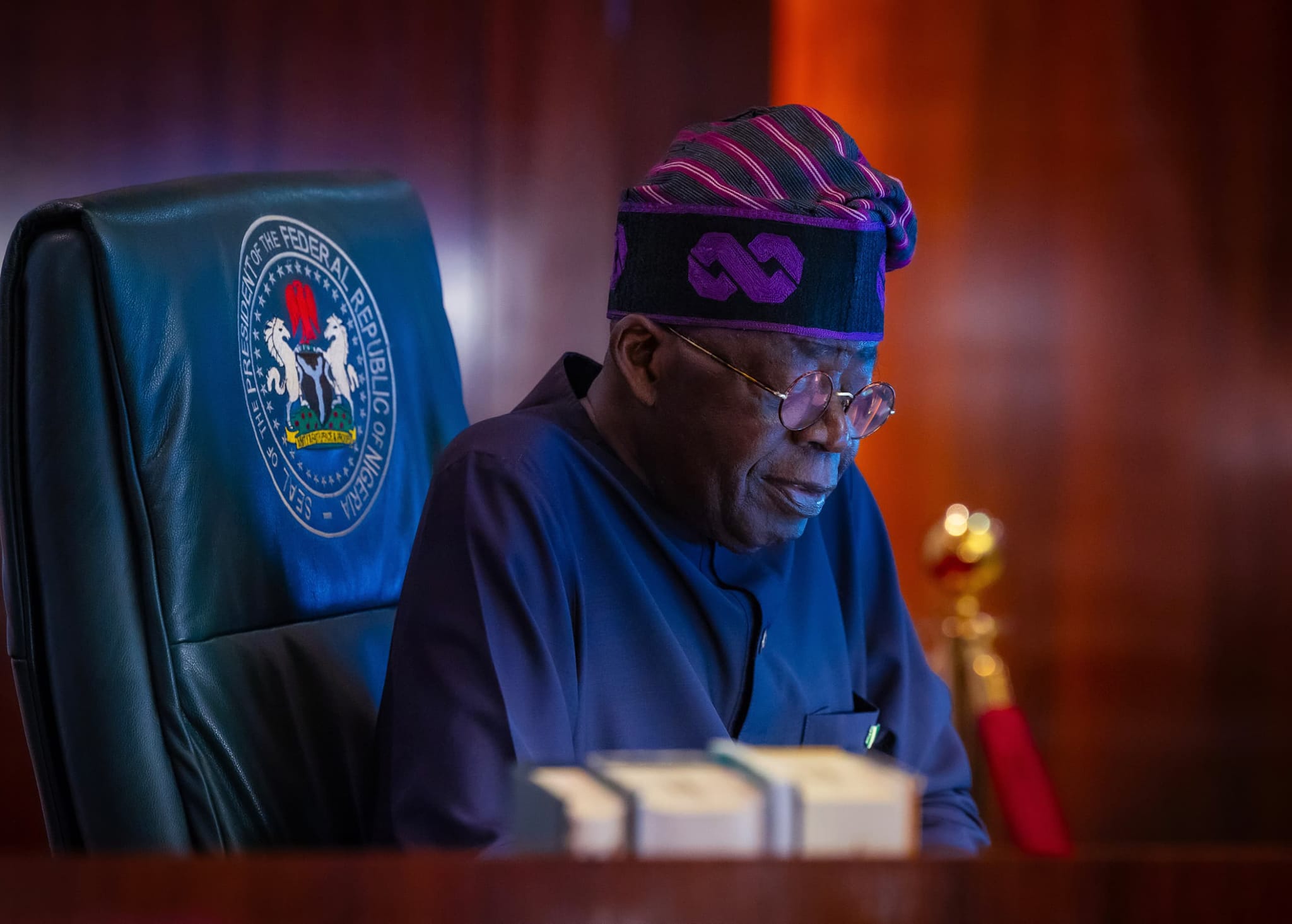
While public conversations around President Bola Ahmed Tinubu have largely focused on his economic reforms and political strategy, there is a less visible side of his leadership that insiders say plays a quiet role in shaping decisions behind the scenes.
This version of Tinubu doesn’t always operate through grand speeches or televised events. Instead, it appears in quieter interventions—gestures that are often missed in the rush of headlines.
In February 2024, after the tragic death of banker Herbert Wigwe in a helicopter crash, Tinubu reportedly placed a personal call to Wigwe’s elderly parents. The call was not publicized by the presidency but was later confirmed by those close to the family. It was one of several moments in which the president reached out privately to grieving individuals.
A similar call was made to the musician KWAM 1 after he lost his mother in early 2025. Although the musician made the call public on his own, there was no official statement or photo release from the presidency.
In the civil service, there are examples of discreet presidential decisions that altered outcomes. When Mrs. Caroline Wuraola Adepoju was approaching the end of her tenure at the Nigeria Immigration Service, President Tinubu reportedly gave a directive for a short-term contract extension. That decision, while procedural in nature, paved the way for her appointment as the first female Comptroller-General from the Southwest.
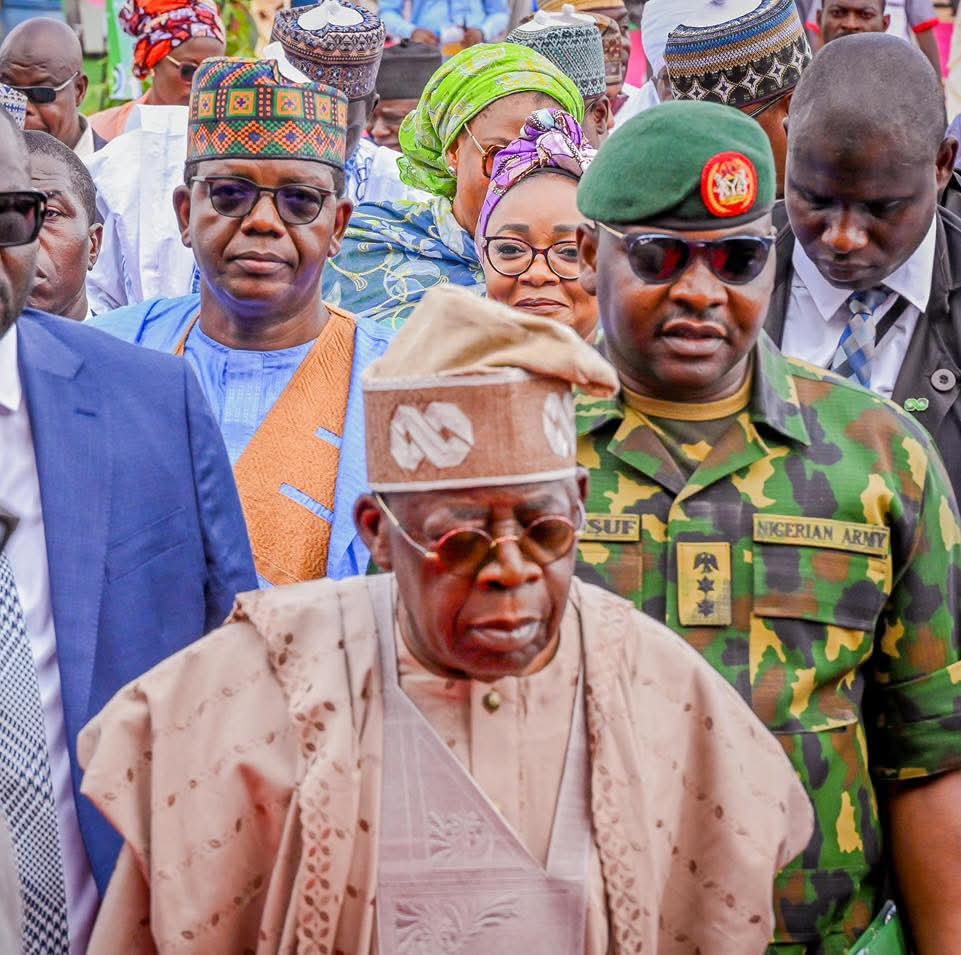
Tinubu’s engagement with national security has also involved low-profile moves. In May 2025, he visited frontline troops in Katsina state. The visit included meetings with military officers and personnel in the field. While security assessments are typically delegated, this particular trip signaled a more hands-on approach.
In March 2025, the federal government declared a state of emergency in Rivers State following widespread pipeline vandalism and community unrest. The decision led to federal-led coordination of the region’s security infrastructure. Though the action drew debate, officials close to the presidency said it reflected Tinubu’s concern about the region’s instability and its impact on national oil revenues.
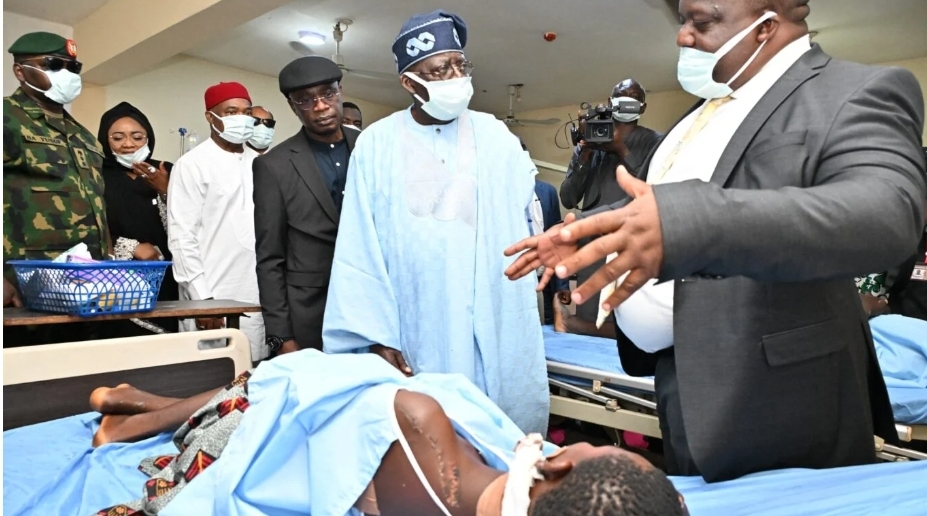
In June of the same year, following the killing of over 150 villagers in Benue, the president visited Makurdi. He met with survivors and local leaders and directed federal security agencies to take over the investigation and restore calm. While some criticized the timing of the visit, others noted that it was one of the few instances in recent years where a sitting president personally addressed victims of communal violence in that region.
There was also an institutional response to the food stampedes in Anambra and Abuja in late 2024. Tinubu canceled public engagements and directed federal agencies to overhaul food distribution methods. The move received little fanfare but signaled an administrative pivot.
Across these instances, the president’s actions have typically gone unaccompanied by extensive media packaging. Insiders describe a style that relies more on direct instructions and situational judgment than on public visibility.
Critics argue that symbolic gestures are not enough and that deeper structural issues remain unresolved. However, the accumulation of these low-profile decisions suggests a side of Tinubu’s presidency that may not always align with his public image but is nonetheless present in how he navigates the pressures of office.
Whether these moments shift broader perceptions is unclear. But they offer insight into a governing style shaped not just by political calculation, but also by situational response—and, occasionally, by personal instinct.