


Society
Eko Atlantic To Other Islands: How Lagos Is Building New Real Estate Investors’ Delight
rapidly becoming some of Africa’s most attractive property


Lagos is expanding its footprint along the Atlantic shoreline with a cluster of new, master-planned islands and waterfront districts that are rapidly becoming some of Africa’s most attractive property and investment destinations.
From Eko Atlantic to Orange Island, Ostia Island, Gracefield Island, Ilubirin, the Odo-Ogun Waterfront Scheme, the Amuwo Odofin Waterfront Scheme and the vast Lekki Foreshore corridor, the state is stitching together a new network of coastal communities designed for safety, stability and long-term capital growth — especially for Nigerians in the diaspora seeking secure, future-proofed assets.
The rise of these purpose-built districts is tied to Lagos’ strategic push to open new land through reclamation, shoreline protection and disciplined urban planning.
With the city’s population and investment appetite expanding, the state has shifted toward controlled environments where infrastructure is predictable, titles are clean and developments follow clear regulatory frameworks — a major departure from the fragmented land markets that have long challenged diaspora investors.
Eko Atlantic remains the flagship example. Built on reclaimed land and fortified by an advanced sea defence system, it has evolved into West Africa’s most premium urban district, attracting global corporations and high-net-worth homeowners. Its flood-resistant design, underground utilities and central business cluster give it one of the strongest safety guarantees in the region, with land and property prices appreciating every year.
Orange Island, positioned near Elegushi and linked to Lekki Phase 1, mirrors this pattern in a more residential form. Its well-planned grid layout, serviced plots and high-level documentation make it a prime magnet for diaspora buyers looking for predictability and capital security. Real estate analysts say its appreciation curve is one of the steepest on the Lekki axis.
Gracefield Island has taken a distinctly modern approach, blending work-life communities, technology-ready infrastructure, green spaces and waterfront residences. It has become a preferred location for young professionals, returnees and investors seeking reliable rental yields amid clean documentation and thoughtful urban design.
The new Ostia Island development, located along the Lekki Foreshore corridor, is emerging as one of the most promising new districts. With broad road layouts, controlled access, future marina integration and proximity to Lagos’ growing water transport routes, its investment profile is already rising. Early buyers — particularly Nigerians abroad — are positioning themselves ahead of its projected property boom.
To the west of the city, the Odo-Ogun Waterfront Scheme and the Amuwo Odofin Waterfront Scheme are unlocking fresh coastal corridors previously underutilized. These schemes combine waterway access, coastal protection measures and mixed-use zoning to create new residential and commercial anchors across the Badagry and Amuwo axes.
Designed to support tourism, hospitality and mid-to-high income housing, they offer diaspora investors opportunities at earlier entry stages, with significant long-term upside.
The broader Lekki Foreshore corridor — stretching from Oniru through Lekki Phase 1, Jakande, Ikate, Osapa, Chevron and down toward Ogombo — has become one of the largest consolidated waterfront investment belts in the country. With multiple reclamation projects, strengthened flood management systems and a growing hospitality presence, the corridor is fast becoming a lifestyle and tourism frontier.
What binds these coastal districts together is more than real estate appeal. Lagos is deliberately turning them into tourism-facing environments — with marinas, boardwalks, recreation hubs, hotels, beach markets, water sports stations and waterfront dining clusters — making them lifestyle destinations in addition to safe investment zones.
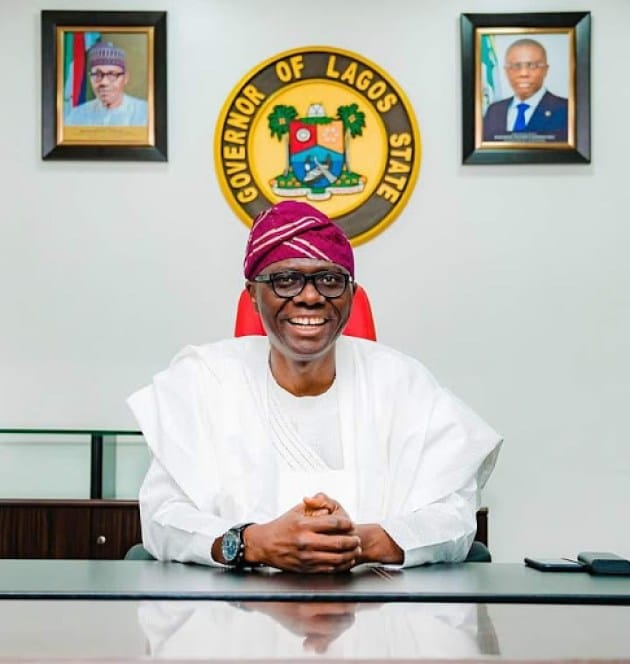
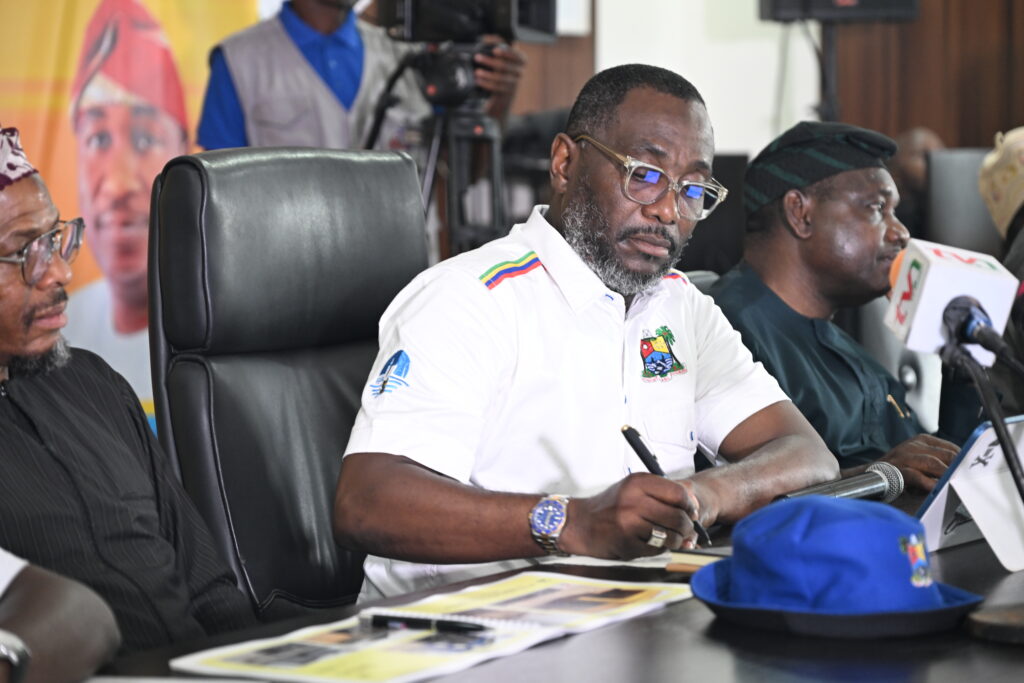
These projects form part of the strategic expansion that aligns with Governor Babajide Sanwo-Olu’s THEMES PLUS agenda, with the Ministry of Waterfront Infrastructure Development, under the guidance of Commissioner Dayo D’Bush Alebiosu, championing the high-value push. His stewardship has become central to the disciplined approach now shaping Lagos’ coastal regeneration.
The state’s evolving water transport network further strengthens their value. With the rollout of concrete pontoons at key jetties, the channelisation of new routes and the expansion of ferry terminals under the €410 million Omi Eko Project, the coastal districts are being tied into a mobility grid that reduces travel time and eases connections to business hubs without relying solely on road traffic.
For diaspora investors who have long been wary of inconsistent documentation, rising flood exposure or unpredictable land governance, the new shoreline developments offer a clearer, more secure path into the Lagos property market. Controlled planning, environmental resilience and state-backed infrastructure are driving confidence, while the tourism and lifestyle ecosystem forming around them ensures long-term desirability.
As Lagos continues to stretch toward the Atlantic, its new islands and waterfront schemes are shaping a future where safe investment, modern living, tourism and economic growth converge. For many investors abroad, these coastal districts represent not just property, but assurance — a stake in the new Lagos emerging on the water’s edge.