

Politics
Behind The Scenes Of Former Lagos Speaker Meranda’s New Status
Many see her as a victim of political maneuvering

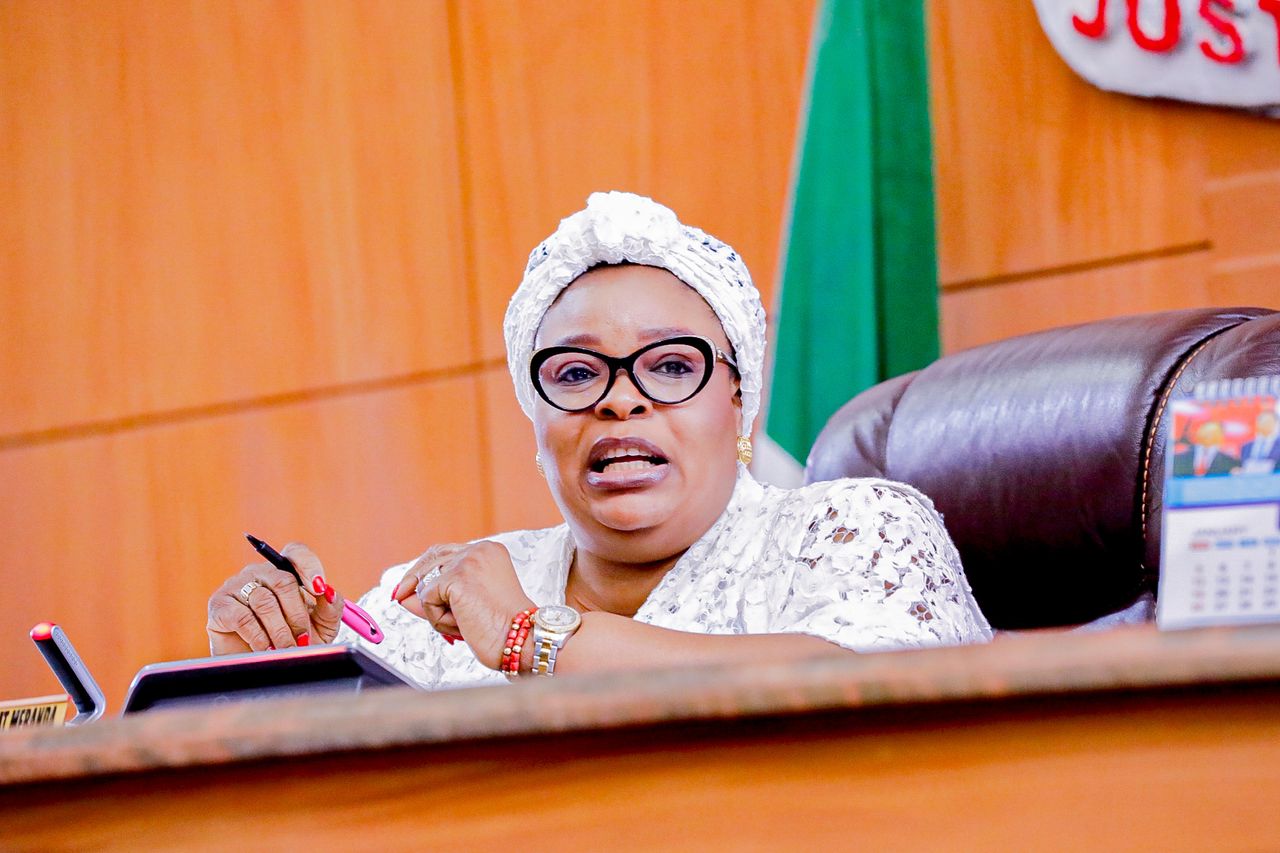
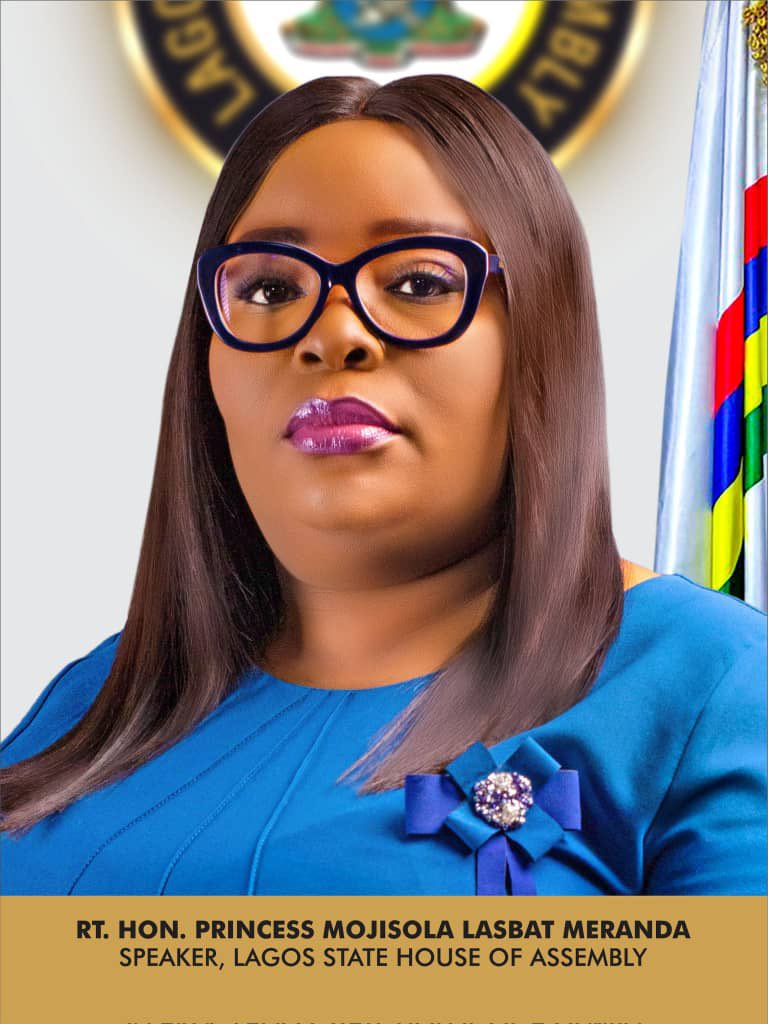
Mojisola Lasbat Meranda, the immediate past Speaker of the Lagos State House of Assembly—and the first woman to hold the position—has emerged as a significant political figure.
Beyond her brief tenure as Speaker, she has become the symbol of the push for greater representation of indigenous Lagosians in top-level governance.
Meranda, the daughter of the late Ojora of Lagos, Oba Taoreed Lawal Akapo, did not initially seek the speakership.
However, with growing discontent among lawmakers with Mudashiru Obasa, she emerged as the consensus choice and was overwhelmingly elected on January 13.
Yet, despite the backing of 36 out of 40 lawmakers, she stepped down just six weeks later, paving the way for Obasa’s return.
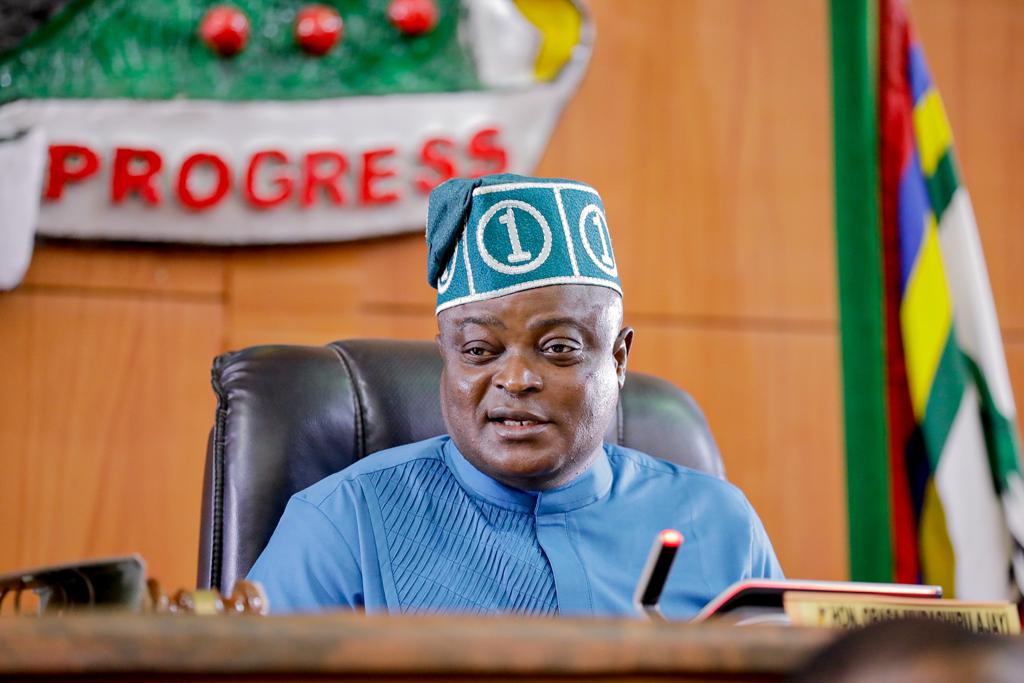
Her resignation has been attributed to party supremacy and the need to balance political appointments among Lagos’ three senatorial districts.
Governor Babajide Sanwo-Olu is from Lagos Central, as is Meranda, while Deputy Governor Femi Hamzat hails from Lagos East. Obasa, from Lagos West, was removed from his position, leaving the district—the most populous with 10 local government areas—without representation in the state’s top three leadership positions.
An insider explained, “With another election barely two years away, party leaders wanted to ensure Lagos West remained politically engaged. Retaining the Speaker from Lagos Central while the Governor also came from there would have complicated things.”
However, others argue that political power struggles, rather than zoning considerations, dictated the events.
Historically, parties have set aside zoning when necessary, raising questions about whether the balancing narrative was a convenient justification for the leadership reshuffle.
Regardless of the circumstances, Meranda’s popularity has surged. Her tenure—though brief—cemented her status as one of Lagos’ most visible and loved lawmakers.
Many see her as a victim of political maneuvering, and her case has reignited discussions on gender representation in governance.
A political analyst observed, “She has gone from being just another lawmaker to a widely recognized political figure. The way she manages this new perception will determine her next steps.”
First elected in 2015 to represent Apapa Constituency 1, Meranda secured re-elections in 2019 and 2023. With growing public support and visibility, her trajectory in Lagos politics—and possibly beyond—remains one to watch.