

Society
Alebiosu Explains Why Lagos Wants To Host Landmark Waterfront Stakeholders Summit
would bring together key actors in waterfront matters


Dayo Alebiosu, popularly known as Dayo Bush, has explained the rationale behind Lagos State’s plan to host its first-ever Waterfront Stakeholders Summit, highlighting the growing environmental threats along the state’s expansive waterfronts and the urgent need for collective action.
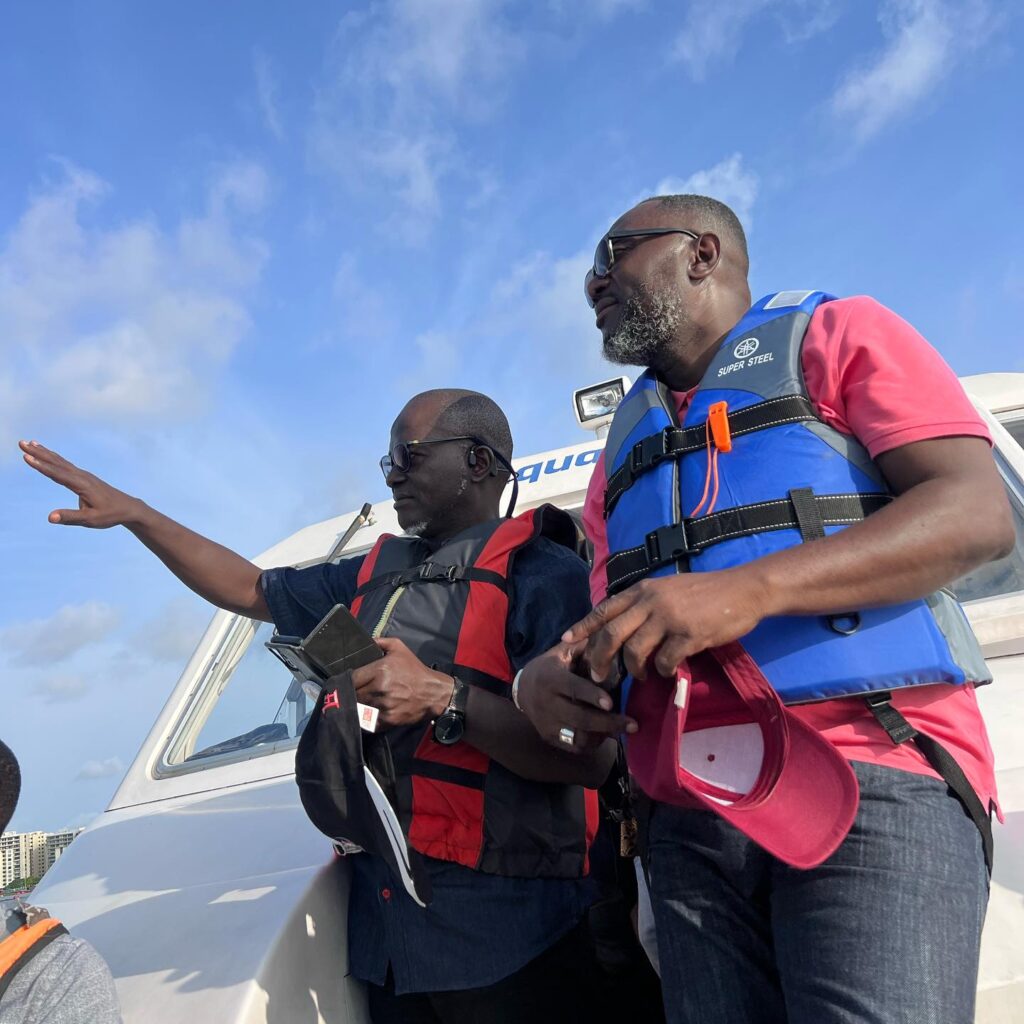
Alebiosu, a grassroots politician, trained architect, and current Commissioner for Waterfront Infrastructure Development in Lagos State, disclosed in an chat that the proposed summit has already received the approval of Governor Babajide Sanwo-Olu and will serve as a platform to confront the dangers posed by indiscriminate dredging, illegal reclamation, pollution, and coastal erosion.
According to him, the summit is no longer just a ministry initiative but a Lagos State event that would bring together key actors in waterfront matters, including experts, traditional leaders, community stakeholders, and regulatory agencies.
The commissioner described the state of the ministry upon his assumption of office as dire, likening it to an eagle that had been reduced to a flightless kiwi. “When we got here, it was hot, let me put it that way,” he said, recounting how he initiated sweeping changes, including the creation of a Survey Unit and the restructuring of overlapping departments to improve efficiency. He also introduced internal reforms to clear pending files dating as far back as 2015 and resolved lingering issues with contractors. “We didn’t want to embark on new projects without settling existing liabilities. Now, all of them have been sorted,” he said.

Alebiosu noted that the Waterfront Ministry had reclaimed most of its statutory functions and responsibilities and now enforces stricter regulations. “We’re no longer going to allow a situation where people come to report after reclamation. We now monitor those activities directly,” he stated.
On the proposed summit, Alebiosu stressed that it would be a no-holds-barred forum. “We are talking to people who understand Lagos, people who have the data and reports. We want all stakeholders to hear and understand the dangers,” he said.
He lamented that some communities knowingly allow illegal activities, such as indiscriminate land reclamation, which threaten their future.
The Commissioner gave the example of a community in Okun Ajah where a local school had been swallowed by coastal erosion. “The school was almost a kilometre into the water,” he said, warning that failing to address the crisis would expose more communities to similar fates.
The summit, he said, would delve into various challenges affecting the state’s coastal and lagoon systems. These include bio-waste dumping, chemical pollution, and unregulated dredging operations.
He described a disturbing incident where dissected tilapia fish from Makoko were found to contain human waste, underscoring the dangers of untreated pollution and its impact on public health. “When people eat fish like that and it tastes bitter, it’s probably because it hasn’t been cleaned well. Imagine if it had faeces in it,” he warned.
As part of the ministry’s new policy direction, Alebiosu said the state government had approved strict penalties for illegal reclamation.
Under the new framework, anyone caught reclaiming land illegally would be arrested, forfeit half of the reclaimed land to the state, and pay a penalty on the remaining half based on its open market value. “If they reclaim 100 hectares, 50 will go to Lagos State automatically. The other 50, they’ll pay the full market value,” he said. While acknowledging that some may find the policy harsh, he insisted it was necessary to protect lives and the environment.
He argued that the effects of illegal reclamation and dredging go beyond waterfront communities. “You might live in Sango or Agege and think it doesn’t concern you. But it affects aquatic life, it affects fish supply, and it disturbs the ecosystem. Every time they narrow the lagoon, saltwater mixes with fresh water. That affects everyone.”
Alebiosu said the forthcoming summit would help define new policies and regulations, noting that the era of lawlessness around Lagos waters is coming to an end. “It’s no longer the Wild Wild West,” he said, adding that the ministry is determined to protect the state’s future by confronting threats to its coastline head-on.