

Society
INEC Trains Trainers For State Coordinating Supervisors Of Electoral Operations Support Centre
aimed at equipping state coordinating supervisors

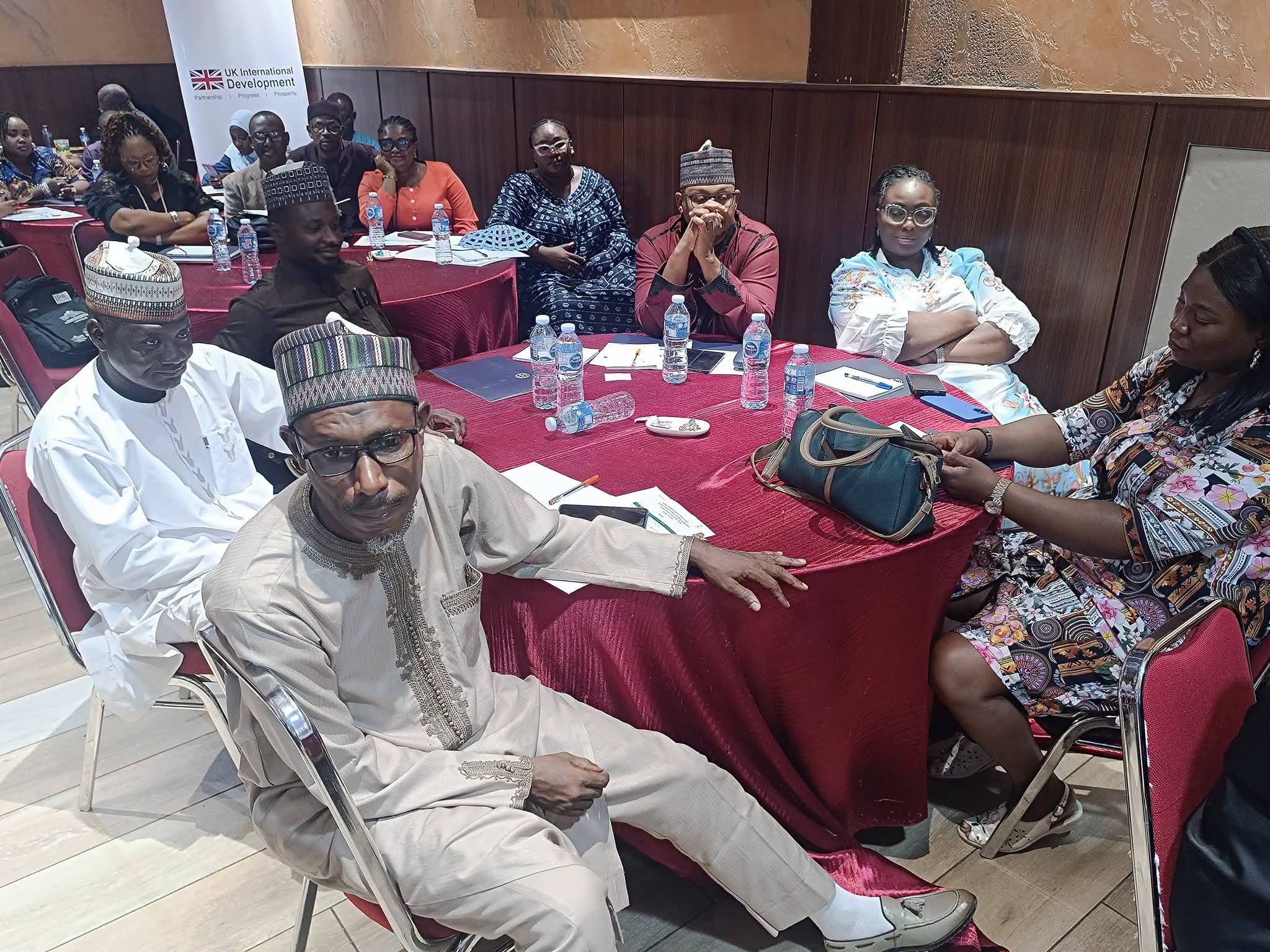
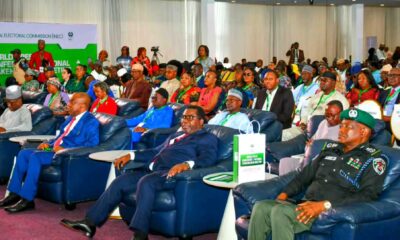
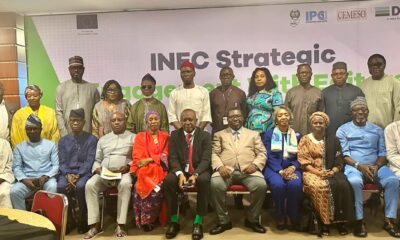
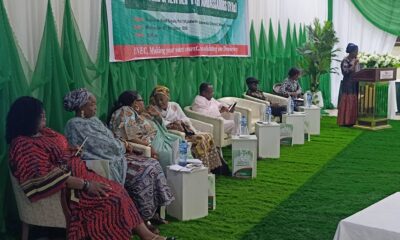
The Independent National Electoral Commission (INEC) has commenced a Training of Trainers for state coordinating supervisors of the Electoral Operations Support Centre (EOSC), with a charge on participants to strengthen timely reporting, information verification and effective incident escalation ahead of the 2027 General Election.
The training, organised by the Electoral Operations Department, is aimed at equipping state coordinating supervisors with the knowledge and practical skills required to effectively coordinate EOSC activities and, in turn, train personnel who will support electoral operations during the 2027 elections.
Delivering the welcome remarks on behalf of the Director of Electoral Operations, Isa Magaji, the Deputy Director, Operations, Jibril B. Mohammed, described the training as an important step towards building teams capable of providing timely and dependable operational support across the country.
He said the EOSC plays an important role in helping the Commission understand developments from the field and ensuring that emerging operational challenges are promptly brought to the appropriate authorities for necessary action.
According to him, every report received through the EOSC represents a real situation affecting electoral personnel, materials, processes or voters, stressing that a delayed appointment, transportation difficulty or other operational challenge could have implications for the smooth conduct of elections.
“Every report represents a situation affecting people,” he said, noting that behind every call or dashboard entry is someone who requires guidance, attention and a practical response.
Mr. Magaji urged the state coordinating supervisors to provide clear direction and sound judgement to the teams they would supervise, while also taking responsibility for transferring the knowledge and experience gained during the training to personnel at the state level.
He emphasised that the success of the training would ultimately be measured by how confidently and effectively the personnel trained by the participants perform their responsibilities during the elections.
He therefore urged participants to actively engage in the sessions, ask questions, share experiences and seek clarification on areas of uncertainty, saying that resolving operational ambiguities during training would help prevent them from becoming challenges during the elections.
The Director said participants were expected to leave the training with a stronger understanding of EOSC responsibilities, reporting procedures, information verification, incident escalation and follow-up processes.
He particularly stressed the importance of accuracy and timeliness in operational reporting, explaining that an effective report should clearly establish what happened, where and when it happened, the action already taken and the status of the incident.
Beyond technical competence, Magaji also urged the participants to preserve the human side of their responsibilities by responding to field officers with calmness, respect and helpfulness, particularly when such officers are operating under pressure.
He noted that the quality of communication and the manner in which information is received could affect both the quality of information available to the Commission and the support provided to personnel in the field.
He appreciated the facilitators and all those involved in organising the training, while urging them to make the sessions practical, interactive and focused on situations that personnel could encounter during the 2027 General Election.
He also acknowledged the support of the sponsors and partners, expressing appreciation for their contribution to the initiative and stressing the need for all participants to justify the confidence and resources invested in the programme.
In his goodwill message, the International Foundation for Electoral Systems (IFES) Regional Director for Africa and Country Director for Nigeria, Seray Jah, expressed satisfaction with the continuity of the EOSC initiative and INEC’s efforts to sustain the practice.
Jah said IFES was pleased to see new personnel being brought into the system, noting that continuity and institutional knowledge were important to ensuring that the experience built over previous electoral cycles was not lost as personnel retire or move on from active service.
He disclosed that the training was not originally included in the year’s work plan, but that the importance of the EOSC initiative led to efforts to secure resources and continue the partnership in support of the programme.
According to him, the decision to sustain the initiative demonstrates the importance attached to the EOSC by both INEC and its partners.
Jah, however, cautioned participants against assuming that previous experience alone was sufficient, urging them to remain open to new knowledge and improvements in the way the EOSC operates.
He said every election presented new operational realities and encouraged participants to combine the experience they had acquired over time with a willingness to learn and adapt.
“I know all about it. I know everything. That may be a bit negatively distracting,” he said, urging participants to pay close attention to new developments and approaches being introduced to strengthen the EOSC.
Jah also acknowledged the demanding nature of election operations, noting that personnel supporting elections could be required to work for extended periods, including sleepless nights, because the Commission would depend on them for timely and accurate information.
He described election work as a form of national service because of its importance to the country, while encouraging participants to remain committed to doing their best despite the pressures and criticisms that could accompany election duties.
He urged them to remain focused on their responsibilities and uphold what is right and professionally required, stressing that their contribution to the electoral process remains important to the nation.
Also speaking, the National Desk Officer for EOSC, Elizabeth Atte, took participants through the objectives of the technical training for state coordinating supervisors.
The session is expected to strengthen the capacity of participants to coordinate EOSC activities, understand established reporting and escalation procedures, verify information received from the field and ensure appropriate follow-up of reported incidents.
The Training of Trainers therefore represents another step in INEC’s preparations for the 2027 General Election, particularly in strengthening the operational information and response mechanisms required to support personnel and electoral activities across the country.
The emphasis on accurate information, timely reporting, effective escalation and continuous follow-up is expected to help the Commission identify emerging challenges early and facilitate appropriate responses throughout the electoral process.