


Society
100% Certain: Security Chiefs Dismiss Doubts Over Al-Manuki Kill
backed by months of painstaking intelligence work and leaves “no ambiguity”

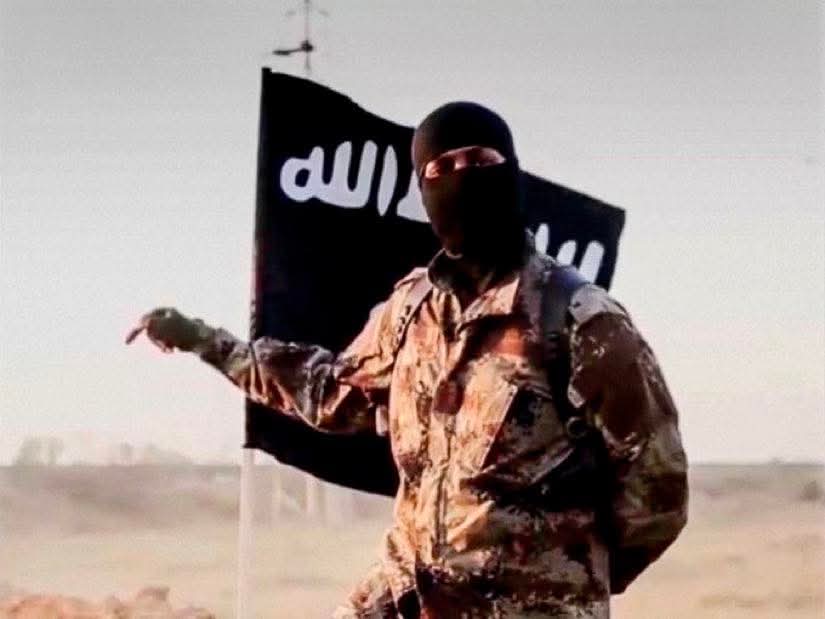
Security authorities have dispelled growing scepticism surrounding the reported killing of Abu-Bilal Al-Manuki, a senior commander of the Islamic State West Africa Province (ISWAP), insisting that the latest Nigerian-American counterterrorism operation was backed by months of painstaking intelligence work and leaves “no ambiguity” over the outcome.
The controversy followed public doubts over the authenticity of the operation after Al-Manuki’s name had previously surfaced in earlier reports of slain insurgent commanders during military offensives in 2024 around the Birnin Gwari forest axis in Kaduna State.
But intelligence and security officials now say that earlier claims were the product of mistaken identity in the fog of war, stressing that Birnin Gwari was never part of Al-Manuki’s known operational territory.
According to officials familiar with the latest mission, the renewed operation that led to his elimination was fundamentally different — built on sustained Intelligence, Surveillance and Reconnaissance (ISR), communications monitoring, phone intercepts and human intelligence gathering that reportedly began in December 2025.
Security sources said the mission was not an impulsive strike but the culmination of prolonged tracking across multiple locations, including Abuja and Maiduguri, where the ISWAP commander was allegedly monitored as authorities initially sought to capture him alive.
“The intelligence trail did not emerge overnight,” one source said, asserting “This was a long-term surveillance and target validation effort involving multiple layers of domestic and international coordination.”
Officials disclosed that the decision to delay kinetic action was strategic, aimed at avoiding premature exposure while narrowing his movement patterns and strengthening operational certainty.
“This time, there is no ambiguity,” another security source said, deepening insight with “Multiple channels of verification were applied before the final authorisation. We are 100 per cent certain.”
The insistence comes amid comparisons by critics to previous high-profile counterterrorism cases, including repeated false death reports surrounding Boko Haram leader Abubakar Shekau and earlier premature claims regarding ISIS leader Abu Bakr al-Baghdadi.
However, security analysts argue that such historical precedents should not automatically invalidate current intelligence-led operations, noting that mistaken reports are often an inherent feature of asymmetric warfare where insurgents exploit aliases, misinformation and fragmented command structures.
They say the complexity of modern insurgency — particularly in West Africa’s fluid conflict zones — demands caution before drawing conclusions from past intelligence failures.
“Global counterterrorism history is filled with cases where uncertainty preceded final confirmation,” a senior analyst said,.explaining “That does not mean every new operation should be dismissed outright.”
Security experts warn that reflexive public dismissal of validated military operations risks undermining morale, strategic messaging and confidence in the armed forces at a time when Nigeria’s security agencies are increasingly relying on sophisticated partnerships with international allies.
Nigeria’s military, supported by foreign intelligence networks, continues to prosecute one of the world’s most difficult counterinsurgency campaigns, targeting militants who operate across porous borders, civilian settlements and digitally fragmented terror cells.
Against that backdrop, officials say public announcements on high-value targets are now subjected to more rigorous internal scrutiny before disclosure.
While democratic accountability requires scrutiny of military claims, authorities insist that scepticism must be balanced against operational realities.
Security chiefs remain firm that the latest strike on Al-Manuki marks a major blow against ISWAP’s operational leadership and a significant intelligence success for Nigeria’s evolving counterterrorism strategy.
In the words of one official, “This is not speculation. This is a validated success.”


