

Society
Why Dayo Alebiosu Is Quietly Attracting Attention
work now has an international dimension

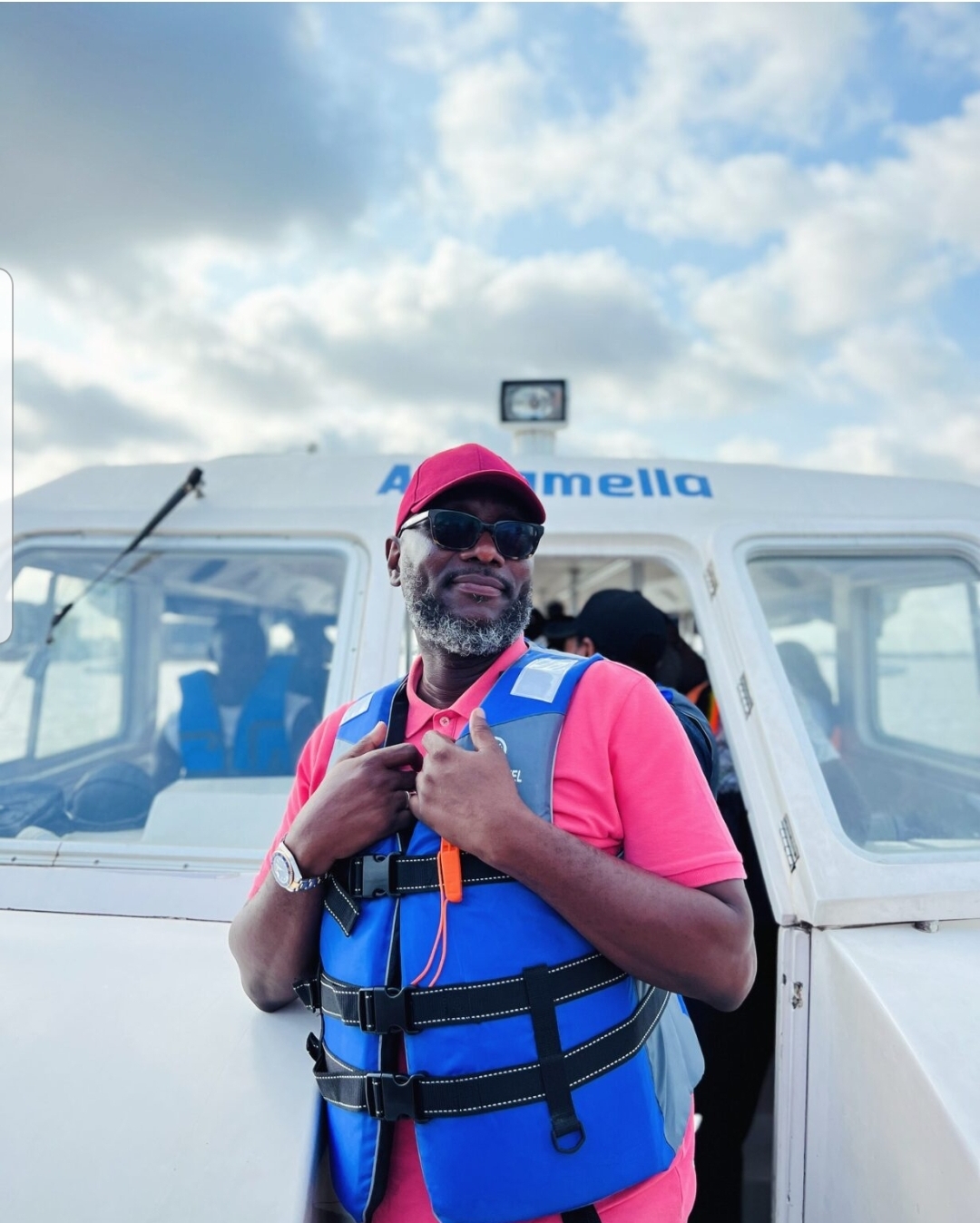
When Dayo “D’Bush” Alebiosu stepped into Governor Sanwo‑Olu’s administration in 2023 to lead the Ministry of Waterfront Infrastructure Development, few imagined the breadth of change he would spark.
As the commissioner, Alebiosu first made waves enforcing Lagos’s waterfront laws—issuing stop‑work orders along Banana Island and Gracefield, seizing three unlicensed dredgers and prosecuting six illegal operators in mobile courts. It was a signal: Lagos’s shoreline was no longer a free‑for‑all .
From those decisive early moves, he propelled Lagos into a high‑octane infrastructure overhaul.
By mid‑2024, he had overseen the award and construction of thirteen new jetties, some already nearing completion, hand‑over scheduled to the Lagos State Waterways Authority.
The network is meant to decentralize commuting, ease gridlock, and bolster commerce and tourism—an ambitious bid to shift peak‑hour commute culture from street to sea.
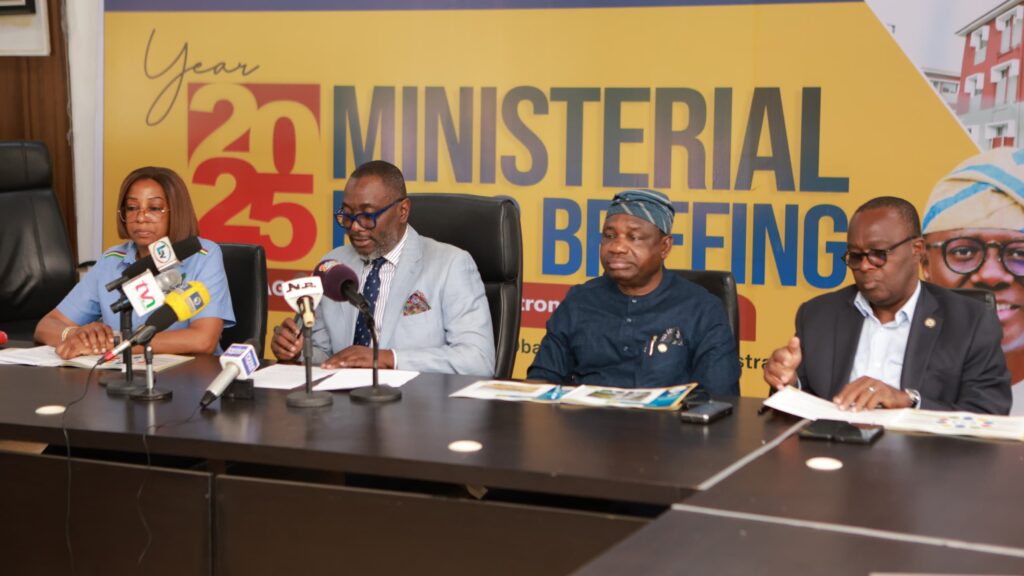
Alongside these, his ministry began channelizing a 6.8 km stretch between Ikorodu and Mende, a move designed to knit the city’s riverside communities into the broader THEMES+ transit agenda .
But Alebiosu’s ambition didn’t stop at concrete.
He quietly launched the Lagos Waterfront Regeneration Project, transforming neglected shoreline into vibrant cultural, commercial, and recreational nodes—something that state media described as revitalizing economies and creating jobs in areas once forgotten .
He oversaw protective barriers at Eko Atlantic—part of the so‑called “Great Wall of Lagos”—a massive coastal defence project sculpted to stem erosion along the Bar Beach .
His work now has an international dimension. In May 2025, he met with a Dutch delegation to deepen collaboration on coastal management and environmental protection—signaling a Lagos willing to learn from global best practices .
Internally, Alebiosu has tightened governance through quarterly forums that invite candid input from every level of staff—an unusual move in Lagos bureaucratic culture—which his peers say has improved morale and execution .
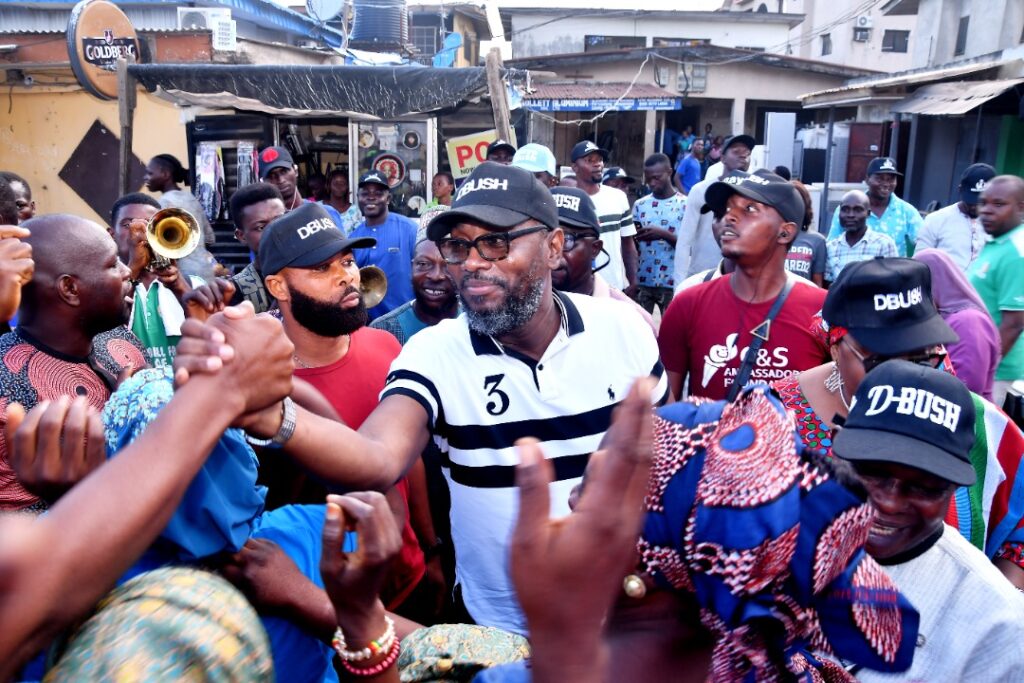
Behind the scenes, Alebiosu quietly funds medical bills, school fees, and the likes—always urging “do it for God and humanity,” steering clear of publicity even as beneficiaries frequently praise his gesture in hushed tones.
His experience as an architect, Harvard‑trained leader, and former federal lawmaker shows through in every decision—from strategic infrastructure to soft‑power community outreach.
But perhaps most significant is his vision: Alebiosu isn’t content with piecemeal projects. He’s consolidating a Waterfront Masterplan to frame Lagos as a global waterfront city, drawing inspiration from resilient models in Singapore and the Netherlands . This isn’t just development—it’s transformation.
In barely two years, Dayo Alebiosu has moved Lagos from reactive enforcement to proactive evolution, reshaping coastlines, arteries of transport, and even the soul of governance. It’s no wonder he’s attracting attention—not with fanfare, but with results.