


Society
“Stop Wrecking Lagos Or Face The Law” – Sanwo-Olu Warns Illegal Dredgers, Sand Miners
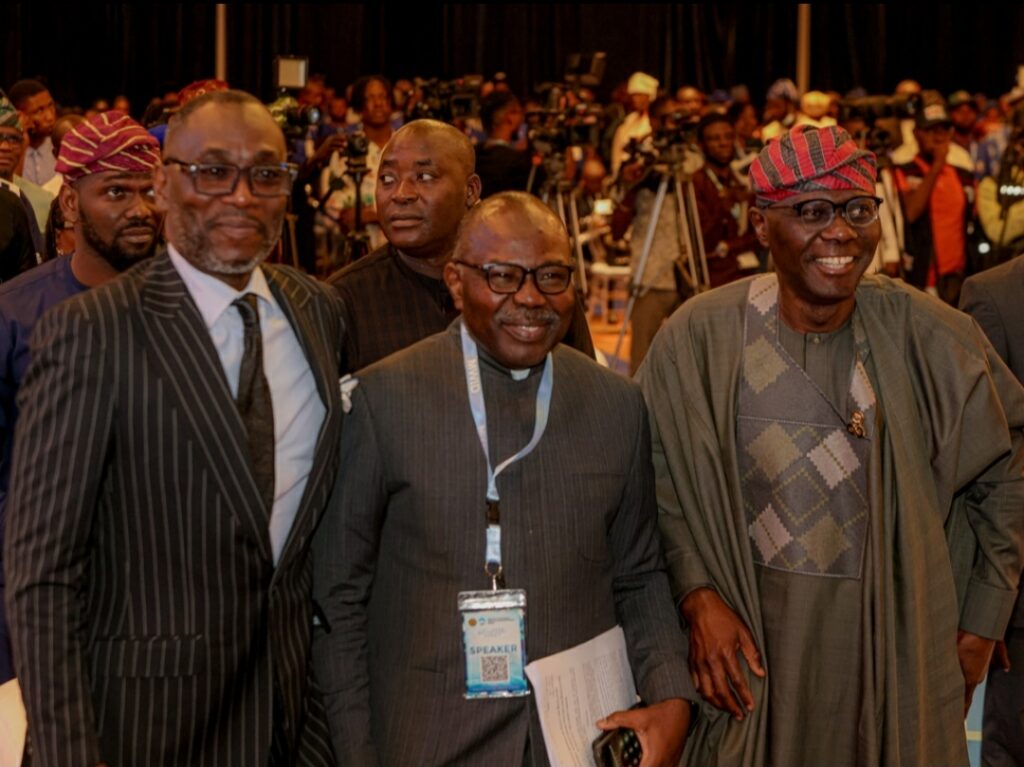
at the 1st Lagos State Waterfront Summit held on Thursday


Governor Babajide Olusola Sanwo-Olu has warned individuals and groups engaged in illegal dredging, unregulated sand mining and reckless land reclamation across Lagos State’s waterfronts to desist or face the full weight of the law.
Speaking at the 1st Lagos State Waterfront Summit held on Thursday at Eko Hotels and Suites, Victoria Island, the governor declared that environmental infractions threatening the future of Lagos would no longer be tolerated.
“Let me be perfectly clear: those who profit from illegal dredging, reckless land reclamation and environmental destruction are jeopardizing the future for generations to come, and Lagos will no longer tolerate it,” Sanwo-Olu said.
The summit, themed “Pressure on the Lagoon: The Lagos Experience”, drew participants from government, academia, the private sector and waterfront communities. The governor decried the rapid degradation of Lagos’ coastal and marine assets, citing illegal human activity and the effects of climate change as key drivers of erosion, flooding and the displacement of communities.

Sanwo-Olu referenced recent visits to vulnerable communities such as Ibeshe, Ilashe and Inagbe, where residents are already suffering the consequences of waterfront mismanagement. He described Idotun Village, once thriving but now almost consumed by the Atlantic Ocean, as a grim warning of what inaction could lead to.
“This is the human face of coastal erosion… a wake-up call that we must act urgently and decisively,” the governor said, noting that over 80 percent of Lagos’ shoreline has been lost in the past five decades. He added that government was strengthening the Ministry of Waterfront Infrastructure Development, empowering local communities and enforcing stricter regulations to protect the state’s coastline.

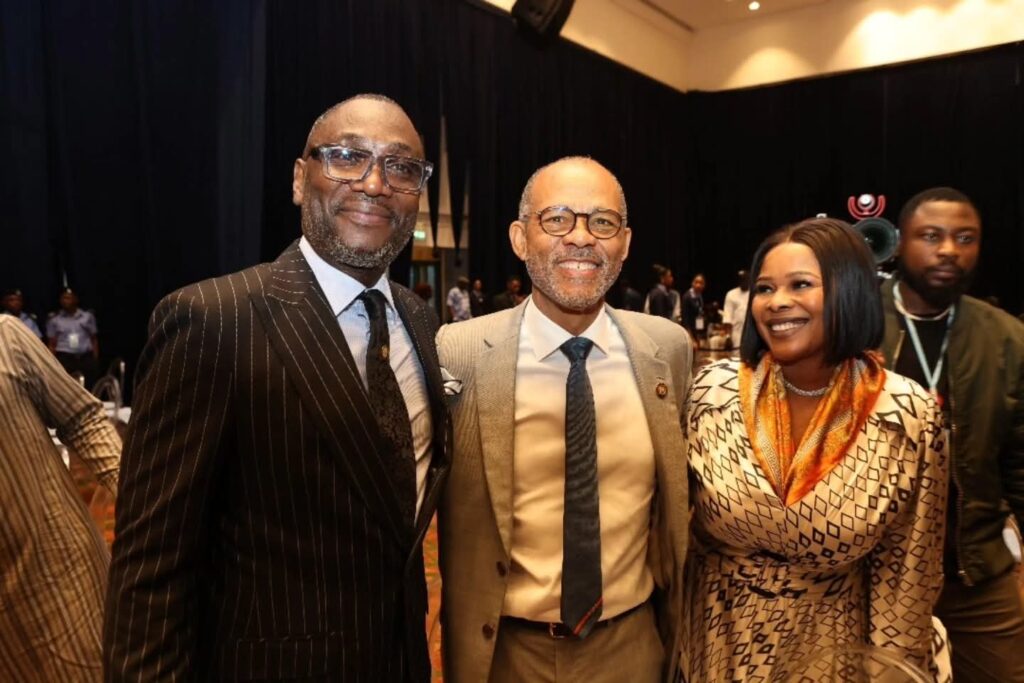
Former Lagos commissioner for environment, Muiz Banire (SAN), who delivered the keynote address, echoed the governor’s concerns and called for collective action to protect the Lagos Lagoon. Banire said preservation of the lagoon was a shared responsibility that went beyond government, urging lawmakers, regulators, industries and citizens to embrace sustainable environmental practices.

“This is not the fight of government alone. This is the fight of us all. Regulators must craft visionary laws, legislators must enact laws that endure beyond politics, and regulators must enforce them without fear, favour, or compromise,” Banire said. He challenged industries to adopt sustainable practices and prioritise long-term environmental security over short-term profits.
Banire also faulted the federal government for allegedly misrepresenting a Supreme Court judgment on waterfront property. He said the ruling in the suit between Lagos State and the National Inland Waterways Authority (NIWA) did not confer ownership of waterfront land on the federal government, contrary to how it has been interpreted.
“In that case, nowhere was the issue of ownership of land, whether on the waterfront or island, a subject of consideration or pronouncement by the court,” he said, recalling that the matter began with an interpleader summons by the Incorporated Trustees of the Association of Tourist Boat Operators and Water Transporters of Nigeria and the Incorporated Trustees of Dredgers Association of Nigeria.

Earlier in his remarks, the commissioner for waterfront infrastructure development, Dayo Bush-Alebiosu, said the lagoon was more than just water, describing it as a source of life, culture, economy and identity for millions of Lagosians. He warned that unchecked pollution, urbanisation, illegal dredging and climate change were depleting fish stocks, undermining food security and threatening the livelihoods of artisanal fishermen.
“We have all witnessed how some coastal communities like Idotun village have been swept away. If nothing is done, more communities, livelihoods and opportunities will be lost,” he said.
Bush-Alebiosu stressed that failure to act would mean losing not only a vital ecosystem but also an irreplaceable economic asset.