

Society
Lagos Pursues Global Solutions, PPPs To Save Its Eroding Coastline
doubling down on efforts to protect lives, livelihoods, and critical infrastructure

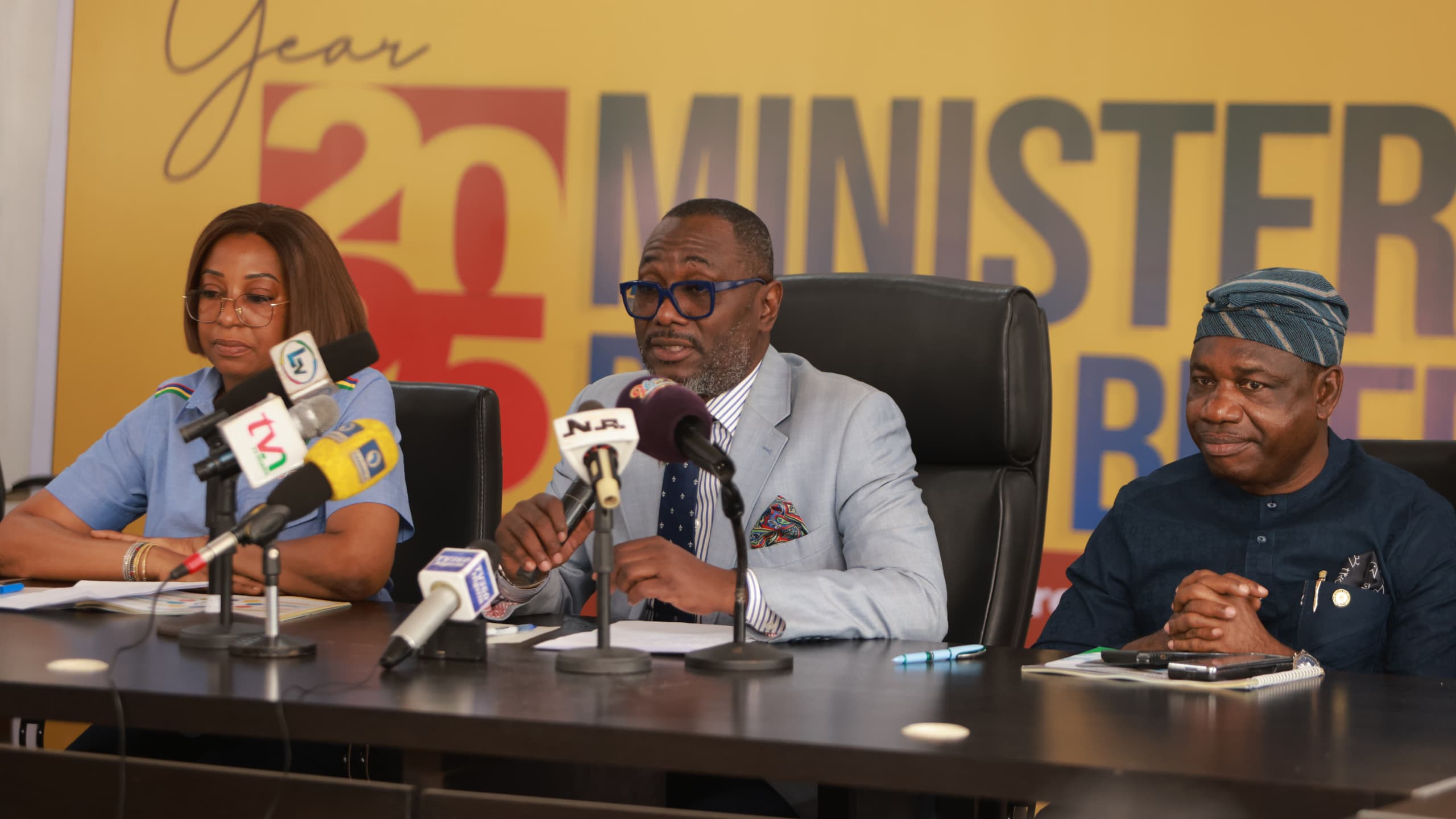
Faced with the growing threat of coastal erosion along its extensive 180-kilometre shoreline, the Lagos State Government is doubling down on efforts to protect lives, livelihoods, and critical infrastructure through global collaboration, innovation, and sustainable engineering.
At the forefront of this initiative is the Lagos State Ministry of Waterfront Infrastructure Development, which is spearheading a bold strategy to deploy advanced groyne technology—rigid hydraulic structures proven to interrupt water flow and reduce sediment loss along coastlines. The scale of this intervention, however, comes with a staggering financial implication: over N3 trillion is required to stretch this solution across the state’s entire vulnerable waterfront.
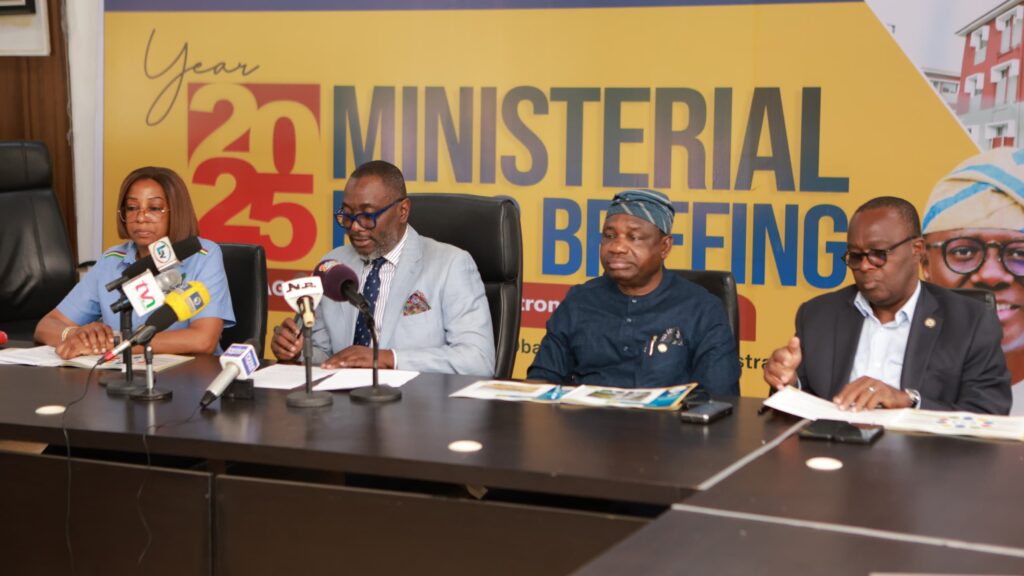
Speaking during the 2025 Ministerial Press Briefing in Alausa, the State Commissioner for Waterfront Infrastructure Development, Hon. Ekundayo Alebiosu, emphasized that tackling the looming crisis will require more than state resources alone. He disclosed that the Lagos State Government is actively seeking strategic partnerships, both local and international, to implement long-term, climate-resilient coastal management solutions.
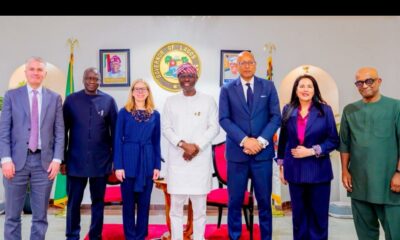
To this end, Alebiosu led a high-level delegation to the Kingdom of the Netherlands—a country globally acclaimed for its advanced coastal engineering expertise. Joined by the Ministry’s Permanent Secretary, Mrs. Lolade Aina, the Lagos team explored the Dutch model of integrated shoreline protection, which combines groynes, sand nourishment, and nature-based defenses to combat sea encroachment.
“Our visit to the Netherlands was about learning from global best practices and adapting them to our local context,” Alebiosu said. “While we have already begun deploying groynes in parts of Lagos, the financial outlay required to cover the full 180km shoreline makes it clear that we cannot do this alone. Strategic partnerships are not optional—they are essential.”
Groyne technology, already in use in Lagos, has proven effective in reducing coastal erosion. However, according to Alebiosu, each unit comes at a high cost, and with hundreds needed, the financial burden is beyond the reach of state coffers alone.
“This is a national issue,” he stressed. “The consequences of coastal erosion extend beyond Lagos. It threatens economic activity, real estate investments, and the safety of entire communities. That’s why we are calling for urgent collaboration with the Federal Government and the private sector through a robust Public-Private Partnership (PPP) framework.”
The Commissioner underlined that the intervention aligns with Governor Babajide Sanwo-Olu’s administration’s broader goals of safeguarding public and private assets, securing lives, and unlocking the economic potential of Lagos’ waterfront assets.
“Time is not on our side,” Alebiosu warned. “If left unchecked, coastal erosion could wipe out entire communities, destabilize ecosystems, and erode billions of naira in investments. What we need now is decisive action backed by strategic collaboration and sustainable financing.”
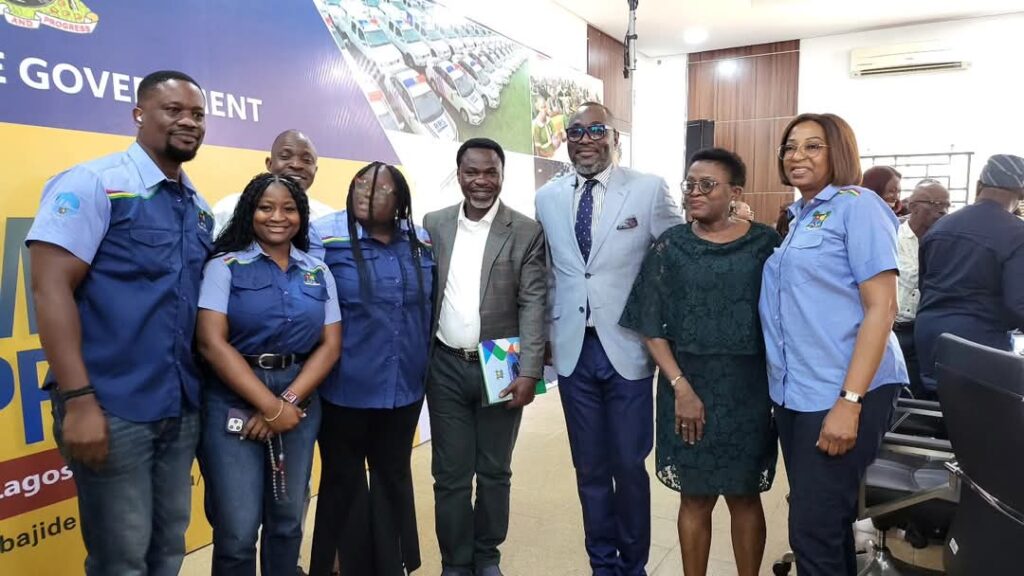
The Ministry reiterated its commitment to working with international development partners, federal agencies, and private investors to implement durable, climate-smart infrastructure that will secure the future of Lagos’ coastlines for generations to come.
Through a blend of innovation, international cooperation, and strategic funding, Lagos is charting a path from environmental vulnerability to coastal resilience—a journey that could serve as a model for other coastal regions in Nigeria and beyond.