

Politics
Inside Suspended Rivers Gov Siminalayi Fubara’s Lay-Low Strategy To Reclaim Seat
is quietly orchestrating his next move

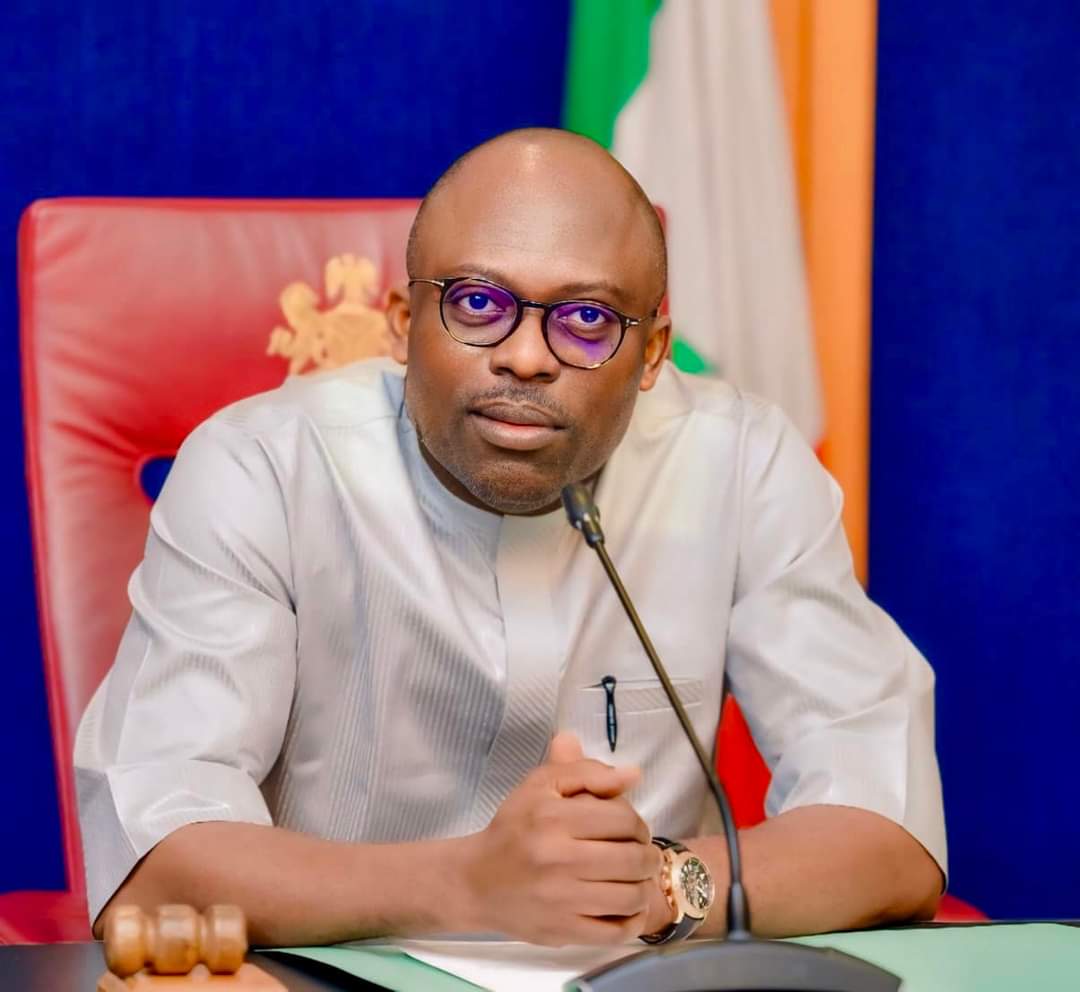
In a political drama that has left Rivers State on edge, suspended Governor Siminalayi Fubara is quietly orchestrating his next move, adopting a lay-low strategy that hints at a deliberate and patient bid to reclaim his seat.
When President Tinubu declared a state of emergency on March 18, 2025, suspending Fubara, his deputy, and the entire House of Assembly, it seemed like a fatal blow to his administration. Yet, rather than fighting back with fire, Fubara has chosen a different path—one marked by compliance, strategic patience, and subtle coalition-building.
Key among the developments is his declaration that he is not desperate to return to office.
He stated publicly that he “now looks better than when I was in office,” signaling a calm acceptance of his temporary removal while quietly maintaining his influence. This unexpected tone of restraint contrasts with the often fiery rhetoric of embattled politicians and has helped him sustain his political relevance without appearing confrontational.
Behind the scenes, Fubara’s legal team is pressing a Supreme Court challenge against the federal government’s move, joining seven other PDP-led states in contesting the constitutionality of suspending a democratically elected governor. This legal battle, while slow-moving, could ultimately force a reversal of the emergency rule or at least create the momentum for a negotiated return.
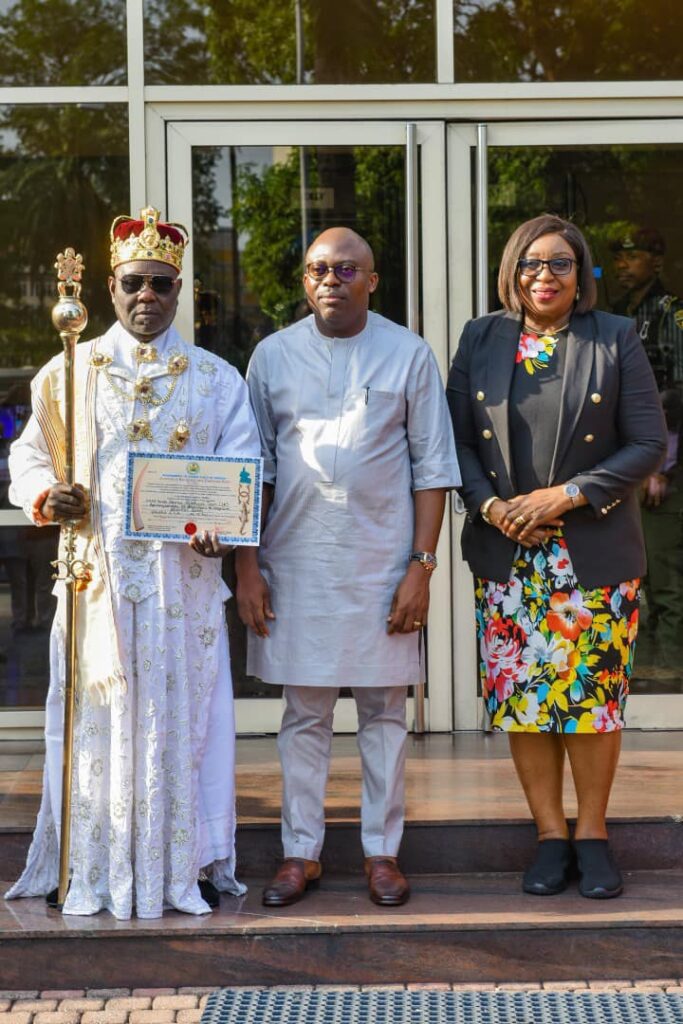
Meanwhile, grassroots support for Fubara remains strong, with kinsmen and regional leaders denouncing the suspension as unconstitutional and demanding his immediate reinstatement.
The Ijaw leaders, for instance, have publicly called on President Tinubu to lift the emergency decree, arguing that Rivers State has remained peaceful and does not justify such a draconian measure. This community pressure adds another layer of complexity for Abuja, which may find it increasingly difficult to sustain the emergency rule amid growing local discontent.
While his supporters rally, Fubara has also made it clear he is committed to the peace process that was underway before the suspension.
In his second anniversary broadcast, he assured Rivers residents that he would continue to abide by the Supreme Court’s orders, including on the implementation of the local government budget and other key governance issues. This consistent messaging of peace and compliance reinforces his image as a responsible leader, positioning him as a viable option when the political dust settles.
Yet, the strategic silence is also a shield. By not rushing back to office or inciting protests, Fubara avoids giving his opponents fresh ammunition.
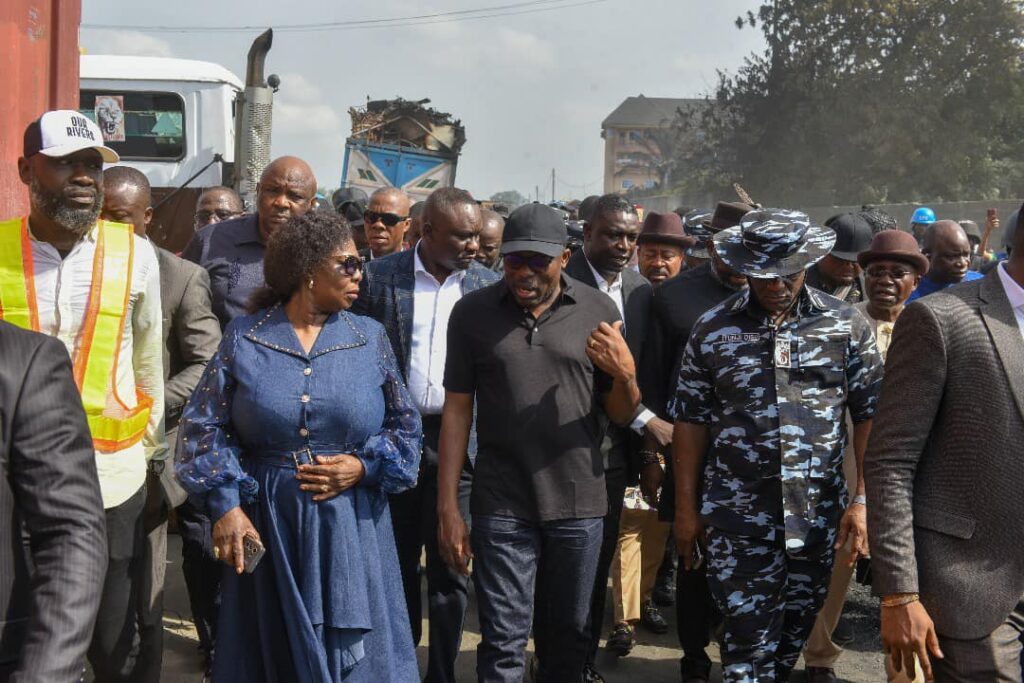
He knows that the emergency rule effectively put impeachment proceedings on hold, buying him time to regroup and plan a more coordinated comeback.
Observers say his political calculations extend to rebuilding alliances within the PDP and reaching out to influential lawmakers, particularly the faction led by Martins Amaewhule, who could play a decisive role in his reinstatement.
As the Supreme Court deliberates and federal authorities weigh their next steps, Fubara’s carefully curated image of patience and legality stands in stark contrast to the high-stakes drama that unfolded in March. His lay-low strategy—marked by court challenges, grassroots mobilization, and strategic messaging—may yet see him reclaim the Government House in Port Harcourt.
Whether through a court victory, federal intervention, or a negotiated settlement, Siminalayi Fubara’s path back to power is being paved quietly, one calculated step at a time.