

Politics
“How Lagos Is Unlocking Future Of Waterfront Development” – Alebiosu
how the Ministry of Waterfront Infrastructure Development (MWID) is reimagining its role

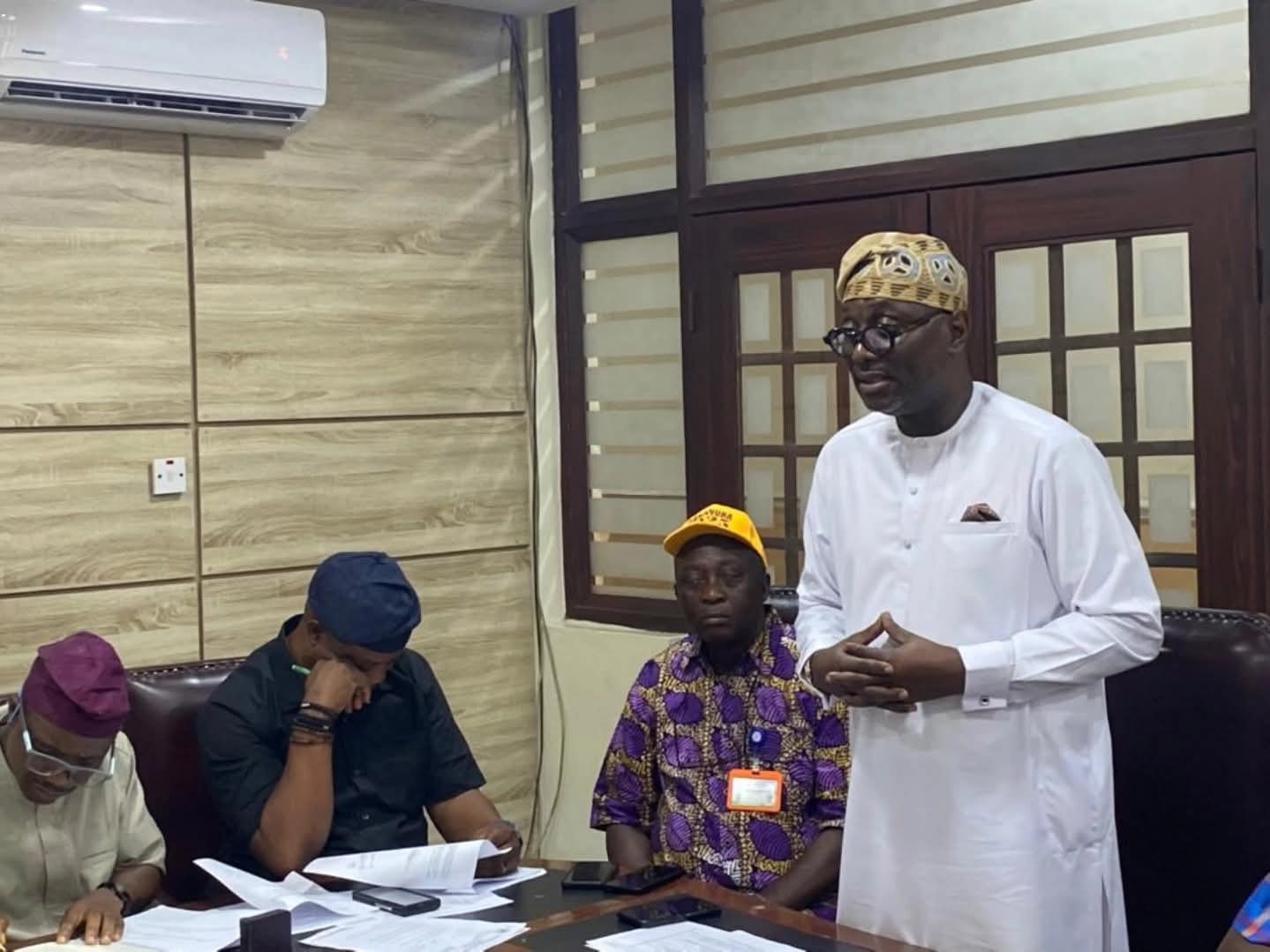
As part of concerted efforts toward transforming Lagos into a resilient, blue-economy powerhouse, the Lagos State Commissioner for Waterfront Infrastructure Development, Dayo Alebiosu, engaged the Lagos State House of Assembly on Wednesday, June 18, to present a comprehensive update on the Ministry’s evolving mandate.
The session, held at the Assembly Complex in Alausa, Ikeja, marked more than a statutory obligation—it offered a platform for shaping the future of Lagos’ waterfronts through shared vision, policy synergy, and legislative alignment.
Alebiosu, who has emerged as one of the state’s most forward-looking commissioners, used the occasion to articulate how the Ministry of Waterfront Infrastructure Development (MWID) is reimagining its role in the broader urban development architecture of Lagos.
With the coastline becoming a critical frontier for infrastructure investment, environmental protection, and economic expansion, the briefing was timely, strategic, and grounded in real-time realities.
“Our engagement with the House wasn’t just about reporting progress—it was about forging deeper collaboration and ensuring that our policy frameworks align with legislative insight and public expectations,” Alebiosu noted, following his session with the lawmakers.
“We are building a Lagos that is resilient, inclusive, and sustainably developed through the blue economy lens.” he added.
At the heart of Alebiosu’s presentation was the emphasis on cross-ministerial and inter-agency collaboration.
The Commissioner outlined how ongoing partnerships between the MWID, Ministries of Physical Planning, Transportation, Environment, and private sector actors are redefining land-water interface management.
These efforts include shoreline protection, waterfront regeneration, real estate planning, inland water transportation integration, and climate resilience infrastructure.
Such coordination, he explained, is not only enhancing the value of waterfront assets but also creating new investment channels for Lagos’ real estate, tourism, and marine economies.
Members of the Lagos State House of Assembly, particularly the House Committee on Waterfront Infrastructure, expressed strong support for the Ministry’s evolving initiatives.
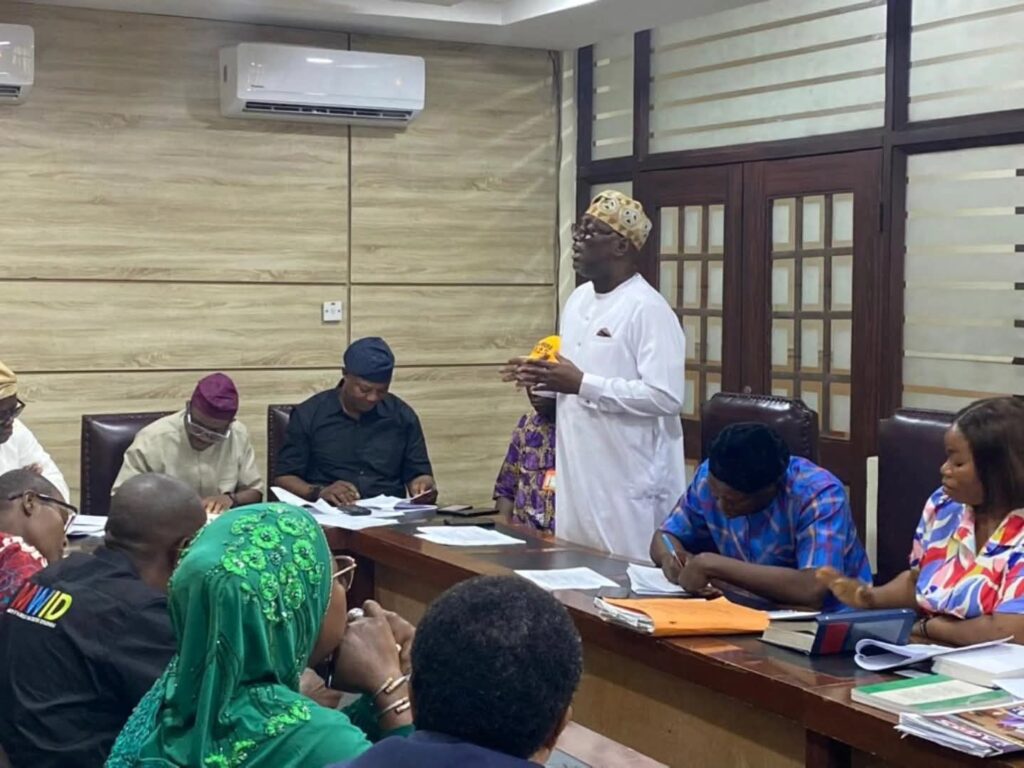
The robust exchange underscored the growing recognition within the legislature of the role strategic oversight plays in facilitating innovation-led governance.
It also highlights the Ministry’s proactive approach and Advocacy for policies that enhance access, equity, and environmental sustainability across waterfront communities—many of which have historically been underdeveloped or neglected.
With over 180 kilometers of coastline and thousands of hectares of waterfront property, Lagos stands uniquely positioned to develop a thriving blue economy.
Alebiosu’s session emphasized how the Ministry’s strategy aims to move beyond traditional infrastructure thinking, framing the waterfront not just as real estate, but as a dynamic ecosystem with opportunities in logistics, fisheries, energy, culture, and climate adaptation.
By fostering a policy ecosystem that prioritizes smart urban planning, sustainable dredging practices, community engagement, and environmental stewardship, the Commissioner affirmed that MWID is positioning Lagos to be a continental model in waterfront infrastructure transformation.
As Lagos continues its rapid urban growth trajectory, forums like the June 18 engagement with the State Assembly are becoming increasingly vital. They serve as incubators for shared governance, long-term planning, and political will—three elements that Alebiosu believes are essential to delivering world-class infrastructure outcomes.
With the support of the Assembly and the broader public sector ecosystem, Lagos’ waterfront transformation is no longer a distant vision—it is a developing reality, one policy dialogue at a time.