

Society
Chief Of Air Staff, Abubakar Charges Future Commanders To Lead By Example
serve with courage, and manage with prudence.

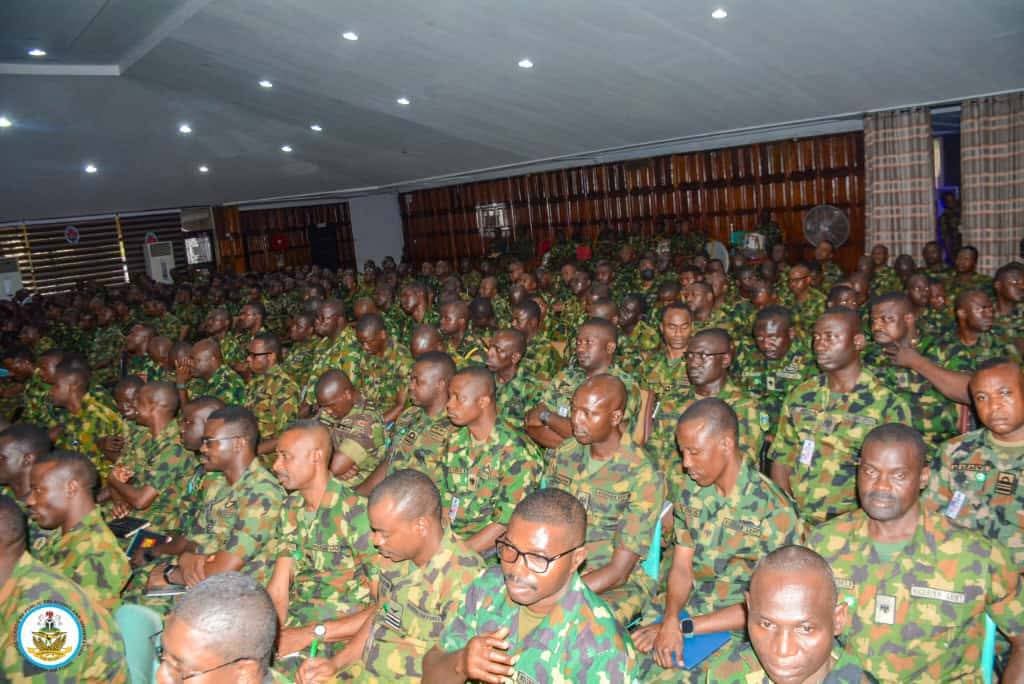
The Chief of the Air Staff (CAS), Air Marshal Hasan Bala Abubakar, has urged future commanders of the Armed Forces to lead by example, serve with courage, and manage with prudence.
He also urged future commanders to embrace mentorship, describing it as the bridge between experience and potential that preserves leadership wisdom and sustains operational excellence.
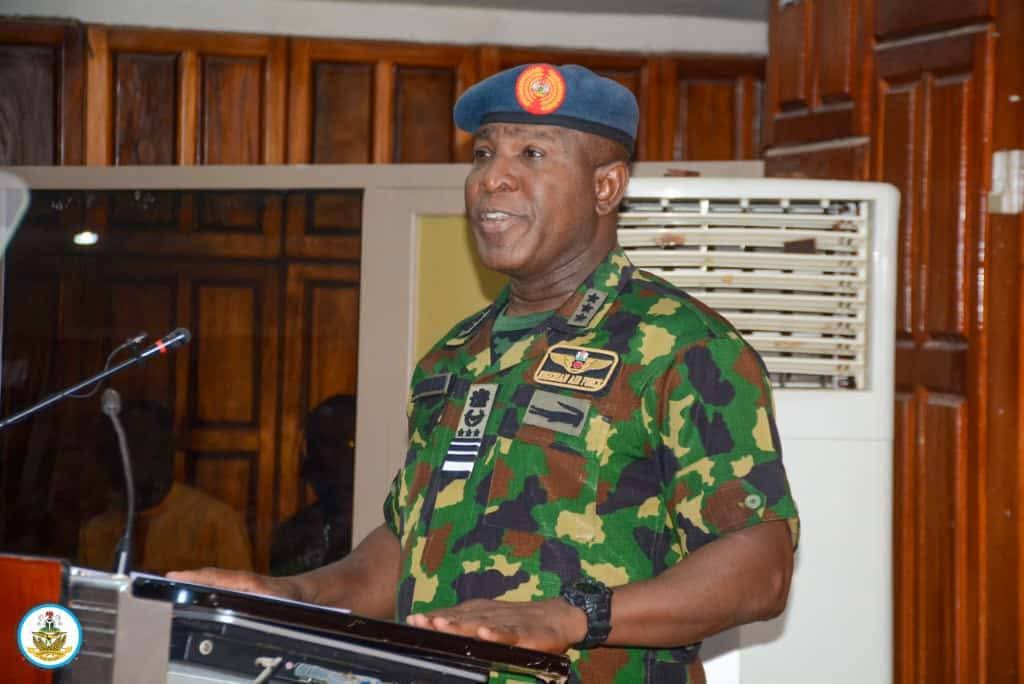
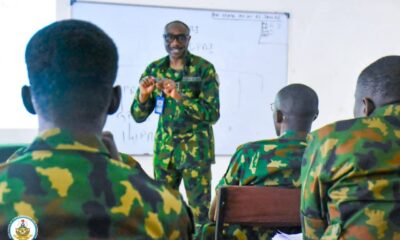
Delivering a lecture titled “From Vision to Reality: Strategic Leadership Insights from the CAS Command Philosophy” to students of both Senior and Junior Staff Courses of the Armed Forces Command and Staff College (AFCSC), Jaji, on 10 October 2025, the CAS stressed that leadership defines success or failure in any organisation.
He noted that the NAF’s transformation under his watch is anchored on five enablers, optimising force structure, mission-oriented training, proactive logistics, research and development, and improved welfare.
According to him, these enablers, driven by leadership by example, courage, and prudence, have enhanced the NAF’s agility, resilience, and operational responsiveness across all theatres.
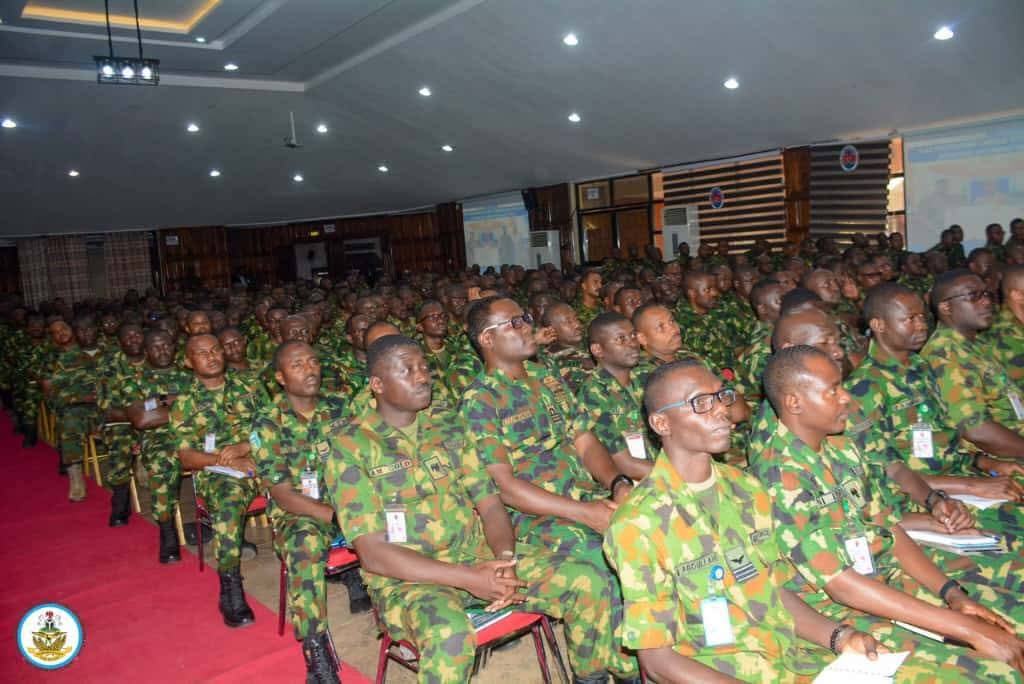
Underscoring leadership by example, the CAS revealed that he had undertaken over 40 operational visits covering 98 of 99 NAF units nationwide within two years, visits aimed at inspiring troops and reinforcing accountability.
The CAS also highlighted courage as a defining quality of command, citing his leadership response to the 2023 Rukubi incident in Nasarawa State, where moral courage and accountability inspired reforms that birthed the Civilian Harm Mitigation and Response Action Plan, an initiative that earned international commendation and contributed to the lifting of US arms sale restrictions.
Under his leadership, the NAF has recorded significant strides, including the acquisition of 15 new aircraft, with 46 more expected, over 3,000 sorties flown as of September, and an improvement in aircraft serviceability from 66 to 70 per cent.
These achievements, he noted, reflect courage to reform, leadership to inspire, and prudence in managing resources.
He also cited the establishment of new structures such as the Transformation and Innovation Branch, Directorate of Aircraft Life Cycle Management, and Directorate of Peace Support Operations as part of efforts to institutionalise efficiency and sustainability. Charging the students to embody courage and integrity as hallmarks of command, Air Marshal Abubakar urged them to lead with conviction rather than convenience. According to him, “If you hold fast to these ideals, history will remember you not merely as officers who served, but as leaders who transformed.”
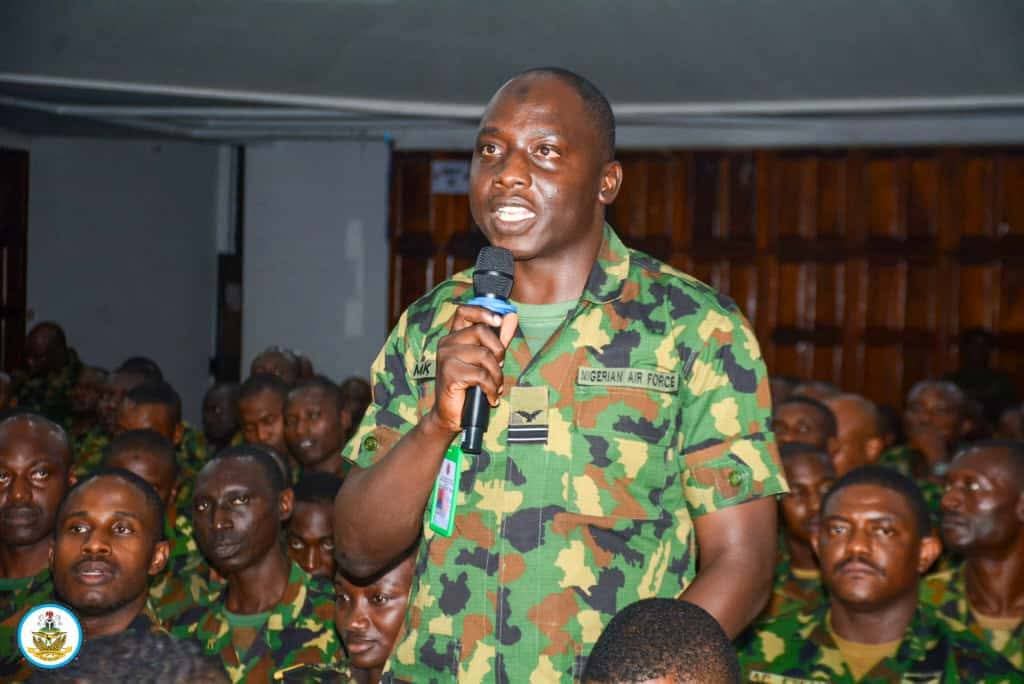
The lecture was followed by a vibrant interaction between the CAS and future commanders, allowing candid discussions and exchange of insights essential for effective leadership and professional growth.