

Society
Akeredolu’s Ex-Aide Says No Bodies Buried At Demolished Owo Memorial Park
constructed in honour of victims of the tragic terrorist attack on St. Francis Catholic Church

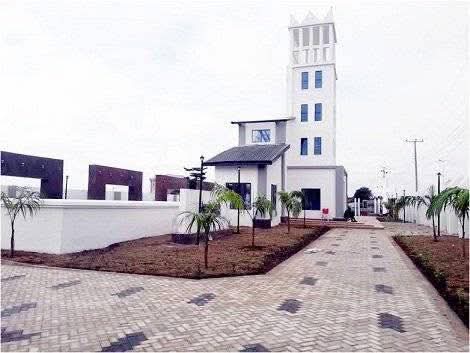
Amid rising public outcry and emotional reactions following the demolition of the Owo Memorial Park, the former Chief Press Secretary to the late Governor Oluwarotimi Akeredolu, Olabode Richard Olatunde, has broken his silence to clarify the circumstances surrounding the creation of the park – respond to growing speculations around its recent demolition.
The memorial park, constructed in honour of victims of the tragic terrorist attack on St. Francis Catholic Church in Owo on June 5, 2022, was reportedly brought down on the orders of Governor Lucky Aiyedatiwa.
According to information attributed to the state government’s media aides, the demolition followed a request by the Olowo-in-Council, which expressed concern over the burial-like appearance of the site’s proximity to the palace.
However, Olatunde, in a public statement issued on Saturday, June 22, 2025, firmly addressed the swirling controversy, stating unequivocally that no bodies or corpses were interred at the site.
“The park was constructed to celebrate the lives and memories of the departed souls. Not a single body was buried there,” he said.
He went further to recount how the late Governor Akeredolu had followed due process in selecting the park’s location.
According to him, Akeredolu convened a meeting with the Olowo of Owo, Oba Ajibade Gbadegesin Ogunoye III, along with the monarch’s chiefs and political appointees from Owo.
At the meeting, the governor clearly articulated his vision for the memorial, and in an act of deference, even offered to relocate the project if the palace was uncomfortable with the chosen site.
“The Olowo and his chiefs agreed to the chosen site. I was present at that meeting,” Olatunde affirmed, pushing back on claims that the project lacked traditional backing.
He also decried what he described as attempts by some current government appointees to politicize the issue, asserting that Akeredolu’s motivation in building the park was entirely humanitarian.
“When the late Governor Akeredolu built the park, he was not playing politics. He acted solely on what he believed was necessary and appropriate. It is sad that some government appointees are now injecting political undertones into this matter. This is very unfortunate,” Olatunde said.
The former spokesman warned that the demolition, given the emotional weight of the massacre, would inevitably reopen deep wounds for grieving families and survivors of the attack, which claimed over 40 lives and shocked the world.
“This was an international tragedy. Given its sensitive nature, I believe the government should have exercised greater caution. The demolition cannot erase Akeredolu’s gallant efforts,” he said.
Olatunde ended his statement on a solemn note, describing the victims of the June 5 attack as “martyrs who died serving God” and praying for their continued eternal rest.
With the palace yet to officially confirm or deny its involvement in the call for demolition, Olatunde’s remarks may serve to shape public discourse and compel further clarity on the matter.
The demolished park had stood not only as a tribute to the slain worshippers but also as a symbol of state empathy and resilience under Akeredolu’s leadership — a legacy some now fear may be in danger of being erased.