

Business
Nigeria Bounces Back As S&P, Moody’s, Fitch Endorse Tinubu’s Economy Reset
places Nigeria on a positive trajectory among major global rating agencies

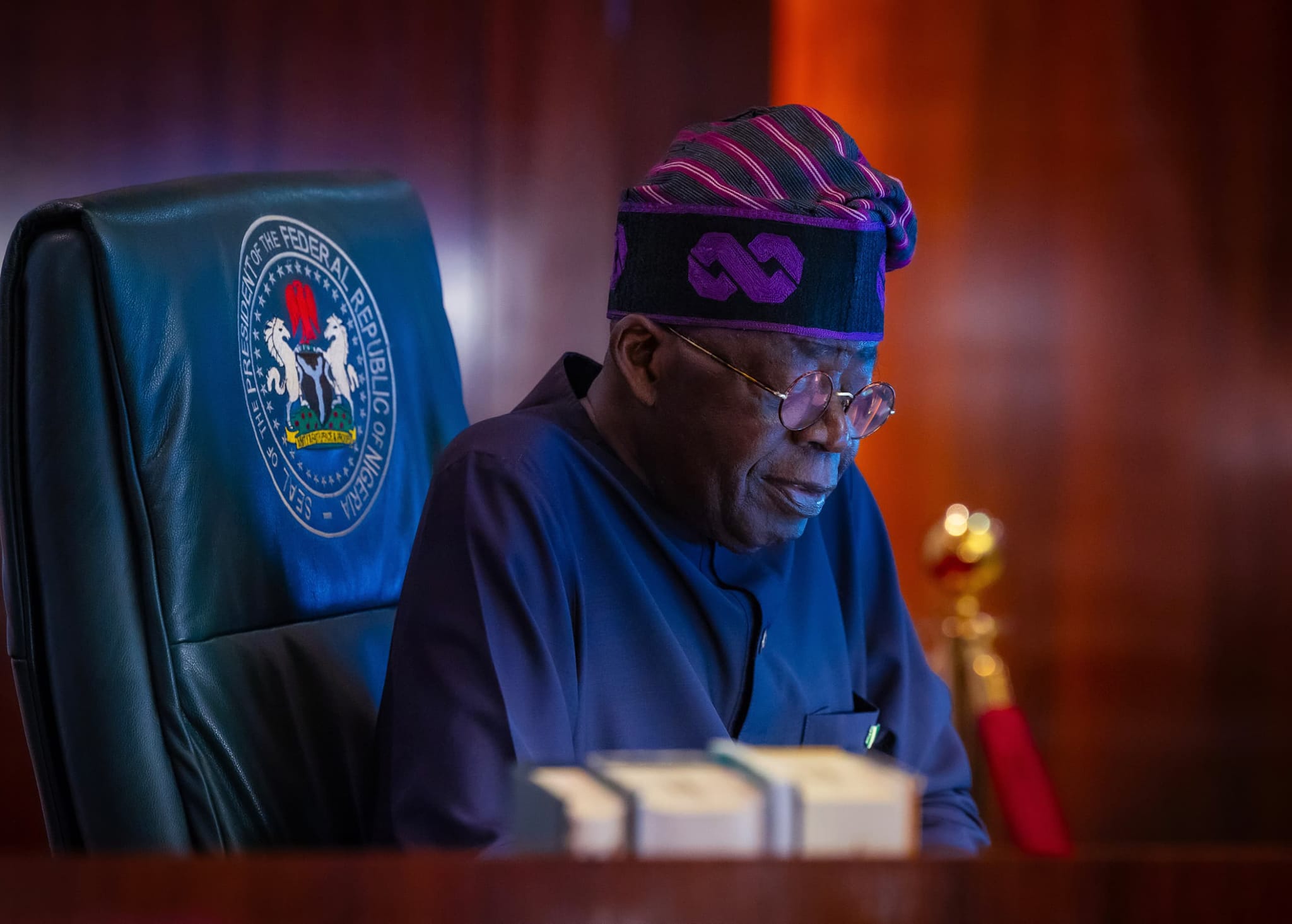
The Federal Government on Friday welcomed the upgrade of Nigeria’s sovereign credit rating by S&P Global Ratings from ‘B-’ to ‘B’ with a Stable Outlook, describing the development as a fresh endorsement of ongoing economic reforms and a signal of strengthening investor confidence.
Speaking on behalf of the government, the Minister of Finance and Coordinating Minister of the Economy, Taiwo Oyedele, said the decision reflects “growing international confidence in Nigeria’s economic reform trajectory, policy consistency, and medium-term growth prospects.”
The latest upgrade places Nigeria on a positive trajectory among major global rating agencies, following earlier favourable assessments by Fitch Ratings and Moody’s in 2025, in what officials described as “a rare convergence of improved external perception of Nigeria’s reform direction.”
S&P said the upgrade reflects improved external buffers, stronger balance of payments dynamics, rising oil production, and expanding domestic refining capacity, alongside continued implementation of foreign exchange market reforms. The agency also noted progress in fiscal consolidation efforts and steps aimed at improving revenue mobilisation and debt sustainability.
Oyedele said the assessment validates ongoing policy actions under President Bola Ahmed Tinubu’s administration, adding that “the difficult but necessary reforms undertaken are yielding measurable results and laying the foundation for a more stable, transparent, and resilient economy.”
Officials further said the ratings upgrade reinforces “growing international confidence in Nigeria’s economic reform trajectory, policy consistency, and medium-term growth prospects,” adding that it strengthens the country’s positioning in global capital markets.
The government highlighted improvements in fiscal indicators, noting that Nigeria’s debt-to-revenue profile has improved since 2023 and is expected to strengthen further as reforms mature. It also pointed to ongoing efforts to widen the tax base, improve public revenue, and enhance transparency in public finance.
On energy policy, the administration restated its position against the return of fuel subsidies, describing them as fiscally unsustainable and distortionary. It said subsidy removal has helped reduce pressure on public finances and improve market efficiency, despite short-term economic challenges.
The government also reaffirmed commitment to a market-driven economic framework, anchored on transparency, competition, and regulatory oversight, noting that policy stability remains central to sustaining investor confidence.
While welcoming the positive ratings momentum, officials acknowledged lingering economic pressures, including inflation and cost-of-living concerns, but said government is focused on “ensuring that growth translates into meaningful and inclusive prosperity for all Nigerians.”
The statement said all tiers of government will continue implementing reforms in a coordinated manner, while engaging citizens on the ongoing adjustment process.
It added that the improved outlook from global rating agencies is expected to “further strengthen Nigeria’s access to international financing and attract long-term investment inflows,” as the country pushes to consolidate macroeconomic stability.