


Society
5 Signs Your Taste Is Maturing – And It Is Not About How Much Money You Have
more about building a lifestyle that feels intentional


There was a time when good taste was often measured by how much you could spend. The biggest table, the loudest celebration, the most recognizable labels and the trend everyone else was talking about. Today, that definition is quietly changing.
Among a growing number of young professionals, entrepreneurs and creatives, taste is becoming less about following what everyone else is doing and more about building a lifestyle that feels intentional.
From the restaurants people return to, the books they recommend, the music they revisit and even the drinks they choose, personal preference is beginning to matter more than popularity.
The shift isn’t simply about luxury. It is about appreciation, and perhaps that is the clearest sign that taste is something developed over time rather than something bought overnight.
- You Stop Following Trends and Start Trusting Your Preferences
The first sign of maturing taste is recognising that trends are temporary, but personal preference lasts much longer.
Social media has made it easier than ever to discover what’s popular, but it has also made it harder for people to distinguish between what they genuinely enjoy and what everyone else expects them to enjoy. Whether it’s fashion, music or food, people are becoming more comfortable choosing what resonates with them instead of what is receiving the most attention. The confidence to choose differently is often what separates personal taste from public opinion.
- You Become More Interested in Craft Than Popularity
The more refined your taste becomes, the more curious you become about how things are made.
Instead of asking “Is everyone talking about this?”, the questions become “Who made it?”, “What makes it different?” and “Why has it stood the test of time?”
Across fashion, architecture, design and gastronomy, craftsmanship has become one of the defining qualities people look for. It represents patience, attention to detail and a commitment to quality that trends cannot replicate.
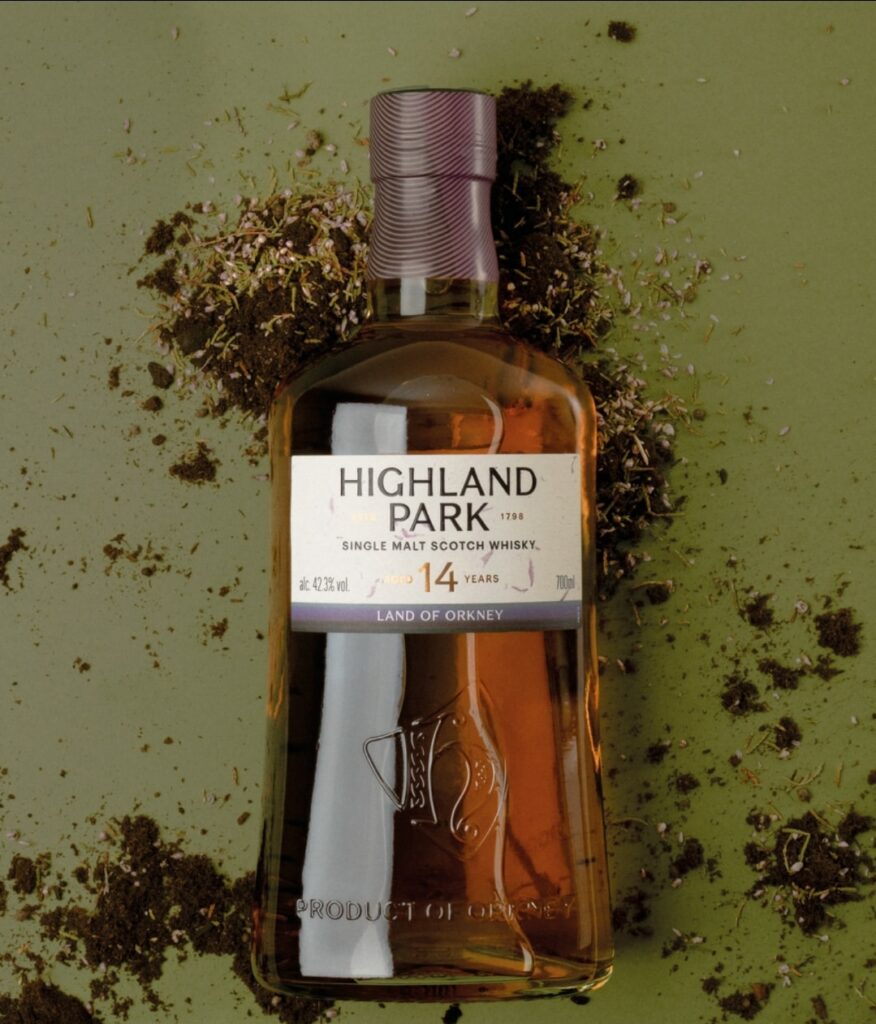
It is the same philosophy that continues to define premium single malts like Highland Park, where generations of whisky-making expertise have shaped a spirit recognised for its depth, balance and character.
- Your Best Evenings Become Smaller But More Meaningful
Not every memorable evening needs a crowd. Increasingly, some of the most rewarding social experiences are happening around intimate dinner tables, rooftop conversations and carefully curated gatherings where the focus is less on spectacle and more on connection.
These moments allow people to slow down, enjoy good conversation and appreciate quality over quantity. It is also why premium whiskies are finding a place within these settings, not as the centre of attention, but as part of an experience built around thoughtful hosting and shared moments.
- You Appreciate Experiences That Reward Patience
Whether it is learning to appreciate contemporary art, discovering independent restaurants or understanding the complexity of a well-crafted whisky, some experiences become more rewarding the more time you spend with them.
They are not designed for instant gratification. Instead, they invite curiosity and reward those willing to look beyond first impressions.
Highland Park has built its reputation on that same principle. Rather than chasing fleeting trends, its whisky-making tradition has remained rooted in craftsmanship and careful maturation, allowing every expression to tell its own story through time.
- You Realise Taste Is Less About Impressing Others and More About Knowing Yourself
Perhaps the biggest misconception about taste is that it exists to impress other people.
In reality, refined taste is often quiet. It is reflected in the choices people make consistently rather than the ones they make for attention. It appears in the places they return to, the experiences they value and the products they continue to appreciate long after the excitement of something new has faded.
Because in the end, good taste isn’t about owning the most expensive things. It is about recognising quality when you see it, appreciating the craft behind it and choosing experiences that genuinely reflect who you are.