


Business
$1B Investment: NCC Partners NSA On Security For Telecoms Infrastructure
securing telecoms assets is vital to sustaining recent progress

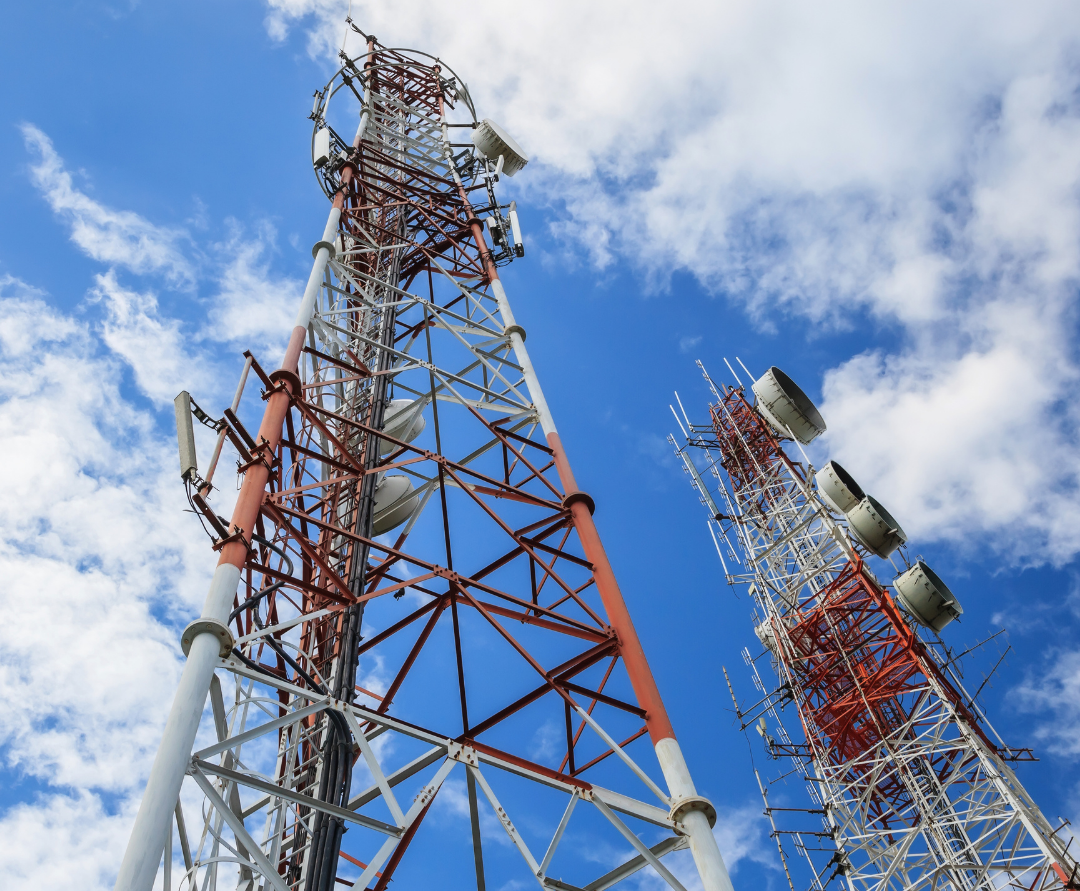
The Nigerian Communications Commission (NCC) says it is collaborating with the office of the national security adviser (NSA) to put in place new frameworks aimed at protecting telecoms infrastructure across the country.
Aminu Maida, executive vice-chairman of the NCC, disclosed this during an interactive session with journalists in Lagos on Friday. He said the strategy is being designed to respond to the unique security challenges operators face in different parts of the country.
According to him, the approach will include community engagement in coastal areas, stronger civil defence presence in high-risk zones, and rapid response mechanisms tailored to the threats in each region.
“The idea is not just to deploy force but to address the root causes of insecurity around telecoms infrastructure. Weak site security, generator theft, and recurring disputes within communities are major challenges we are tackling,” he said.
Maida explained that the commission has observed how frequent attacks on base stations and equipment theft disrupt service quality and hinder the expansion of networks.
He stressed that securing telecoms assets is vital to sustaining recent progress in the industry.
The NCC boss pointed out that the sector consumes more than 40 million litres of diesel every month to power base stations, most of which is imported. In addition, every item of network hardware and software required to build or upgrade a telecom network in Nigeria must be sourced abroad, creating full dependence on foreign exchange.
“These are heavy operational pressures on operators. There is nothing you need to build or upgrade a network in Nigeria today that you can buy locally. Everything from the hardware to the software has to be imported, and that requires FX,” he said.
He noted, however, that the commission’s decision to return to market-driven pricing earlier in the year has restored investor confidence, reversing years of underfunding in the sector. The policy shift, introduced in January and February, allowed mobile operators to raise tariffs by up to 50 percent after nearly a decade of price stagnation.
“This act alone has allowed investments to flow in. We will reveal more specific figures in the coming weeks after verification, but we are talking about over a billion dollars worth of investment in 2025 alone,” Maida said.
He explained that the reform addressed a long-standing imbalance in the value chain where tower companies could adjust prices annually for inflation and exchange rates, while mobile operators could not. The restriction, he added, had discouraged capital inflows and stalled network expansion.
Maida said operators have already begun taking delivery of new equipment since June, with network upgrades and expansion projects currently underway. “We are closely tracking the rollout. We hold weekly calls with operators to monitor new sites, upgrades, and step in when they face challenges with authorities,” he added.
He stressed that Nigeria must create the right conditions for sustained investment in the sector, warning that the world is moving fast and the country cannot afford to fall behind. He added that the reforms are rooted in the principles of the 2000 telecom policy and the 2003 Communications Act, which empower market forces to determine fair prices while ensuring competition that protects consumers.