

Society
Water Travel Safer, Smoother As Lagos Deploys Super-Pontoons Across Jetties
one of the earliest visible components of the Omi Eko Project

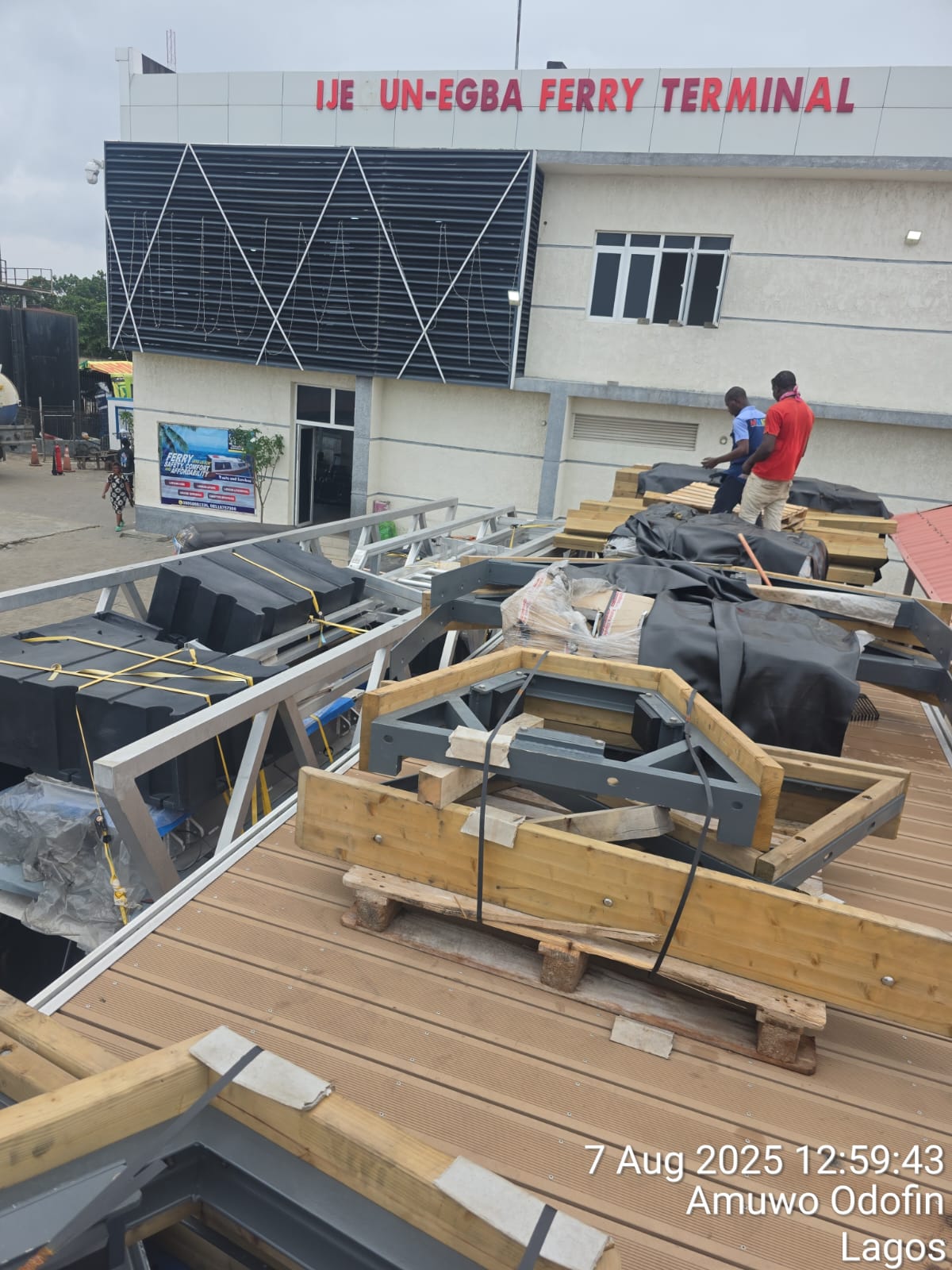
Lagos has begun installing a new generation of concrete floating pontoons across key jetties as part of a sweeping upgrade to its water transport system, a move expected to make boat travel safer, more stable and more appealing to commuters.
The initiative is one of the earliest visible components of the Omi Eko Project — the state’s €410 million modernisation plan aimed at transforming water transportation between now and 2030.
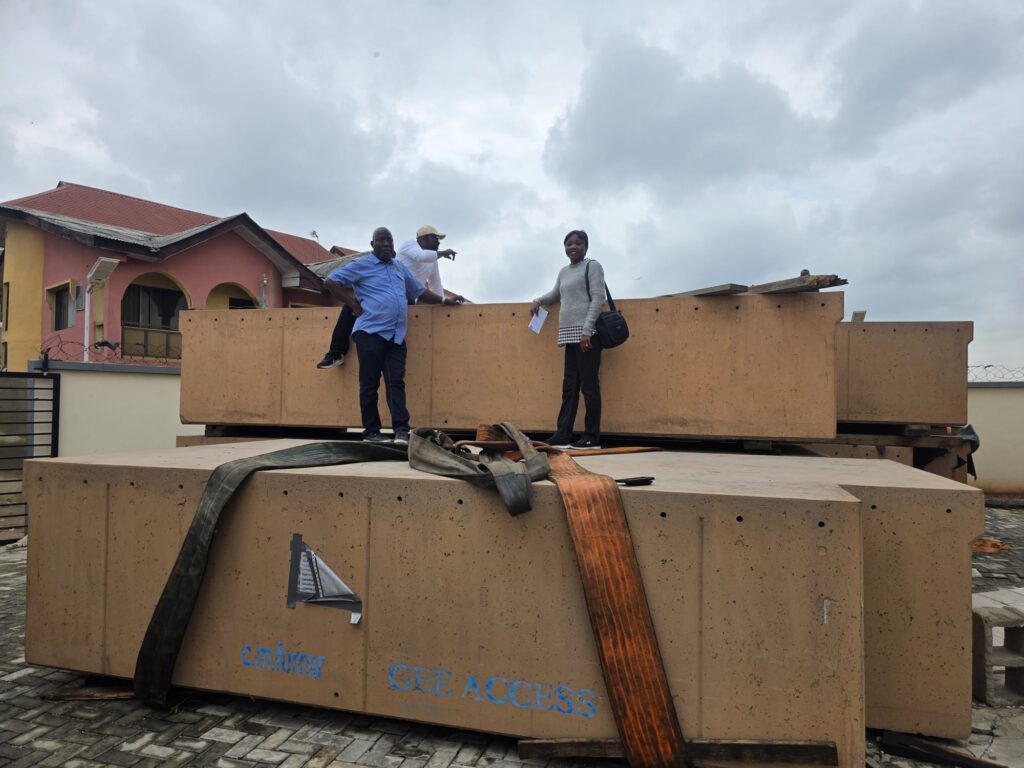
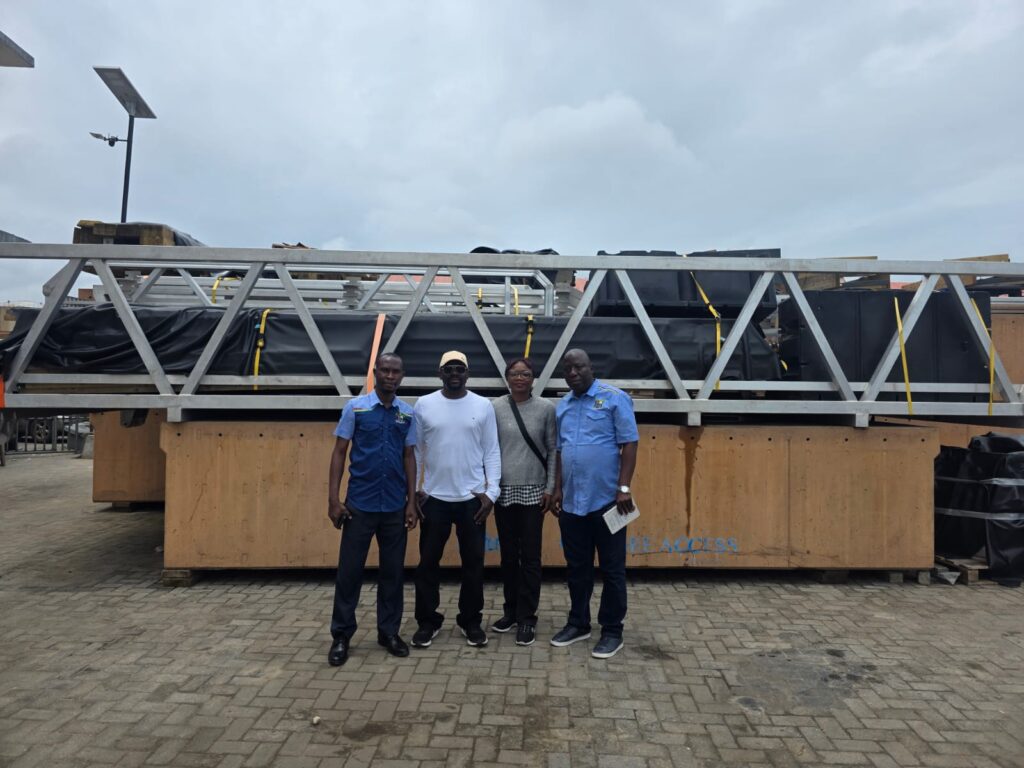
Speaking over the weekend, Dayo Bush Alebiosu, Commissioner for Waterfront Infrastructure Development, said the installations are already underway at Agboyi Ketu in Kosofe, Ijegun Egba in Amuwo Odofin, and Bayeku in Ikorodu.
He described the pontoons as rigid concrete structures engineered to float, withstand wave pressures and eliminate the shaky, unstable platforms that often heighten commuter anxiety.
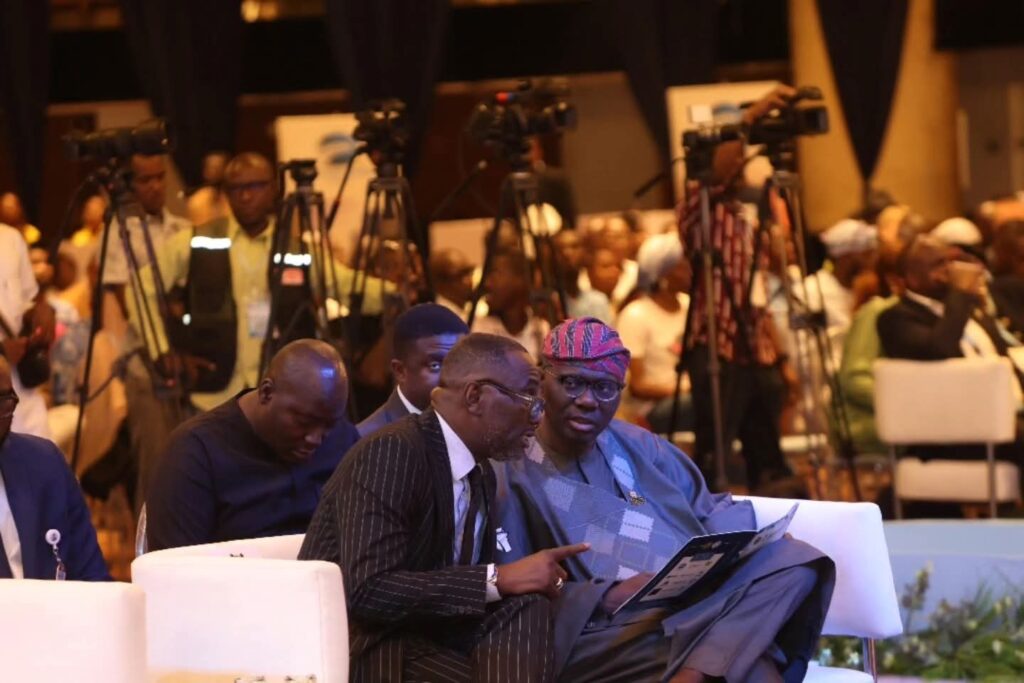
The popular grassroots name said the pontoons give passengers the feeling of boarding from solid ground, providing stability and comfort for people who may be wary of using ferries. He added that the modular design allows the platforms to double as temporary bridges during flooding or erosion, a feature that has proven useful in similar coastal regions. More installations are planned for Ebute Ero, Ijede, Apa, Mile 2, Mowo and several other locations.
D’Bush, as he famously known, noted that the rollout aligns with Governor Babajide Sanwo-Olu’s THEMES+ agenda, which prioritises intermodal transportation and aims to position water travel as a central part of Lagos’ mobility mix.
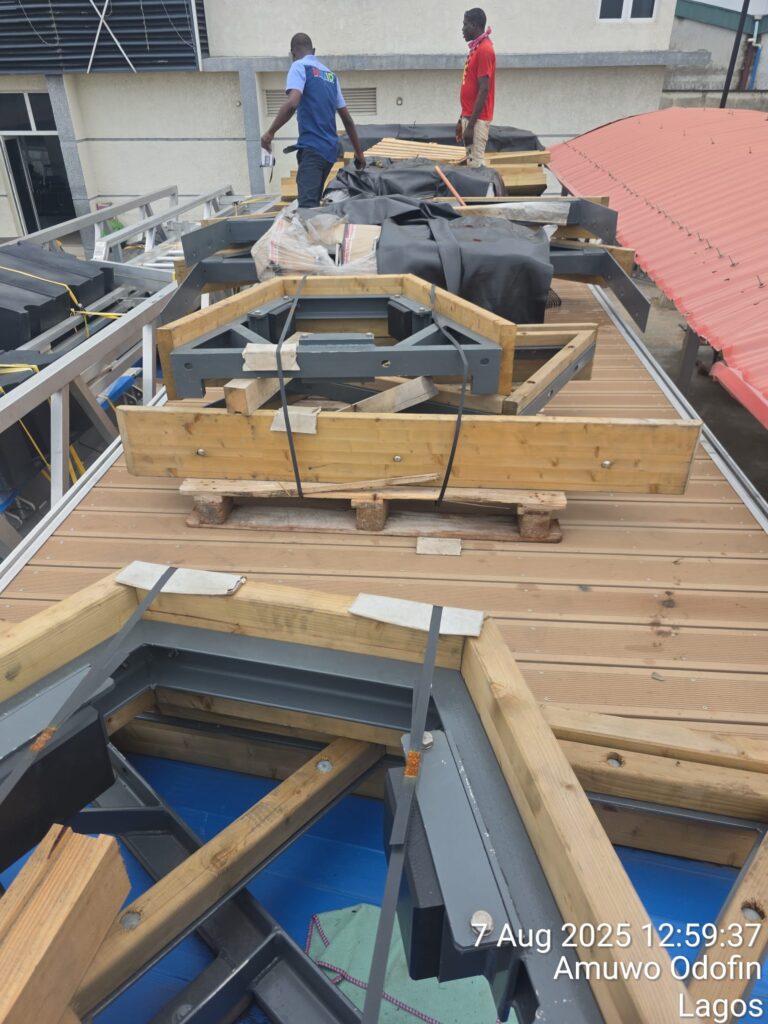
The commissioner also confirmed that the new pontoons being deployed now offer expanded six-sided functionality, enhancing docking efficiency and crowd movement compared to the partial installation currently in use at Falomo Jetty.
The Omi Eko Project will introduce 78 electric ferries, dredge and channelise 15 waterways, expand 25 terminals and integrate digital ticketing through the Cowry Card system for seamless transfers across ferries, buses and the Lagos Metro.
Beyond convenience, the state expects the reforms to cut road congestion, lower emissions and improve climate resilience.
The cabinet member said Lagos is building a world-class waterway system designed to change how residents move, work and connect, stressing that the state remains committed to investing in infrastructure that makes commuting safer, sustainable and globally competitive.