

Society
Lagos Govt Seeks Over N3 Trillion Partnerships To Fight Coastal Erosion
protect vulnerable coastal communities, public infrastructure, and private investments.

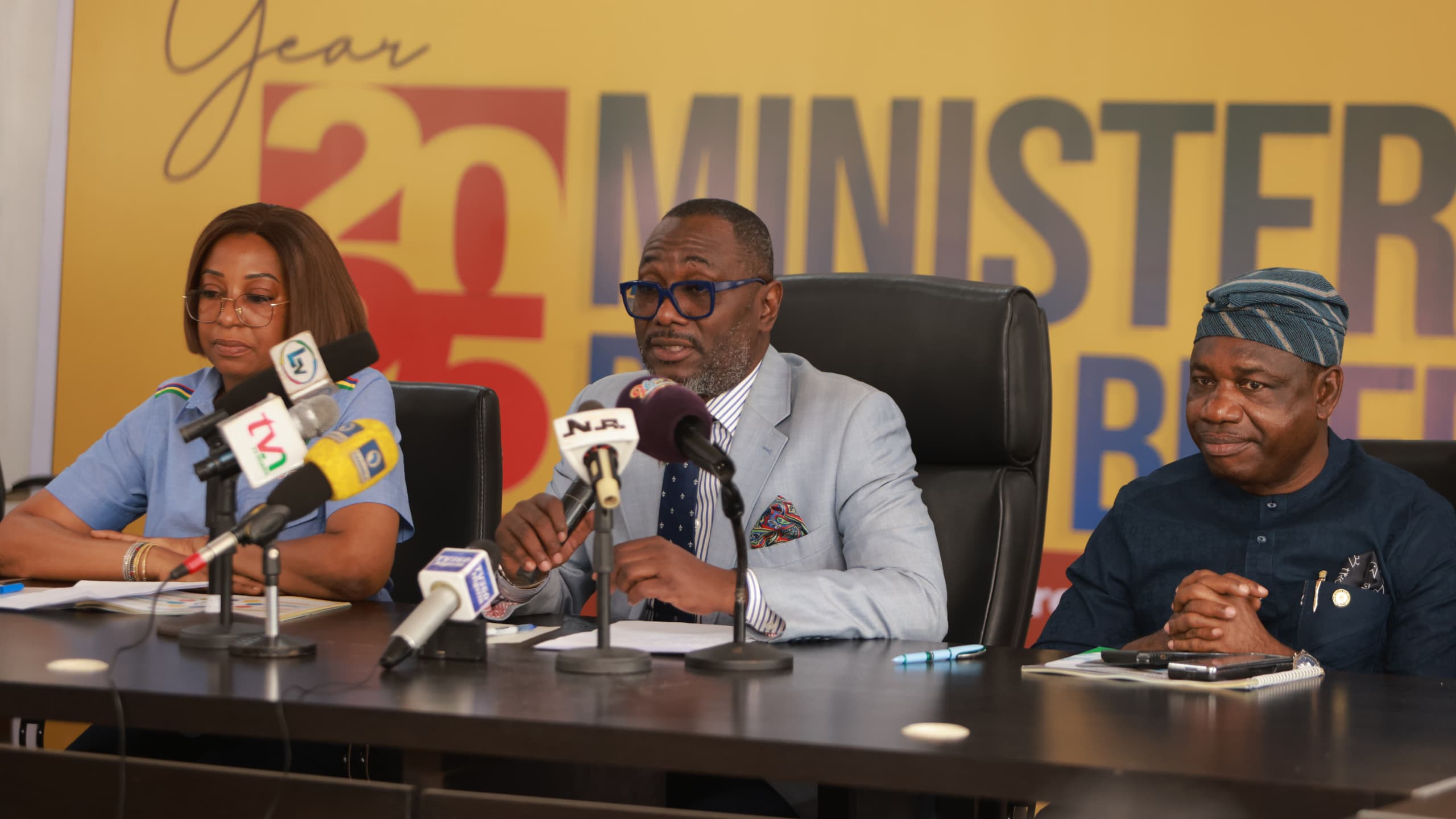
As part of strategic move to contend with intensifying threat of coastal erosion across its 180-kilometre shoreline, the Lagos State Government is seeking over N3 trillion in strategic partnerships to fund a large-scale, long-term intervention that will protect vulnerable coastal communities, public infrastructure, and private investments.
At the 2025 Ministerial Press Briefing held at the State Secretariat in Alausa, the Commissioner for Waterfront Infrastructure Development, Ekundayo Alebiosu, announced the government’s urgent call for collaboration with both the Federal Government and private sector investors.
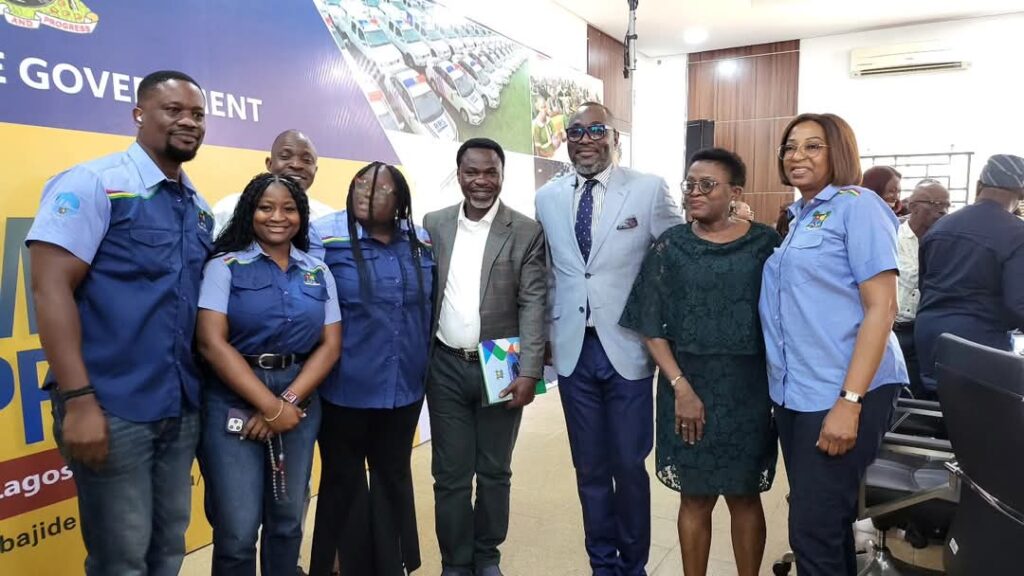
He emphasized that while Lagos has already begun deploying groyne technology to tackle the problem, the scale of intervention required far exceeds what the state can fund alone.
Alebiosu explained that groynes—rigid hydraulic structures extending from the shoreline into the ocean—have proven effective in controlling sediment loss and stabilizing beaches globally, including in countries like the Netherlands. However, deploying this solution along the entire 180km stretch of Lagos coastline would cost over N3 trillion, he said.
“This is not just a Lagos problem—it is a national challenge with economic, environmental, and social implications,” the Commissioner stated. “Protecting our coastline is vital to safeguarding communities, preserving livelihoods, and unlocking the economic value of our waterfronts. To achieve this, strategic partnerships are absolutely essential.”
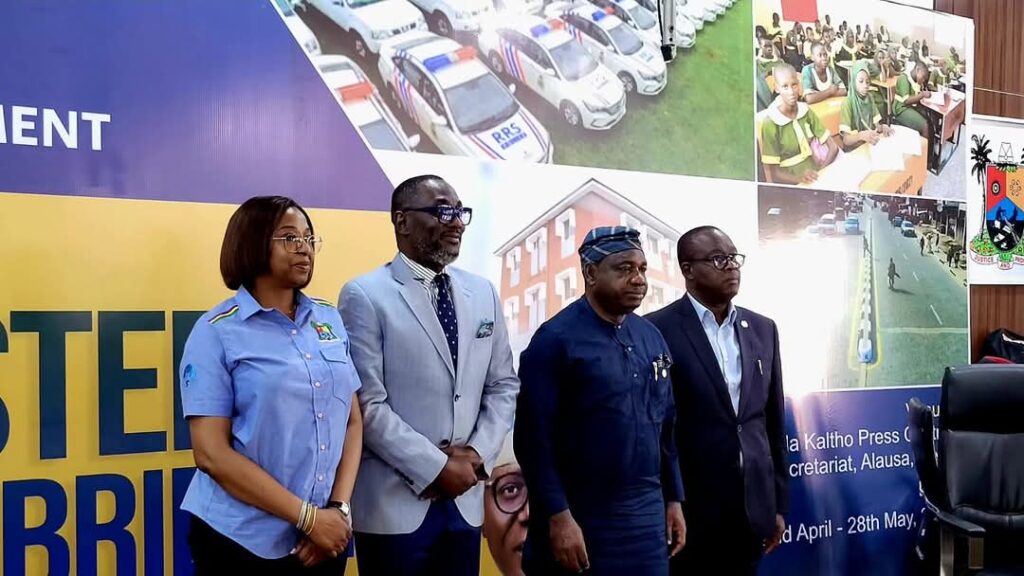
In a move to align Lagos with global best practices, Alebiosu led a high-powered delegation, including Permanent Secretary Mrs. Lolade Aina, on a strategic visit to the Netherlands. There, they studied the Dutch coastal management model, which combines groynes, sand nourishment, and nature-based solutions. He said the visit was not only insightful but also confirmed the viability of adopting a similar integrated approach in Lagos.
“The Dutch experience showed us that coastal erosion can be managed sustainably, but it requires commitment, innovation, and collaborative funding. That’s why we’re activating a Public-Private Partnership (PPP) framework to finance and implement this massive infrastructure project,” he added.
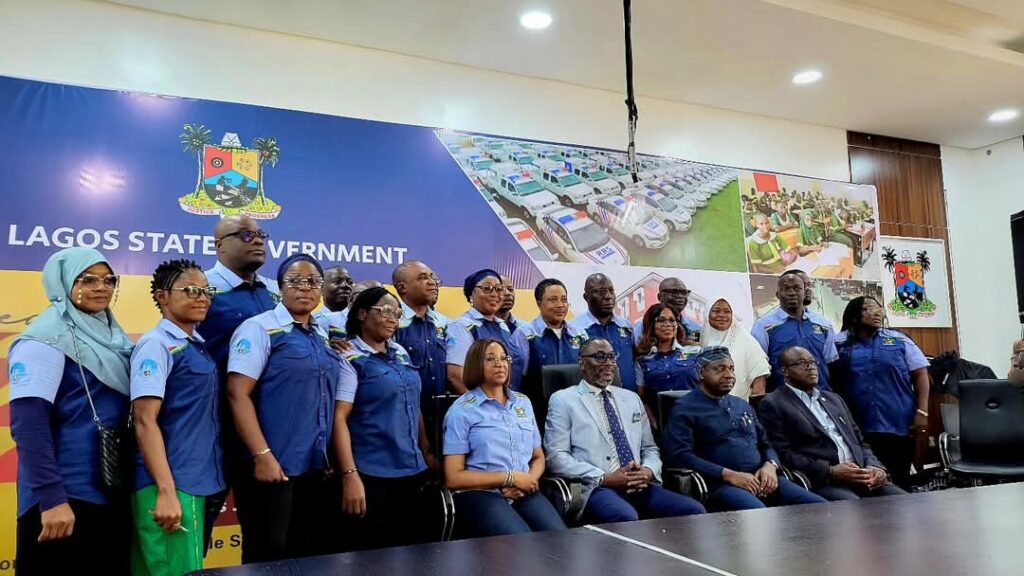
The Commissioner emphasized that Governor Babajide Sanwo-Olu’s administration remains committed to proactive solutions that secure lives and assets while building climate resilience.
He warned that any delay in intervention could result in catastrophic consequences for coastal communities, the environment, and the state’s economy.
“Entire communities are at risk,” Alebiosu cautioned. “We must act decisively. This is why Lagos is reaching out—to federal authorities, private investors, and international development partners—to join hands in delivering solutions that can stand the test of time.”
The Lagos State Ministry of Waterfront Infrastructure Development reaffirmed its commitment to leveraging global expertise and innovative financing models to deliver sustainable, long-term solutions to one of the most pressing environmental challenges facing the state.