

Business
Alarming Reasons Everyone Should Back Nigerian Telcos’ New Tariff
which comes after 12 years

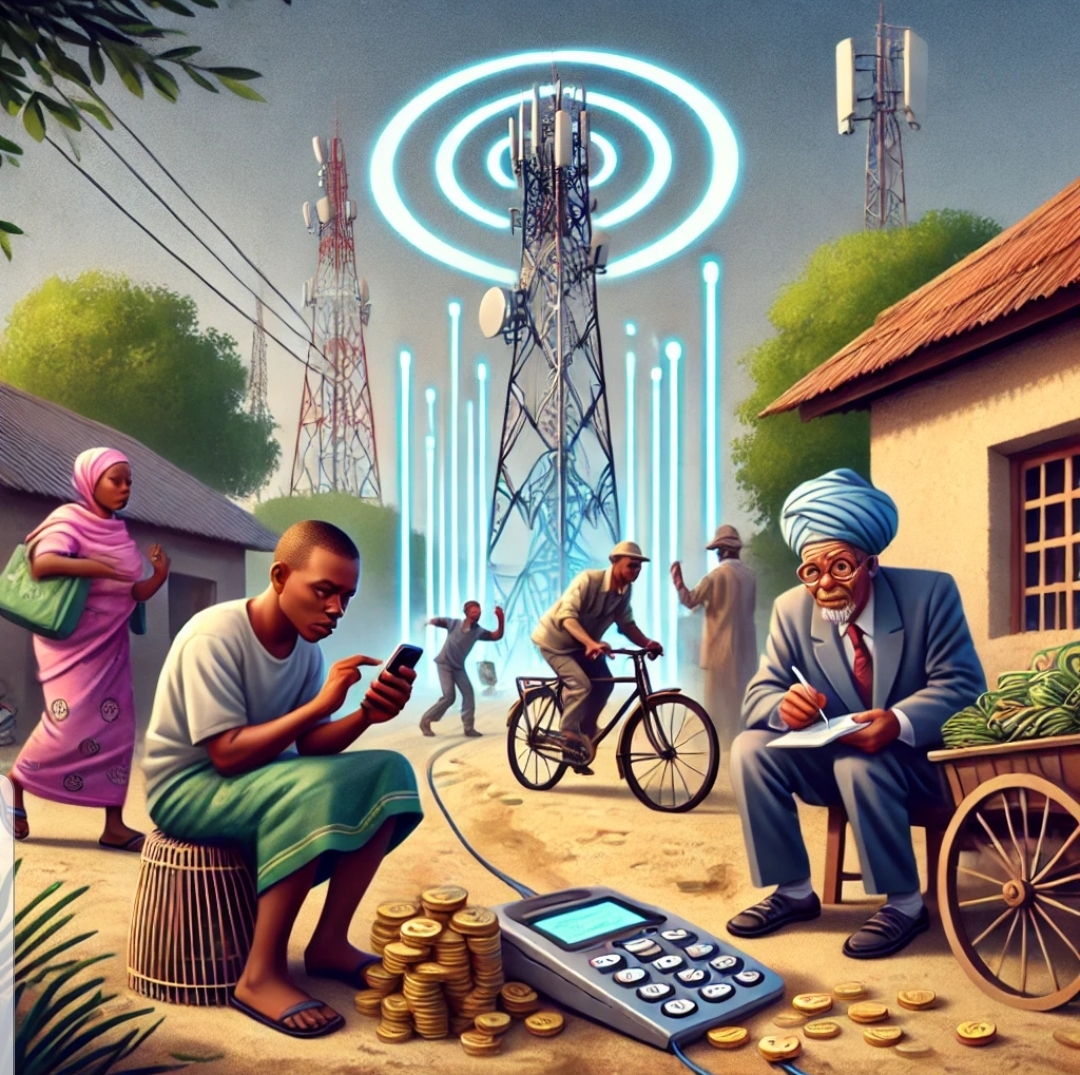
On February 17, telecommunication companies in Nigeria began implementing the approved 50% increase in tariffs.
The price review, which comes after 12 years, was announced in January 2025, with the Minister of Communication, Innovation, and Digital Economy, Bosun Tijani, attributing it to global inflation and rising operational costs.
The telcos, in a united front through the Association of Licensed Telecoms Operators of Nigeria (ALTON), initially requested a 100% tariff increase to match prevailing economic realities, following back-to-back losses exemplified by Airtel’s $89 million net loss in the full financial year 2023/2024 and MTN’s ₦514.9 billion loss in nine months of the same year.
Despite the 50% slash in the proposed 100% tariff that ALTON stressed is needed for sustainable telecom services in Nigeria, the telcos faced pushback from people who do not want to pay more for value—and added value—amid crippling costs.
“And they are not considering the dire, alarming reasons why the reviewed tariff is very important, why everybody should back it. Things that affect every Nigerian, irrespective of social and economic status,” an expert pointed out.
Details made available show that, between them, the big three telcos—MTN, Airtel, and Glo—control over 80% of Nigeria’s telecom market.
“The implication is that a shutdown of the telecom sector or massive disruption would significantly impact the banking sector. For example, there would be widespread USSD failures. Many Nigerians use USSD codes like *737# and others for bank transfers, airtime top-ups, and bill payments. A telecom shutdown would cut off millions of daily transactions. And there are the PoS (Point of Sale) machines and many ATMs (Automated Teller Machines)—they would go off too because they rely on the telcos’ networks. Many businesses and individuals would suffer, especially with the adopted cashless transaction policy that is firmly planted in society,” industry watchers say.
Findings revealed that fintech companies and digital banks would suffer the same fate, along with their clients. Startups like Opay, Kuda, Palmpay, and Moniepoint are not exempt because they rely on these networks for their operations.
More information revealed that a telecom service shutdown would also have severe repercussions for social media, with Nigerian influencers and digital marketers taking a huge hit.
“They rely on stable internet to engage audiences, sustain their operations, and improve their earnings. Platforms like Facebook, Instagram, YouTube, TikTok, and others would suffer massive traffic declines due to internet disruption, with attendant negativity for influencers and digital marketers,” a stakeholder explained.
The chain reaction of a telecom shutdown would spiral into a halt of businesses for e-commerce platforms like Konga and Jumia, as well as vendors on WhatsApp, Instagram, Facebook, and other online channels, cutting them off from clients. Ride-hailing services such as Uber and Bolt, logistics companies, and streaming firms like Netflix and Showmax—along with their subscribers—also fall into this category.
And there are even broader economic and political consequences for the country, according to available information.
“There is stock market volatility, which means banking and telecom stocks could see sell-offs if there is panic over a potential or actual shutdown among investors—which will be bad for foreign investor confidence,” experts point out.
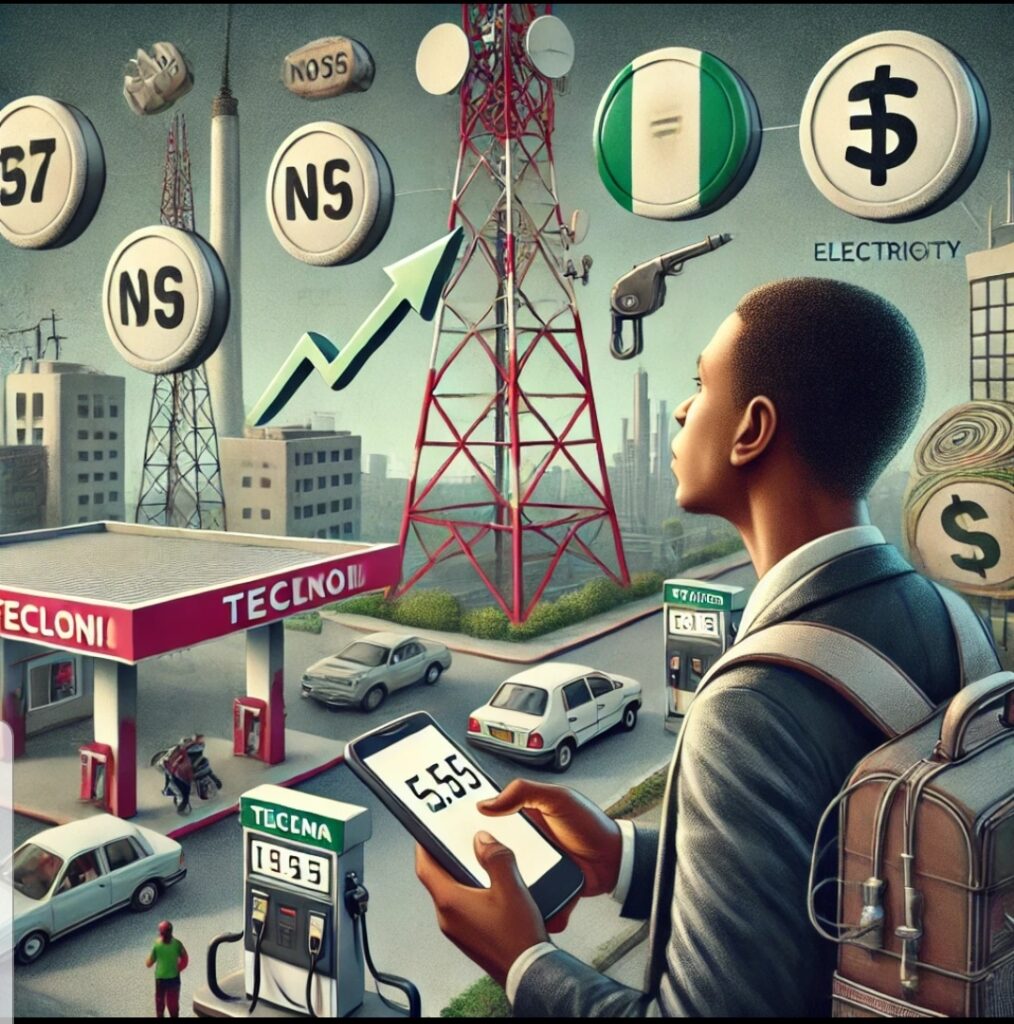
Nigeria is already struggling to attract investors, with President Bola Tinubu at the forefront of an unceasing drive to globally position the country as an investment destination with his “We are open for business” mantra.
A telecom shutdown—or threats of it—would worsen confidence in the nation’s economy, counteracting the efforts of the President and his economic team.
And there is also the political undertone. The preparation for the next general election in 2027 is already underway—a telecom service disruption and the attendant social and economic effects are inevitable contributors to the process “because they are part of performance enumerators, whether we like it or not,” insiders say.
On the other hand, supporting the new tariff adjustment does not only take away the potential grim realities and protect achievements recorded so far but also sparks processes that would result in advancements like 6G and beyond, holographic and extended reality (XR), AI-driven network automation, and edge computing—spreading prosperity across borders with widespread business impacts.