


Society
FRSC Alerts Motorists Over Fake Traffic Offence SMS, Website
being circulated through mobile devices and social media platforms.

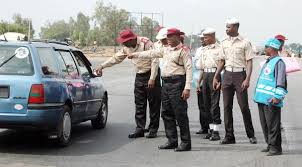
The Federal Road Safety Corps (FRSC) has alerted motorists to fraudulent text messages notifying recipients of alleged new road traffic offences and directing them to a fake website.
The Corps, in a statement signed by its Corps Public Education Officer, Osondu Ohaeri, on Wednesday, said the messages were being circulated through mobile devices and social media platforms.
According to the FRSC, the messages create a sense of urgency by informing recipients that a traffic offence had been recorded against them and asking them to click a link to review the details.
It identified one of the links being circulated as “frscgov.top/ng”, stressing that it had no affiliation with the Corps.
The FRSC said the link was designed to impersonate its digital identity and warned that such fraudulent websites could be used to harvest personal and financial information.
The Corps advised motorists not to click on suspicious links or disclose banking information, passwords, card details, driver’s licence information, vehicle registration details or other personal information in response to unsolicited messages.
“For the avoidance of doubt, motorists are advised to verify any alleged traffic offence directly through official FRSC channels and not through links contained in unsolicited messages,” the statement said.
It said the official FRSC website is www.frsc.gov.ng, while members of the public can also use the Corps’ national toll-free line, 122, to verify information.
The Corps advised anyone who receives the fraudulent messages to preserve the evidence, avoid further engagement with the sender and report the matter through appropriate channels.
The FRSC said it would work with relevant law-enforcement and cybersecurity authorities to pursue appropriate action against individuals behind the impersonation scheme.
The Corps Marshal, Shehu Mohammed, mni, directed that members of the public be adequately sensitised to the scam and urged motorists to remain vigilant in their online engagements.
He called on Nigerians to “STOP. VERIFY. REPORT,” stressing that messages purportedly originating from the Corps should first be verified through its official website and established communication channels.