

Society
95 Fusengbuwa Royals Vie For Awujale Stool — Says Ruling House Chairman, Explains Process
adding that the process is designed to be fair and transparent.

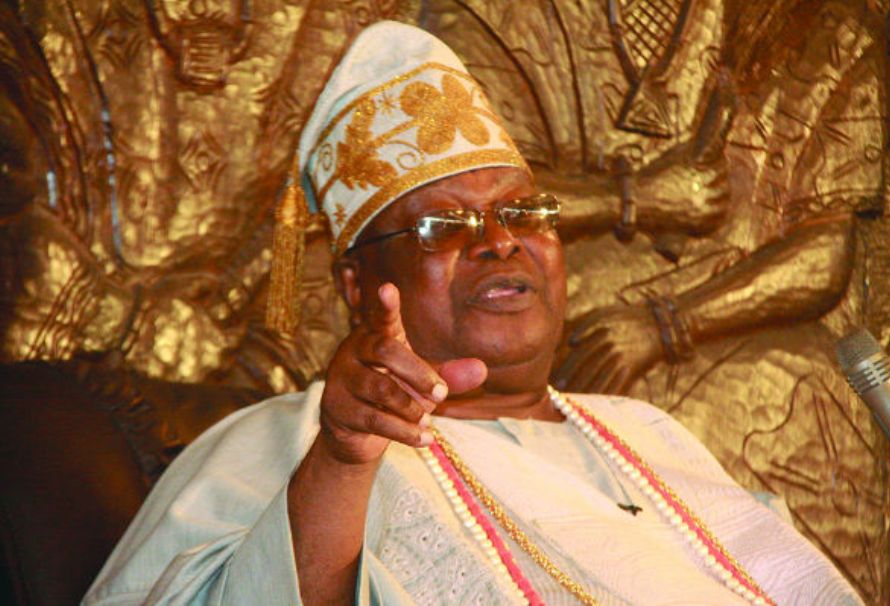
No fewer than 95 royals of the Fusengbuwa Ruling House are currently seeking the Awujale of Ìjẹ̀búland stool, as the ruling house holds its nomination meeting in Ìjẹ̀bú Ode, Ogun State.
The gathering, which began earlier this week, is taking place at Bisi Rodipe Hall, GRA, Ìjẹ̀bú Ode.
The Chairman of the ruling house, Otunba Lateef Owoyemi (Jadiara), disclosed that aspirants who successfully scale the stages of the nomination process will have their names forwarded to the Afobajes, the traditional kingmakers responsible for selecting the next Awujale.
“Once the Afobajes make their selection, the name of the chosen candidate will be forwarded to the Ogun State Government for final approval as the next Awujale,” Otunba Owoyemi said in a report monitored on Ewesonewsonline
He also emphasized that anyone with grievances regarding the exercise should channel them through the appropriate government authorities, adding that the process is designed to be fair and transparent.
“It is important that all concerns are addressed through the proper channels to maintain the integrity of this sacred institution,” he noted in the same report.
The race for the Awujale stool is seen as one of the most significant in recent memory due to the unusually high number of contenders, reflecting the prominence of Ìjẹ̀búland’s traditional monarchy and the prestige associated with the Fusengbuwa Ruling House.
Observers say the nomination process, followed by the selection by the Afobajes and final government approval, underscores the blend of traditional and modern governance practices in Ogun State, ensuring that the next Awujale emerges through a structured and recognized procedure.
As the proceedings continue, attention across Ìjẹ̀búland remains focused on the outcome, with residents and stakeholders eager to witness who will ascend to the revered stool that has historically played a central role in the region’s cultural and political life.