


Society
Modupe Kadri, Ayeni Adekunle, Udeme Ufot & Others Charge Local Enterprises To Elevate Standards
joined MTN Nigeria as part of its anniversary celebration.

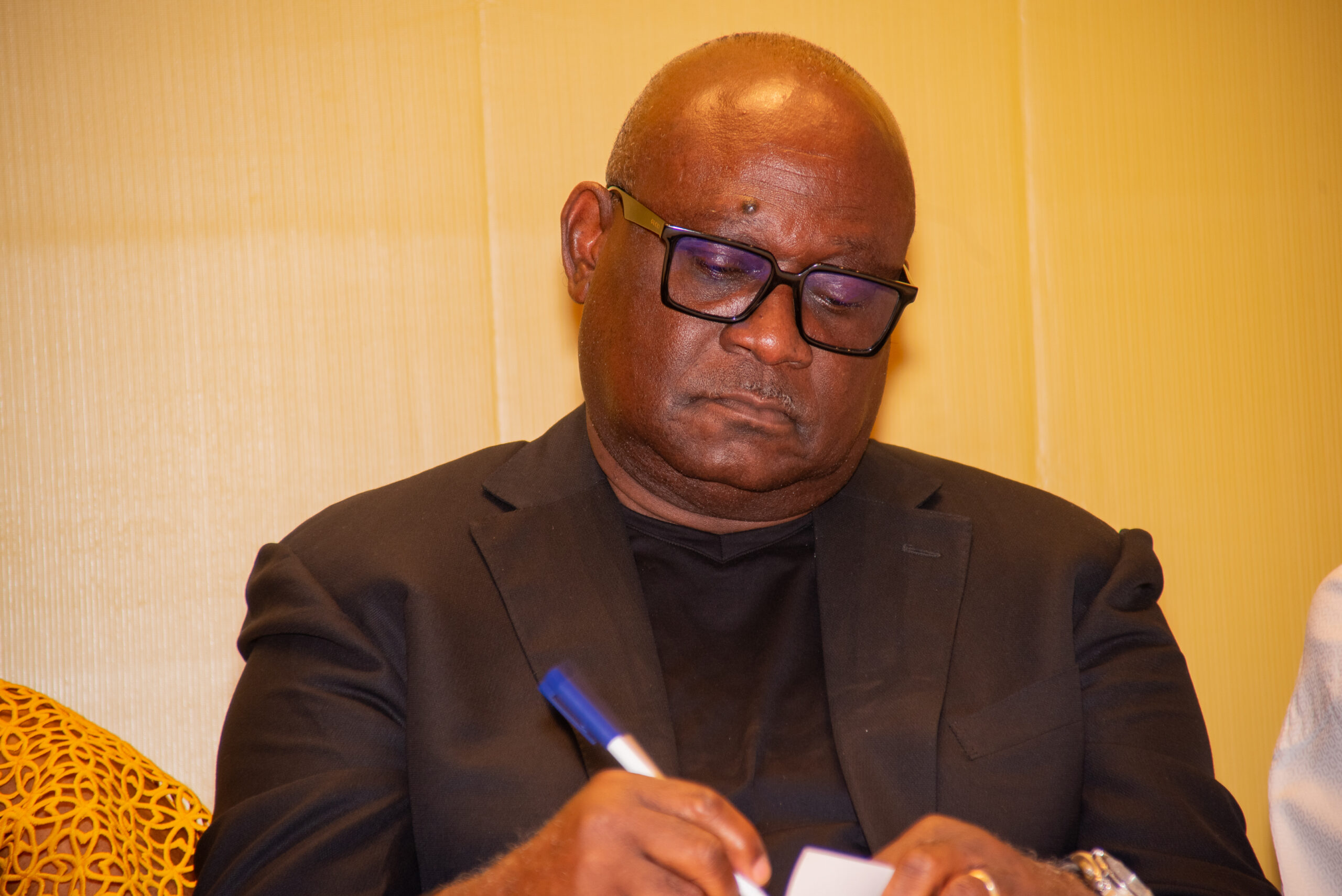
Corporate leaders, industry innovators, and trade policy advocates assembled on Thursday, August 27, 2026, at the Eko Hotel & Suites, Victoria Island, Lagos, for the August Breakfast Forum of the Nigeria-South Africa Chamber of Commerce (NSACC). Modupe Kadri, Chief Financial Officer of MTN Nigeria; Udeme Ufot, Group Managing Director of SO&U; Afolabi Sobande, Group Chief Operating Officer of Computer Warehouse Group (CWG); Yemi Chukwurah, Chief Executive Officer of Seams and Stitches; and Ayeni Adekunle, Founder and CEO of BlackHouse Media (BHM Holdings) joined MTN Nigeria as part of its anniversary celebration.
The high-level gathering evaluated how foreign direct investment and corporate anchor procurement programs have re-engineered domestic supply chains, elevated local governance, and provided a springboard for African enterprises to expand internationally.
Anchoring the discussion on international competitiveness, Ayeni Adekunle, CEO of BHM Holdings, traced his firm’s journey from a domestic agency to an international public relations and technology consultancy operating across London, Ghana, Kenya, Tanzania, and India. Highlighting his vision for African enterprises on the world stage, Ayeni stated:
“Chambers of commerce like this are essential to help us solidify, scale, and take our businesses global. Before I retire, I want to see companies originating from here recognised on the S&P 500 and among the top global brands. I don’t want it to just be American or European or Chinese multinationals dominating; I want to see African companies standing shoulder-to-shoulder with them.”
He urged Nigerian entrepreneurs to continually reinvest capital into core technological capabilities like artificial intelligence, calling on institutions like the NSACC to foster global scale.
In the manufacturing and SME sector, Yemi Chukwurah, CEO of Seams and Stitches, demonstrated how corporate supplier development can catalyse business growth, detailing her enterprise’s growth from a single sewing machine in her dining room to employing over 150 permanent tailors.
Chukwurah recalled how adherence to strict multinational standards unlocked international opportunities, noting that when visiting American trade delegates inspected her production lines, ‘the quality is the same thing as theirs,’ paving the way for garment exports directly to the United States and global bodies like the United Nations. Expressing appreciation for structured local procurement, Chukwurah declared: “When you talk about local content and growing suppliers, I don’t know any other company that has done that like MTN Nigeria.”
Analysing the broader impact on domestic business standards, Udeme Ufot, Group Managing Director of SO&U, described major corporate clients as an ‘open university for standard and growth’ that raised accountability and governance across the entire business ecosystem. Ufot said: “MTN has come to help you to raise your business game to world-class standards; a game that demands that you can play anywhere in the world.’’
Reflecting on the evolution of Nigeria’s technology ecosystem, Afolabi Sobande, Group COO of Computer Warehouse Group, illustrated how multinational expansion helped shift local information technology companies from basic equipment vendors into full-scale enterprise solution providers. Sobande recounted: Between 1992 and 2001, CWG was primarily a project-based company focused on pushing hardware boxes and supplying basic equipment. The arrival of telecom giants provided us with an invaluable opportunity to manage complex infrastructure, data centers, and advanced technology, an operational experience that money simply cannot buy.”
Reaffirming these perspectives, MTN Nigeria CFO Modupe Kadri and the speakers stressed that intentional local procurement, operational discipline, and sustained cross-border trade frameworks remain critical to Africa’s economic trajectory. As the forum concluded, the NSACC leadership reiterated its commitment to facilitating commercial synergies between Nigeria and South Africa, ensuring homegrown enterprises continue to build the institutional capacity required to lead globally.