


Entertainment
What Party Jollof And Highland Park Whisky Have In Common

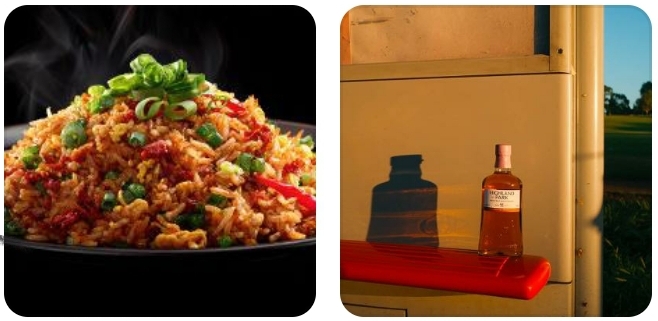
There is a particular argument that can divide a Nigerian party table: what makes the jollof rice taste so good? Is it the pepper blend, the seasoning, the stock, or that smoky flavour at the bottom of the pot? Suya raises the same question too: Is it the yaji, the cut of beef, or the smoke curling off the coals that makes that first bite so good?
Now take that idea from a Nigerian kitchen to Orkney, a group of islands off Scotland’s northern coast. For Highland Park, the story of flavour begins not with a pot or a grill, but with heather-covered moorland and the peat formed beneath it. The connection might seem distant from the food you know, yet it rests on a familiar idea: the source of smoke can make a difference to flavour.
Highland Park sources its peat from Hobbister Moor, a short distance from its distillery in Kirkwall, and it is the only distillery in the world to use this particular peat. Peat forms over thousands of years as plant material accumulates in waterlogged ground and decomposes slowly. The heather growing across Orkney’s moorland contributes to the character of this peat, which Highland Park burns in traditional kilns to smoke its malted barley. The smoking happens at the malting stage, well before distillation, but it helps shape the aroma of the whisky from the very start.
The distinction lies in the kind of smoke produced. Highland Park attributes the floral aromas and subtle, aromatic smokiness of its single malt to Orkney’s heathered peat. Think of the difference between the charcoal smoke clinging to suya straight off the grill and the smoky bottom of a pot of party jollof. Both can be inviting, but they are not the same. The comparison is not a claim that the processes are identical; it is a way to understand why smoke does not always produce one uniform flavour.
Highland Park’s use of Orkney heathered peat is central to that distinction. Its location matters because the vegetation, the peat and the traditional kilning process come together in a way that gives Highland Park its recognisable, subtly smoky character. The flavour is not created by smoke alone, but smoke is one of the elements that sets the whisky apart.
So, the next time you debate what gives party jollof its unmistakable smoky taste or catch the aroma of suya coming off the grill, consider this: if the source of smoke can change the character of your food, what might it do to a whisky? For Highland Park, the answer begins in the heather-covered landscape of Orkney.
