

Society
15 Things Nigerians Do Every Day That Depend On Telecoms
15 routine activities stand out.


Telecommunications has become embedded in everyday economic and social activity, supporting everything from phone calls and financial transactions to commerce, education, remote work and access to public services.
The scale of that dependence is reflected in Nigerian Communications Commission (NCC) data. Nigeria had 157.27 million active GSM subscriptions and 124.42 million broadband subscriptions in July 2026, while monthly internet usage reached 1.66 million terabytes.
Against that background, 15 routine activities stand out.
…Making calls and sending messages
Voice calls, SMS and internet messaging enable families, employees, customers and businesses to communicate. They depend on mobile access networks, transmission links, fibre backhaul, switching infrastructure and power.
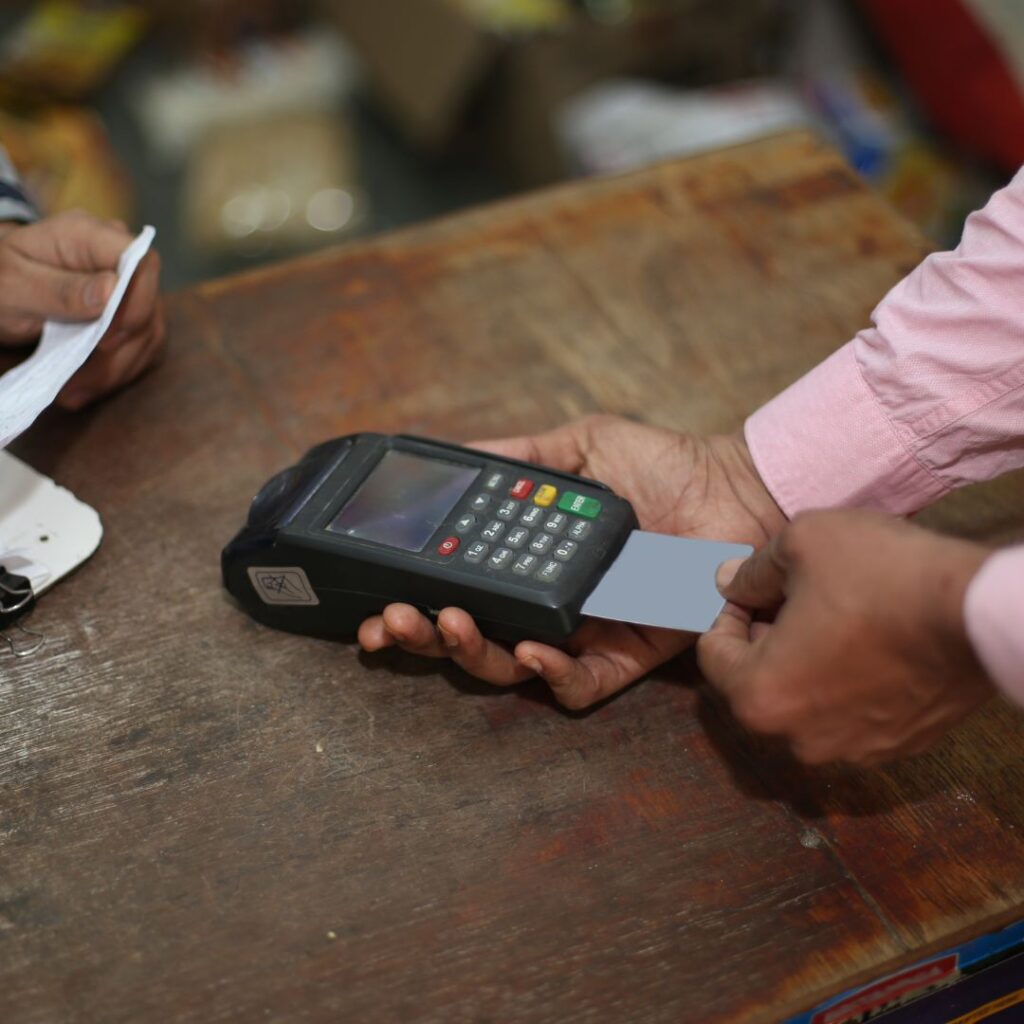
… Paying with POS terminals
POS payments have become a routine part of retail and agent banking. NIBSS data showed that POS transactions were worth ₦18.78 trillion in Q1 2026, up 79.03 per cent from ₦10.49 trillion in Q1 2025. Monthly values were ₦6.08 trillion in January, ₦6.58 trillion in February and ₦6.12 trillion in March. NIBSS also reported 5.56 million deployed POS terminals at the end of 2024.
POS terminals require connectivity to communicate with payment platforms, although individual transactions can depend on different network and payment infrastructures.
…Transferring money and checking bank accounts
Mobile banking applications, USSD and other electronic channels allow customers to transfer funds, check balances, pay bills and receive payments. USSD does not require mobile data but still depends on a functioning mobile network.
…Selling through WhatsApp and social media
Small businesses use mobile internet to display products, receive enquiries, negotiate prices, take orders and maintain customer relationships.
…Booking rides and deliveries
Ride-hailing and dispatch services use mobile connectivity for bookings, driver-rider communication, location updates and delivery coordination.

…Attending online classes
Students access lessons, digital materials, examinations, tutorials and teacher communications through broadband and mobile networks. The NCC recorded 124.42 million broadband subscriptions in July 2026.
…Working remotely
Employees and professionals use broadband for email, video meetings, cloud applications, file transfers and collaboration with colleagues and clients in Nigeria and abroad.
… Keeping in touch with family
Voice calls, video calls, messaging applications and social platforms enable Nigerians living in different cities, states and countries to maintain regular contact.
… Accessing healthcare services
Connectivity supports appointment systems, teleconsultation, digital records, communication between facilities and access to health information. The extent of digital deployment varies among healthcare facilities.
… Checking information for farming and trading
Farmers and traders can use mobile services to obtain weather information, market information, farming advice and contacts with buyers and suppliers, where such services are available.
… Navigating and coordinating journeys
Digital maps, location sharing, traffic information and transport applications use connected devices to provide live or updated information.
…Accessing government information and services
Government websites, digital applications and online portals allow citizens to obtain information, submit applications and monitor some public services without physical visits.

… Buying airtime and data
Airtime and data purchases are increasingly completed through banking applications, USSD, operator platforms and other digital channels, linking telecommunications with the wider electronic-payment ecosystem.
… Receiving and distributing news
News organisations, journalists and citizens depend on connectivity to publish reports, receive alerts, contact sources, transmit material and access information in real time.
… Calling for assistance and coordinating emergencies
Voice networks and mobile connectivity provide channels for contacting relatives, emergency services and other responders, while connected systems support coordination by organisations responsible for public safety.
The increasing use of these services is accompanied by growing pressure on the physical infrastructure carrying them. NCC data show internet usage rose from 1.13 million terabytes in July 2025 to 1.66 million terabytes in July 2026.
The infrastructure itself is also vulnerable. The NCC disclosed in August that more than 5,000 fibre-cut incidents were recorded between January and June 2026, linked to road construction, excavation and related civil works.
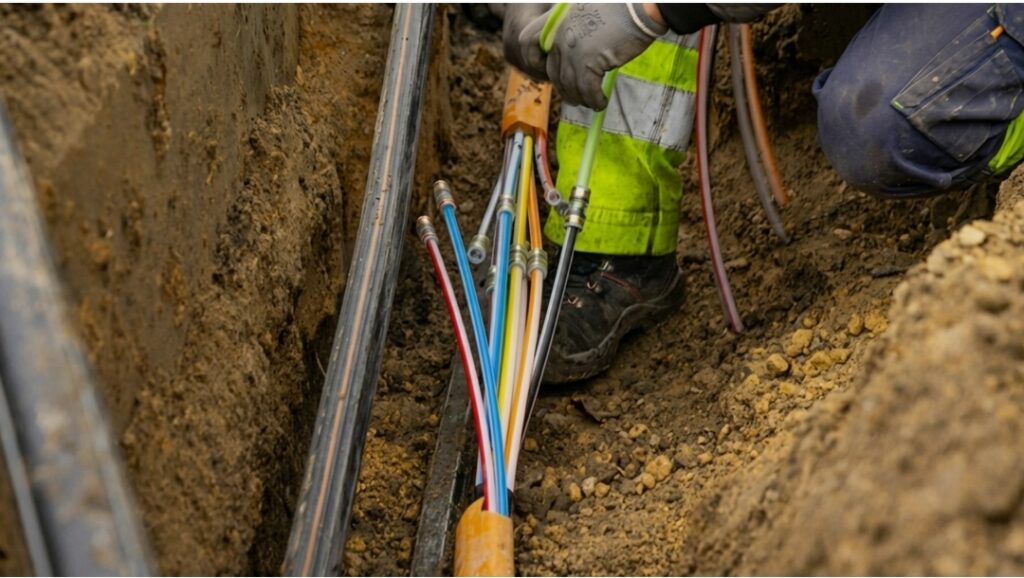
The commission said telecommunications infrastructure has been designated Critical National Information Infrastructure and warned that fibre damage can disrupt banking, government services, education, healthcare, commerce, security and emergency communications.
The scale of individual operators’ infrastructure illustrates the investment required to sustain this connectivity. MTN Nigeria, one of the country’s major telecommunications operators, says it covers more than 93 per cent of the population, has more than 80.9 million mobile subscribers and operates more than 43,000 kilometres of fibre. It also says its network facilitates more than 25.7 billion financial transactions through USSD.
MTN’s reported capital investment exceeded ₦1 trillion, while its sustainability reporting also records ₦878.7 billion in taxes, levies and duties and ₦2.2 trillion in local procurement spending.
The investment extends beyond towers and fibre. Network capacity, spectrum, transmission, power systems and other infrastructure have to expand as data consumption and digital services grow.
The NCC has consequently called for greater coordination between telecom operators, road contractors, government agencies, regulators and security agencies to prevent infrastructure damage. It said a single fibre cut can affect services over a much wider area, depending on the location and network configuration.
Protecting telecom infrastructure therefore affects more than telecommunications companies, It protects the connectivity behind payments, businesses, education, healthcare, public services and everyday communication according to experts.
For road construction and other excavation work, the NCC has called for advance coordination and preventive measures around fibre routes. Telecommunications infrastructure is now part of the infrastructure that supports Nigeria’s economic and social activity, making its protection relevant to operators, contractors, government agencies, security institutions and the public.